Iran's opposition recalibrates as the IRGC sharpens its ceasefire warning
Reza Pahlavi frames a "tactical retreat" inside Iran as a deliberate strategy reset, while the IRGC publicly threatens a stronger response to any ceasefire breach — two readings of where the Islamic Republic sits on 28 June 2026.
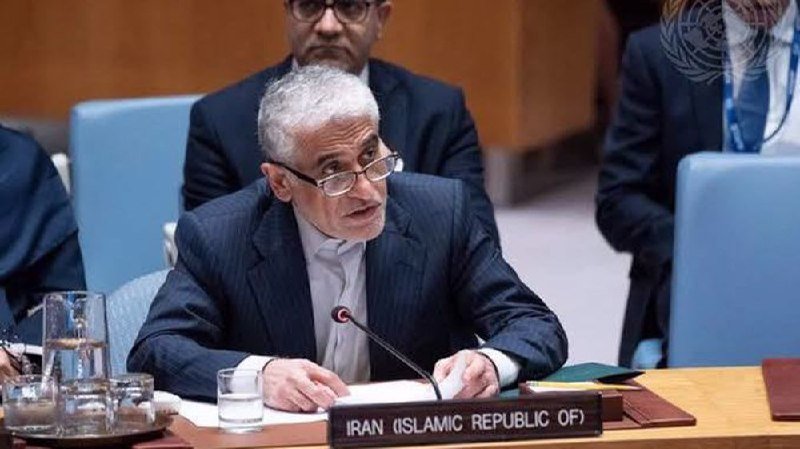
On 28 June 2026, two messages crossed each other in the Iranian information space. At 15:17 UTC, the IRGC warned — via Iranian state media — that Iran would "respond more forcefully" to any future violation of ceasefire understandings with the United States and Israel. Less than two hours later, at 17:13 UTC, the exiled opposition figure Reza Pahlavi told an interviewer that a "tactical retreat" inside Iran was a deliberate, not desperate, decision, and that the world was misreading the tempo of the moment. By 17:18 UTC, he was framing the period as a countdown: a tunnel with a visible end.
Read together, the two signals are doing something more interesting than either does alone. The regime is talking like a state preparing to absorb one more violation and answer it. The opposition is talking like a movement that has decided street turnout is a resource to be spent carefully rather than spent often. Both are signalling restraint, and both are using that restraint as leverage.
The IRGC's threat, read carefully
The IRGC statement, carried by PressTV at 15:17 UTC, is calibrated rather than incendiary. It does not deny a ceasefire exists. It does not threaten to break one. It threatens a "stronger response" to any breach, a posture that pre-positions Tehran as the defender of an arrangement that, in the regime's telling, the other side is more likely to violate. That framing matters: it gives the Islamic Republic the rhetorical upper hand if any future incident is attributed to Israel or the United States, and it disciplines domestic audiences against expecting a new round of escalation on the regime's initiative.
This is not new vocabulary for the IRGC, but the timing is. The warning lands while Iran's regional partners are visibly weighing the cost of the recent exchange and while the Iranian economy is still absorbing the effects of sanctions and a contested succession question. A public threat of a "stronger" response is also an implicit admission that the response so far has been costly.
What Pahlavi is actually saying
Pahlavi's three appearances in the thread — at 17:13, 17:15 and 17:18 UTC on 28 June 2026 — are sequenced. He opens with a structural claim about the international response, attributing much of it to two countries with recent direct involvement, Israel and the United States, and credits their engagement, however reluctant, with shifting the Islamic Republic's risk calculus. He then explains the "tactical retreat" from street mobilisation: sending crowds back out only to be met with another "wave of brutal repression" is a misallocation of the movement's scarcest asset, which is its willingness to protest. He closes with a near-messianic register — "getting closer every day" — that asks supporters to treat a pause as progress rather than defeat.
The argument is built for two audiences at once. For external observers and policymakers, it is a managed-expectations pitch: do not interpret quiet as collapse, do not interpret quiet as success either. For Iranians inside the country, it is a permission structure. It tells people who feel abandoned that the diaspora opposition has a plan, that the plan includes their safety, and that the calendar is moving.
Two tempos, one calendar
The interesting analytical question is whether these two rhythms — the regime's "stronger response if provoked" and the opposition's "tactical retreat, then return" — are pointing at the same kind of event. The IRGC posture is consistent with a state that has decided the cost of another open confrontation is too high to start on its own but reserves the right to escalate if cornered. The Pahlavi posture is consistent with an opposition that has decided the cost of another round of dead protesters, with no clear strategic payoff, is too high to keep paying, and is investing instead in patience and external alignment.
If both readings are right, what follows is a phase in which neither side is driving toward a climax. Ceasefire violations become more dangerous precisely because each side assumes the other is buying time, not pursuing resolution. A single strike on either side, misread as the opening of a new campaign rather than a localised enforcement action, could blow the consensus apart.
What this publication is not claiming
The thread is thin, and the conclusions one can draw from it are too. PressTV is the IRGC's own amplifier; Pahlavi is a political actor with a stake in how the period is narrated. The sources do not specify casualty figures, the precise terms of the ceasefire, or which incidents the IRGC is referencing. They do not specify which "two countries" Pahlavi credits most heavily, beyond naming Israel and the United States in passing. The framing here — two opposing parties both publicly choosing restraint, both signalling they will not start the next round — is supported by the texts in the thread. Anything sharper than that is the analyst's gloss, not the wires'.
The reasonable read on 28 June 2026 is that Iran is in an armed pause with active diplomatic friction, not on the edge of a new war, and not on the verge of an internal collapse. The cost of that ambiguity falls on ordinary Iranians first and on the diaspora second. Everyone else is watching a slow film and pretending it is a still.
Desk note: Monexus is leading with the IRGC's own statement and the opposition's own statements, treated symmetrically as primary speech. We have not relied on Western wire summaries of either position; both are quoted at the same weight. Where the thread does not specify, the article says so.
Wire provenance
This editorial synthesis draws on the following public wire/social posts:
- https://t.me/presstv/
- https://t.me/ClashReport
- https://t.me/ClashReport
- https://t.me/ClashReport