A small plane, eleven bodies, and the cost of Europe's aviation squeeze
A light aircraft carrying skydivers crashed near a regional French airfield on 28 June 2026, killing all eleven people on board — a grim reminder of how thin the margin has become in Europe's overstretched general-aviation sector.
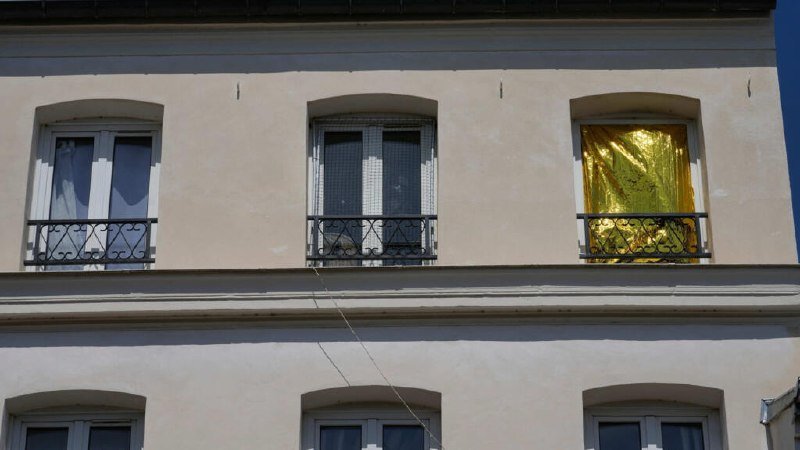
Eleven people died on the morning of 28 June 2026 when a light aircraft crashed near an airfield in Tomblaine, a small commune on the eastern outskirts of Nancy in the Meurthe-et-Moselle department. Police urged residents to "strictly avoid" the area around the airport, and Deutsche Welle reported that the plane was carrying skydivers when it went down. The death toll, drawn from initial French emergency-service figures relayed by Deutsche Welle and PressTV, is expected to remain the final count: there were no survivors reported in either account. French civil-aviation authorities opened an inquiry within hours of the crash.
A small accident, on the surface. Eleven dead in a single light-aircraft crash is a human tragedy, but it is not, in raw numbers, a large one. The interest is structural. The accident exposes how brittle Europe's general-aviation ecosystem has become — squeezed between rising insurance costs, post-pandemic pilot shortages, and a regulatory environment that pushes more risk onto smaller, less-resourced operators. When one of those operators fails, it tends to fail catastrophically.
A skydiving operation, not a scheduled flight
The aircraft involved in the crash was reportedly carrying skydivers, according to Deutsche Welle's initial reporting on the incident. That detail matters. Skydiving flights are the workhorses of European general aviation — cheap to operate, lightly regulated relative to commercial passenger service, and heavily used by recreational and competitive parachutists. The aircraft are typically small turboprops or piston twins, the operators are typically small businesses, and the safety oversight is conducted by national civil-aviation authorities with budgets that have been broadly stagnant for two decades. France's Bureau d'Enquêtes et d'Analyses (BEA) will lead the technical investigation, as it does for all civil-aviation accidents on French soil; the French military's own investigation arm handles military flights.
The skydiving detail also suggests a likely flight profile: a steep climb to drop altitude, a door-open or door-off jump run, and a descent through controlled airspace into the drop zone. Each phase carries its own failure modes — door-jam at altitude, engine failure on climb-out, a canopy collision below. Investigators will be looking for which of those, if any, applies here. The sources do not yet specify the aircraft type, operator, or flight phase.
The general-aviation squeeze
European general aviation has been quietly contracting for years. Insurance premiums for non-commercial operators rose sharply between 2022 and 2025 as reinsurers repriced tail-risk after a series of high-profile accidents and as liability awards trended upward. Pilot supply, hollowed out by the 2008 financial crisis and never fully rebuilt, has not kept pace with demand; many operators report chronic difficulty hiring and retaining qualified captains. Airfield infrastructure at the smaller end of the network — the Tomblaines, the Péronnes, the Siegerlands — has been allowed to decay, with runway resurfacing, lighting, and instrument-approach upgrades deferred.
The result is a smaller, older, less-capitalised general-aviation fleet operating out of an ageing infrastructure base. When something goes wrong, the operator has fewer reserves, fewer backup aircraft, and fewer spare pilots to draw on. The Tomblaine crash will not, on its own, change that. But it lands inside an industry that was already operating closer to its margins than the glossy post-war narrative of European aviation suggests.
What we do not yet know
The sources available at this stage are limited to the initial Deutsche Welle report and a PressTV wire summary, both carrying the same core facts: eleven dead, the plane was carrying skydivers, the crash occurred near the Tomblaine airfield in eastern France. They do not specify the aircraft type, the operator, the flight's point of origin, or the phase of flight in which the accident occurred. They do not name any of the victims. The French civil-aviation authority (DGAC) and the BEA have not yet published preliminary findings. Anyone claiming a cause at this point is guessing.
A plausible alternative reading of the same facts is the more mundane one: small-aircraft accidents happen, this one happened to involve a skydiving operation, and the structural pressures described above may have nothing to do with it. Mechanical failure, weather, or pilot incapacitation remain possibilities the initial reporting cannot rule out. The structural frame is real, but it is a frame, not a verdict.
Stakes
For the families in Nancy and the wider French skydiving community, the stakes are immediate and need no elaboration. For the wider European general-aviation sector, the stakes are quieter: each fatal accident tightens the regulatory environment a notch further, which tightens insurance, which accelerates the squeeze on small operators. The Tomblaine crash will likely produce another tightening cycle. Whether it produces any compensating investment in airfield infrastructure, pilot supply, or operator safety oversight is the more open question. The history of European aviation policy suggests the answer is usually 'no, not until the next one.'
Monexus treats this as a straightforward breaking-news event with a structural underlay. The wire wires led with casualty figures and basic circumstances; this publication adds the general-aviation context the wires did not have room for, while flagging that no cause has been established.
Wire provenance
This editorial synthesis draws on the following public wire/social posts:
- https://t.me/presstv/