Washington's Venezuela calculus: aid without recognition
A $150 million US aid package lands in a country from which Washington has confiscated and frozen more than $35 billion. A Polymarket contract is now pricing whether recognition follows.
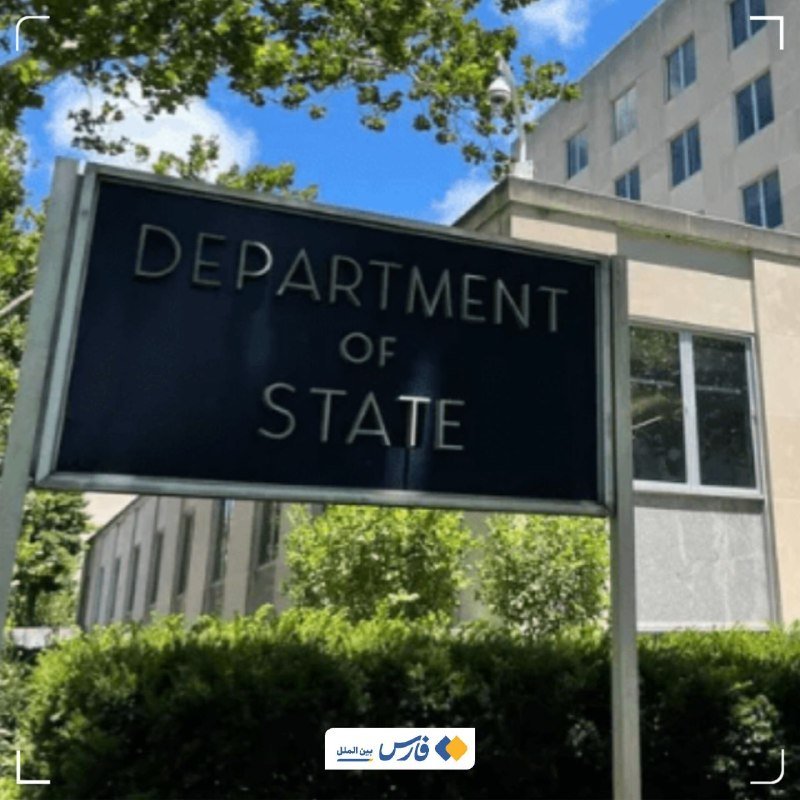
On 25 June, the US State Department announced roughly $150 million in humanitarian assistance for Venezuela, routed through the UN and NGO partners, citing devastation from twin earthquakes earlier in the month that aid workers say has left water systems in ruins and disease outbreaks a live fear. The package lands in a country from which Washington confiscated an estimated $5.49 billion in oil revenues last year alone, with another $30 billion in Venezuelan state assets frozen in earlier enforcement actions. That ratio, $150 million in aid against more than $35 billion in seized and frozen funds, is the line Venezuela's opposition benches, the Caracas diaspora on X, and at least one Polymarket contract are now running on. As of 28 June, the question Washington has not answered is whether this is relief, or a down payment on something quieter: a managed transition that does not require the word "recognition" attached to it.
The humanitarian case for the package is real and time-stamped. The New York Times reported on 30 June that health workers in affected areas are bracing for cholera and other waterborne illness after the quakes destroyed infrastructure that was already patchy. Aid groups on the ground say clean water access collapsed in the worst-hit municipalities, and the UN system has been the principal delivery channel. On the merits, the $150 million is a meaningful surge into a strained pipeline, and the State Department's decision to channel the money through multilateral and NGO vehicles rather than bilateral state institutions is the right one given that the US does not recognise the Maduro government.
The political arithmetic is harder to defend. A widely circulated X thread from the @sprinterpress account on 30 June laid out the math bluntly: $5.49 billion confiscated from Venezuelan oil sales in 2025, roughly $30 billion in earlier frozen assets, and now a $150 million aid offer. The author's word was "mockery." That framing is partisan but the underlying numbers trace back to years of US enforcement actions against Venezuelan state oil flows, sanctions enforcement on third-country buyers, and asset freezes tied to corruption and narco-trafficking designations. Even granting that the confiscated and frozen totals include sums owed to private creditors, bondholders, and court-ordered judgments rather than sitting in a US Treasury account, the optical problem persists: a creditor posture and a donor posture, run by the same government, in the same country, in the same quarter.
The market is already pricing the next question. A Polymarket contract flagged on 28 June is offering traders a venue to express a probability that the US formally recognises the Venezuelan government by year-end. The implied odds are non-trivial, in the low double digits, which is a notable move from where similar contracts sat a year ago when recognition was treated as a tail risk. Prediction markets are not a verdict. They are a thermometer for how seriously informed speculators take a scenario, and the current reading is that a meaningful slice of the policy and trading community sees the aid package as a potential hinge point rather than a one-off humanitarian gesture.
What Washington appears to be buying, if the reading is right, is optionality. A relief package delivered through UN channels costs relatively little, builds a delivery footprint inside Venezuela that the US does not officially have, and creates the conditions for a later normalisation without requiring a single dramatic recognition announcement. The template is familiar from the Cuba track of the mid-2010s and from earlier humanitarian carve-outs in sanctioned jurisdictions: aid first, financial engagement second, political language last. The Caracas opposition's complaint, articulated in pieces like the @sprinterpress thread, is that this sequence rewards the very government whose extraction the $35 billion was nominally meant to deter.
The near-term watch items are concrete. The UN country team's flash appeal needs to clear its funding gap, which on current pledges remains material. The Maduro government's posture toward the US aid channel is the signal that will tell outside observers whether Caracas reads this as an opening or a trap, and on 28 June the public messaging from Miraflores has been muted rather than celebratory. And the Polymarket contract will move on any senior US official, or any senior Maduro-aligned figure, using language that closes the gap between "humanitarian engagement" and "engagement." Those three data points, delivery numbers, Caracas's read, and the contract's implied probability, will tell us in July whether Washington's Venezuela calculus is what the State Department says it is, or what the diaspora on X says it is.