England face DR Congo as last-32 takes shape: what the World Cup group stage left behind
England meet DR Congo in the last-32 as the World Cup group stage closes, with BBC and ESPN reporters weighing the standout performers, surprise runs, and the bracket questions that will define the knockout rounds.
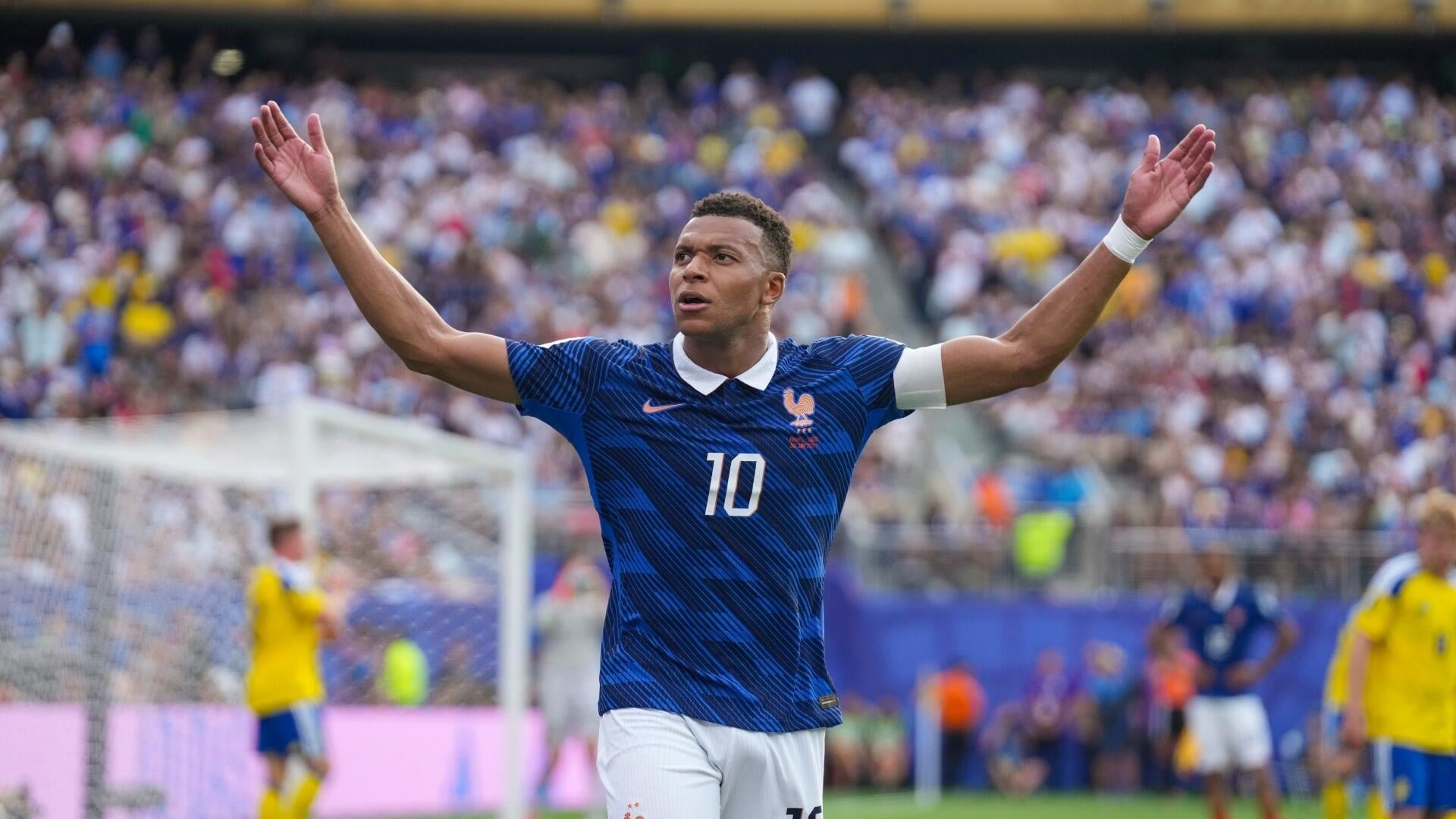
England will face DR Congo in the last-32 of the 2026 World Cup, with the fixture scheduled for live broadcast on BBC One and BBC iPlayer on 29 June 2026, BBC Sport confirmed on 28 June. All sixteen first knockout-round ties will be carried across the BBC's platforms, making this the most distributed World Cup knockout bracket the broadcaster has ever staged in this country.
The fixture is the easy headline, but it does not tell you what the group stage actually meant. Three weeks of play across North American venues have produced a list of overachievers, a handful of superstars back in form, and a set of last-32 matchups — most of them tilted — that the bracket would rather keep quiet about.
A group stage that ran long on storylines
Gab Marcotti's Best XI of the group stage, published on 28 June, leans heavily on the players who turned matches rather than the ones who simply collected clean sheets. The selection reflects a tournament that has rewarded decisive moments: late goals, set-piece execution, goalkeeping in tight games. Underdogs, in Marcotti's telling, have earned places in the conversation rather than cameo spots.
BBC Sport's group-stage review, also on 28 June, frames the same period less as a parade of favourites and more as a referendum on squad depth. The reporters' picks for best team, best match, best moment and best player diverge sharply — a sign that the data does not point to one obvious leader. That, more than any single result, is the tournament's actual headline: it is not yet a two-horse race.
Where the bracket rewards — and penalises
BBC's previews of the sixteen last-32 ties, published on 28 June, name "big names, dark horses and subplots" for every fixture. The pattern across the bracket is familiar from recent tournaments: top seeds have largely avoided each other in the round of 32, while mid-ranked European sides have drawn tougher opposition than the FIFA rankings would suggest they deserve. England versus DR Congo is the cleanest example — a side many bracket models had pencilled in for the quarters now meets an opponent that played disciplined, organised football in the group stage.
The counter-narrative is that the bracket is fairer than it looks. The expanded 48-team format means the path to the quarter-finals now runs through two knockout games rather than two, and the round-of-32 field is more stratified than the round of 16 in 2022. There is less margin for a fortunate draw to carry a limited side deep into the tournament. The English Football Association will not say that publicly, but the logic is plain.
Penalty shootouts, and why they keep deciding tournaments
BBC Sport's tactical breakdown of every penalty taken in a World Cup shootout — a database-level review, not a hot take — underscores a quieter truth about the modern knockout round: it ends, more often than not, at the spot. Tournament football at this level has become a contest of pressure management as much as open play. A side that trains its takers and chooses its order carefully gains an edge that does not show up in possession or expected-goals charts.
This matters more for teams like DR Congo than for England. Where England have individual takers across the Premier League and Champions League who have lived through high-pressure moments in club football, DR Congo's pathway to a shootout would lean on lesser-tracked minutes and a less rehearsed sequence. The data work in the BBC piece suggests the gap is real, even if it is small.
What the wire is not yet telling you
None of the BBC or ESPN pieces published on 28 June address two structural questions that will define the knockout rounds. The first is fixture congestion: with three group games inside ten days and now a knockout round that may run to extra time and penalties, squad rotation becomes a policy choice rather than a luxury. The second is officiating consistency — VAR decision-making has been a recurring subplot through the group stage, and the last-32 will expose any remaining variance across confederations.
A third question — atmospheric, harder to measure — concerns venue allocation. North American host cities have produced mixed crowd compositions depending on which teams travelled well, and that variable affects performance in ways the broadcasters have been reluctant to quantify. The pattern is visible anecdotally; the data is thinner.
Stakes, and what the next ten days settle
If England beat DR Congo and progress, the round-of-16 opponent will tell us whether this England side can clear a tier above the round-of-32 opposition. Failure at that stage would be the most likely path to a managerial conversation that the FA would rather have in private. For DR Congo, the round of 32 is itself a result — the federation's investment in a younger squad has already paid back in the form of three group-stage performances and a place at the table.
The wider tournament question, which neither BBC nor ESPN will resolve in preview copy, is whether the expanded format has produced a more competitive field or merely a longer one. The next ten days will go some way towards answering that. Until then, the headline holds: an African side against an English one, with the bracket tilted and the cameras watching.
How this publication framed it: Monexus is treating the England–DR Congo matchup as the obvious narrative anchor, but the structural story of the group stage — depth, shootout data, bracket asymmetry — sits underneath it. The next piece will follow the round of 16, where those subplots will harden into facts.