Israeli strikes hit multiple Gaza City neighbourhoods as morning death toll mounts
Strikes in Sheikh Radwan, Al-Zaytoun and other Gaza City neighbourhoods are reported through mid-morning UTC, with at least one mother and her infant daughter named among the dead.
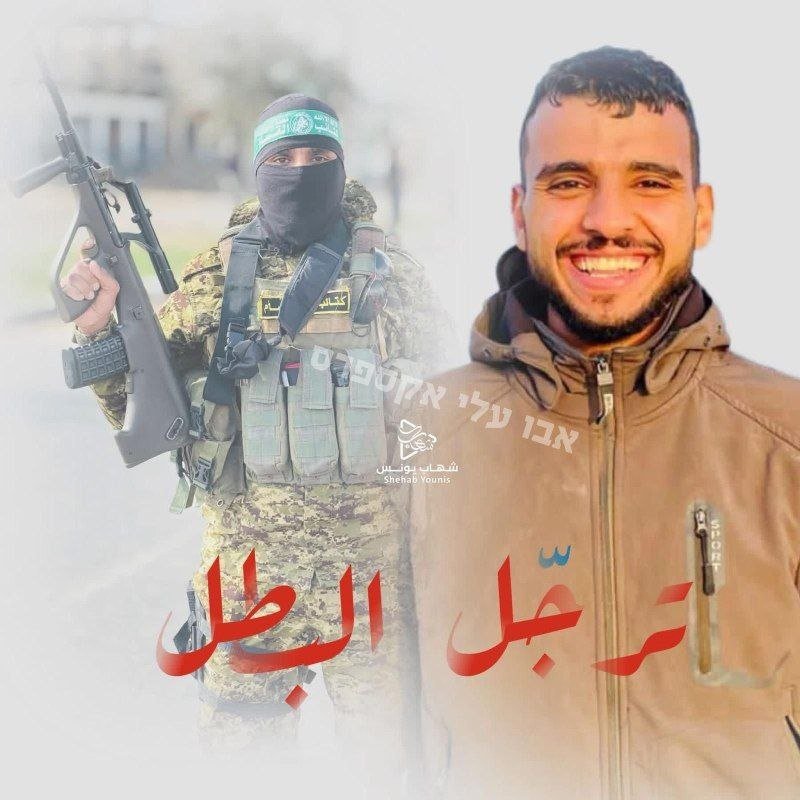
Multiple Israeli airstrikes struck residential areas of Gaza City on the morning of 30 June 2026, killing at least one mother and her infant daughter and wounding others as bombardments and demolitions of civilian infrastructure continued across the strip, according to local outlets monitoring the offensive.
The pattern is familiar; the geography is not. Strikes within a single Gaza City morning now span al-Zaytoun in the south and Sheikh Radwan in the northwest, with reports also surfacing from the Sheikh Radwan junction area. The accumulation of incidents in neighbourhoods that have already been repeatedly targeted is what is striking about the day's reporting, even more than any single strike.
What the morning's reporting shows
The Palestine Chronicle, a pro-Palestinian outlet based in Beirut, reported on 30 June 2026 that a mother and her infant daughter were killed as Israeli attacks struck displaced civilians across Gaza, with bombardment and demolitions continuing. The report, published at 09:07 UTC, framed the casualties as part of a continuing pattern of strikes on displaced populations rather than an isolated incident.
Separately, the Gaza-focused outlet "gazaalanpa" — a social-media news account that has become a primary channel for in-theatre imagery — said at 09:05 UTC that Israeli aircraft had struck the roof of a house in the Sheikh Radwan neighbourhood, northwest of Gaza City. A follow-up item at 09:01 UTC carried a similar line, with images circulated from the aftermath. Distinguishing the two gazaalanpa items is difficult: they read as near-simultaneous posts documenting the same strike, with the second carrying visual material.
Iranian Arabic-language broadcaster Al-Alam, via its Telegram feed, added two further items earlier in the morning. At 08:36 UTC it reported that a "martyr" had been killed by Israeli occupation army fire in the al-Zaytoun neighbourhood, south of Gaza City; at 08:32 UTC it reported injuries near the Sheikh Radwan junction, north of Gaza City.
The sourcing caveat that has to be flagged
Each of these items arrives through either social-media channels or outlets with a documented editorial alignment to one side of the conflict. They are not, individually, conclusive proof of specific casualty figures; the names of the dead, the precise locations and the military justifications are not detailed in the social-media items and have not been independently verified here. Palestinian civilian harm, however, is extensively documented across this war by the United Nations, the International Committee of the Red Cross and wire services, and the pattern of strikes on populated neighbourhoods is consistent with that broader record. The 30 June items should be read as snapshots of in-theatre local reporting, corroborating one another on the broad shape of the morning rather than constituting a complete ledger of what was struck, by what munition, against what target.
The structural frame
The reporting from 30 June sits inside a wider pattern that has been running since the offensive resumed after the brief November-December 2025 truce: small-cluster strikes, geographically dispersed within a single urban footprint, each individually too small to generate sustained outside attention but together producing a casualty curve that international agencies describe as a humanitarian catastrophe. Israeli authorities say strikes target Hamas infrastructure and the militants themselves; international humanitarian-law monitors have repeatedly raised questions about proportionality and the distinction between combatants and civilians in dense urban environments. The morning's items do not address those questions — they simply record that the curve is not bending.
Stakes, and what remains unseen
If the trajectory of small, repeated strikes on populated neighbourhoods continues at the pace visible on 30 June, the human cost compounds regardless of any single high-profile incident. That is the structural concern underneath any day's news: not one strike, but the rhythm. The items published this morning do not specify how many of the wounded reached functioning hospitals, how many of the displaced had moved more than once before the strike, or what the targets were said to be by the Israeli military. Those details matter, and they remain unseen in the threads we have read. Until independent wire reporting can fill the gap — Reuters, AFP and AP stringers in Gaza, UN OCHA situation reports — the strongest claim this publication can make is the cautious one: in the first three hours of 30 June 2026 UTC, Gaza City is reported struck in multiple neighbourhoods, with named civilian deaths, and with no visible pause.
How Monexus framed this: the bureau chose to treat the 30 June cluster as a pattern-of-stakes story rather than a single-incident report, and to foreground the sourcing caveat rather than the casualty line. Where Israeli sources are absent from the thread — as they are here — the desk notes that absence rather than imputing intent.
Wire provenance
This editorial synthesis draws on the following public wire/social posts:
- https://t.me/gazaalanpa
- https://t.me/alalamarabic