Sabalenka clears the first hurdle at Wimbledon as the field searches for an heir to her throne
The world number one needed barely an hour to see off Serbian qualifier Teodora Kostovic. The harder questions begin on day two.
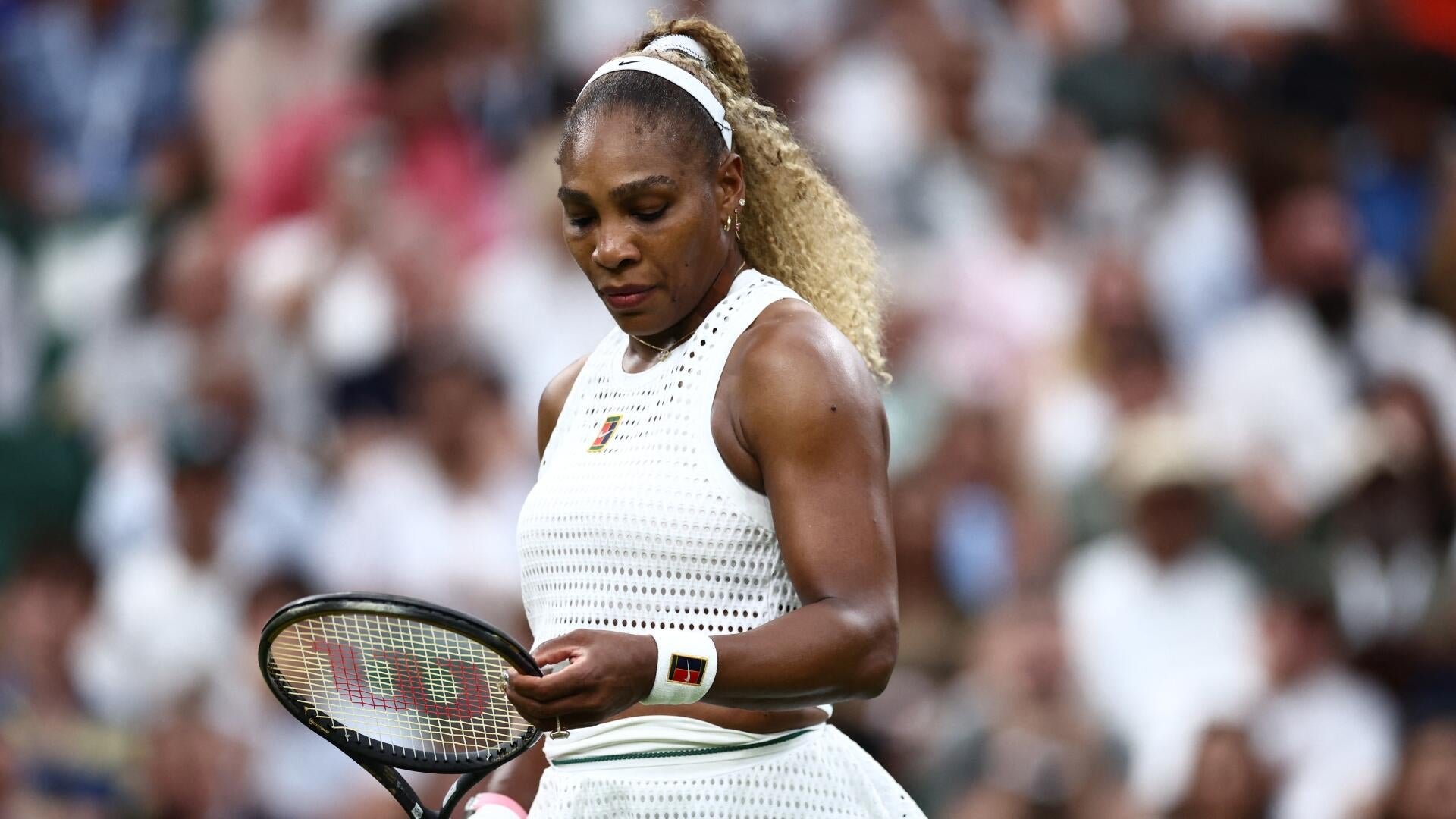
Aryna Sabalenka took the court at the All England Club on 29 June 2026 with the slightly unenviable task of being both the favourite to lift the Venus Rosewater Dish and the woman every other contender in the draw has spent the past year measuring herself against. Her first-round opponent, Serbian qualifier Teodora Kostovic, was never likely to alter that calculation. Sabalenka moved through the opening round in straight sets, completing a commanding win that the BBC reported as clinical rather than contested.
The scoreline matters less than the calendar. Wimbledon returns the WTA tour to grass for five weeks of compressed, high-stakes tennis in which the gap between the world's best and a qualifier on a lucky-loser run is, in practice, an unbridgeable canyon. Sabalenka's job on day one is to stay upright, conserve legs, and remind the chasing pack that the road to the final still runs through her. On the evidence of 29 June, she has done the first two and made a credible attempt at the third.
A qualifier's reach, a champion's reply
Kostovic arrived in the main draw the long way — through qualifying rounds most spectators will not have watched, on courts that seat a few hundred rather than the 15,000 who filed into Centre and Court One. That is the bargain every qualifier accepts: a pay cheque, a memory, and a single afternoon against someone who, on most days, simply plays a different sport. Sabalenka's first serve, her weight of shot from the baseline, and her willingness to step inside the court on second-serve returns are not the result of a single tournament's preparation; they are the accumulated product of a decade inside the top ten.
The pattern of the match followed the pattern of most top-seed openers. Sabalenka held with few alarms, attacked the Kostovic second serve without mercy, and forced the qualifier into the kind of low-percentage forehands that look brave and land long. Whether the match lasted an hour or an hour and a half is, for Sabalenka's purposes, a footnote. What matters is the body's response to grass after the clay swing, and the shoulder that has carried her through the spring.
The chasing pack, and the question the draw quietly asks
What the first round actually illuminates is the shape of the field behind her. Wimbledon is a tournament that historically flatters first-strike tennis and a surface that punishes players who arrive without a calendar of grass-court matches behind them. The women's draw this year is unusually open in the second tier — Iga Swiatek, Elena Rybakina, Coco Gauff, Jessica Pegula — and unusually thin in the lower reaches, where a string of first-round exits by seeded players has been a feature of recent editions.
That structural shape matters more than Sabalenka's score on day one. A first-round win for the world number one is, at this point, almost a category error to report as news. The news, when it comes, will be either a stumble against a name no one expects, or a fortnight of attrition that ends with Sabalenka hoisting a trophy on Centre Court. Both are plausible; neither is yet visible in the data of a single Monday afternoon.
Stakes for the tour, and the calendar ahead
The women's game has spent the better part of two seasons waiting for a credible alternative to Sabalenka's dominance. There are contenders, but no successor. Swiatek, when she is healthy, can win any tournament on any surface; Rybakina, on grass, is the closest thing to a stylistic nightmare for the world number one; Gauff's movement remains elite even when her serve is not. None of them, on the available evidence, has yet constructed the consistent six-event run that separates a great player from a great champion.
That is the slow-burn story that Wimbledon 2026 will either advance or reset. Sabalenka's first round, brisk and efficient, leaves the question exactly where it was at the draw ceremony: she is the player to beat, the chasing pack knows it, and the next ten days will tell us whether any of them has decided to do something about it.
How Monexus framed this: the wire covered the scoreline; this piece reads the draw behind it.