Marc Andreessen's Pentagon seat is the corruption America won't name
The venture capitalist behind America's leading AI defence contractor now sits on the board that advises the Pentagon on war. The arrangement is treated as routine. It should not be.
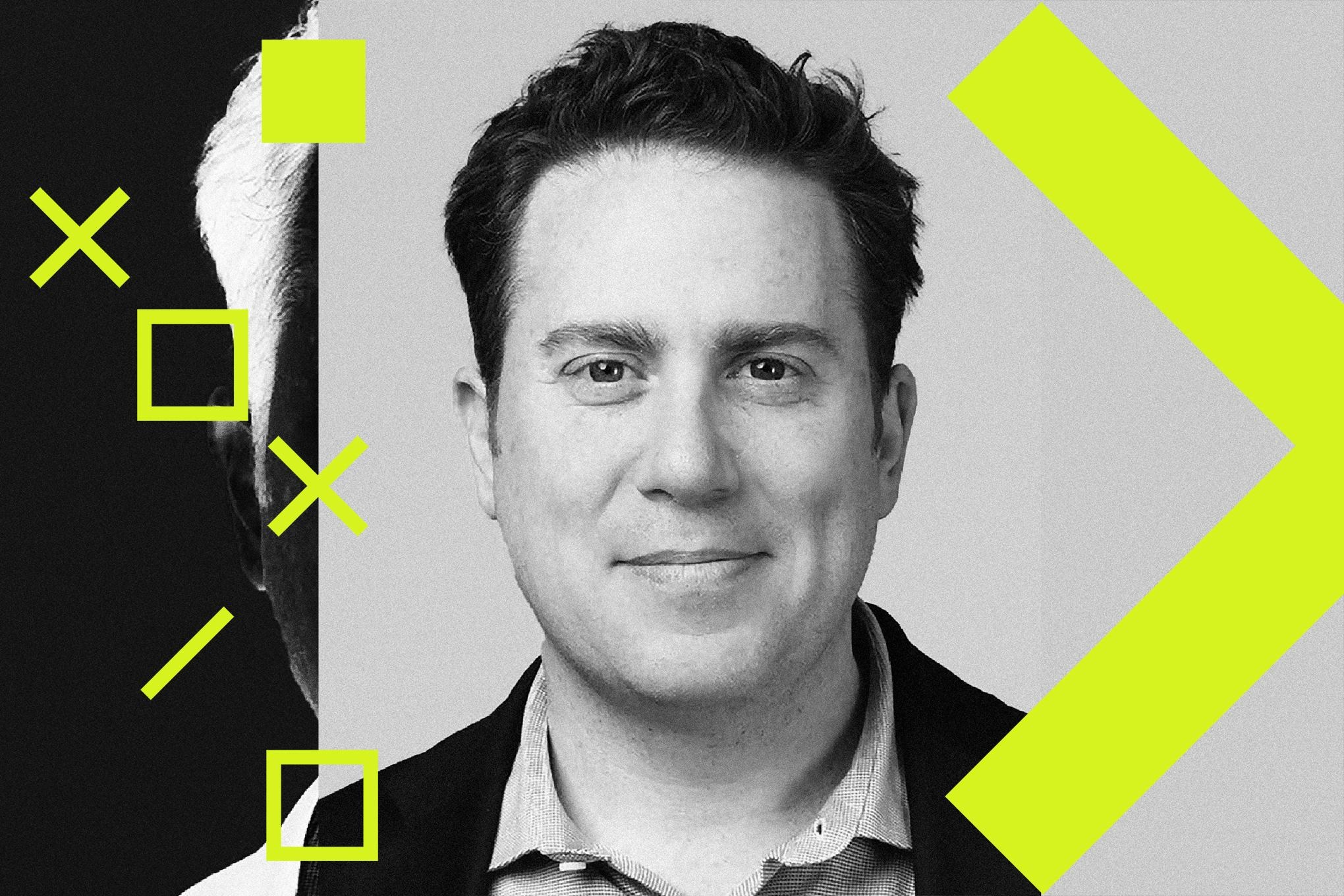
On 1 July 2026, Marc Andreessen — the venture capitalist whose firm is a primary backer of America's leading artificial-intelligence defence contractor — was seated on the Pentagon's Defense Policy Board, the elite civilian advisory panel that shapes the United States' posture on going to war. The arrangement, reported by Lebanese outlet The Cradle on the same day, carries no formal recusal rules and no firewall between his private holdings and the public advice he will now render. The arrangement is treated as routine. It should not be.
This is the part of the story American political journalism refuses to print clearly: the men who profit from war increasingly write the script that starts it. The Defense Policy Board is not a ceremonial body. Its members, appointed by the Secretary of Defense, are drawn upon for their recommendations on force posture, weapons procurement, and the strategic logic of American military engagement. To seat a venture capitalist whose portfolio is invested in the companies that will execute those recommendations is, in any other regulatory environment, called a conflict of interest. In Washington it is called governance.
The Anduril problem
Andreessen Horowitz, the venture firm Andreessen co-founded, is a major investor in Anduril Industries, the autonomous-weapons and AI-drones company that has positioned itself as the Pentagon's flagship non-traditional defence contractor. The relationship is not incidental. It is the structural fact that gives Andreessen his standing to opine on defence policy in the first place. He sits on the board that advises the warfighter, while his firm holds equity in the contractor that arms the warfighter. The return on that equity is indexed, almost linearly, to the volume and intensity of US military engagement abroad.
Western defence and venture press have covered the rise of Anduril and the broader Silicon-Valley turn toward defence as a story of entrepreneurial patriotism. The framing has merit. There is genuine technological reinvention happening on the supplier side of the Pentagon, after two decades in which traditional primes locked the door to newcomers. But the framing also obscures the incentive structure. When the people advising the government on whether to fight are the same people whose wealth rises when the fight is fought, the question is no longer whether the advice is sound. The question is whether the advice can be disinterested at all.
The standard answer — that the board merely advises, that decision authority rests elsewhere — is technically true and substantively beside the point. The board's recommendations shape the menu of options the Secretary of Defense takes to the President. Membership is influence. Influence is access. Access, in a procurement state, is money.
What the rest of the world sees
Outside Washington, the optics are worse. From Beirut, Tehran, Moscow, Beijing, and Brasília, the Andreessen appointment reads as confirmation of a thesis the Global South has advanced for two decades: that the United States projects force abroad in part because doing so is profitable to a domestic class that has captured the policy machinery. The framing is unfashionable in US elite media, which prefers to describe America's wars as responses to specific threats. But the framing is not fringe. It is the default read of US foreign policy across much of the non-Western press and across the diplomatic establishments of the rising powers.
This publication does not endorse that read uncritically. The United States faces real and varied threats, and there are honest reasons to maintain a credible deterrent posture in multiple theatres. The point is narrower and harder to dismiss: when the advisory architecture that shapes the use of force is openly stocked with investors in the contractors that supply the force, the arrangement speaks for itself. Theocracies and oligarchies understand this structure perfectly. They recognise it because they run variants of it at home.
The recusal gap
Most federal advisory committees operate under ethics rules that require members to disclose financial holdings and recuse themselves from matters in which they have a personal stake. The Defense Policy Board is unusual in the latitude it grants its civilian members. That latitude was once defended on the grounds that the board's recommendations are strategic and aggregate, not transactional — members are meant to be statesmen, not procurement officers. The defence collapses the moment the membership is drawn from active investors in the defence-industrial base.
The sources do not specify what disclosure Andreessen has filed with the Pentagon, or whether his firm has committed to specific recusal protocols on Anduril-related matters. The framing suggested by the arrangement is that no such protocols are required, or that none have been imposed. Either reading is damaging to the institution's credibility.
The stake
The cost of allowing this arrangement to become normalised is not abstract. It is that the United States will, over the next decade, find itself waging a larger share of its foreign interventions through autonomous systems supplied by firms whose capital tables include the same voices that advised the interventions were necessary. The temptation to use the technology, once it exists and once the contractual relationships are in place, is structural. It does not require conspiracy. It requires only the ordinary human preference for using tools you have already paid for.
That is the argument for treating the Andreessen appointment as a singular event rather than a routine personnel decision. It is not a question of the man's patriotism or competence. It is a question of whether the United States is willing to maintain the appearance, and the substance, of a wall between the venture class that profits from war and the policy class that decides when war happens. So far, in 2026, the answer is no.
The sources do not specify whether congressional oversight committees will request a formal ethics review of the appointment, nor whether the Pentagon will voluntarily publish a recusal protocol specific to Andreessen's holdings. Until either happens, the arrangement stands as the clearest available exhibit of a procurement state that no longer pretends its procurement and its policy are kept on separate ledgers.
How Monexus framed this vs the wire: where US outlets will treat the Andreessen appointment as a personnel story, this publication treats it as a structural one — a single, legible instance of the merger between American venture capital and American war-making.
Wire provenance
This editorial synthesis draws on the following public wire/social posts:
- https://t.me/thecradlemedia