Doha's quiet table: what the US-Iran technical talks actually signal
Indirect technical talks between the United States and Iran are under way in Doha, with Qatar and Pakistan mediating. The format is narrow — but the read-across is wide.
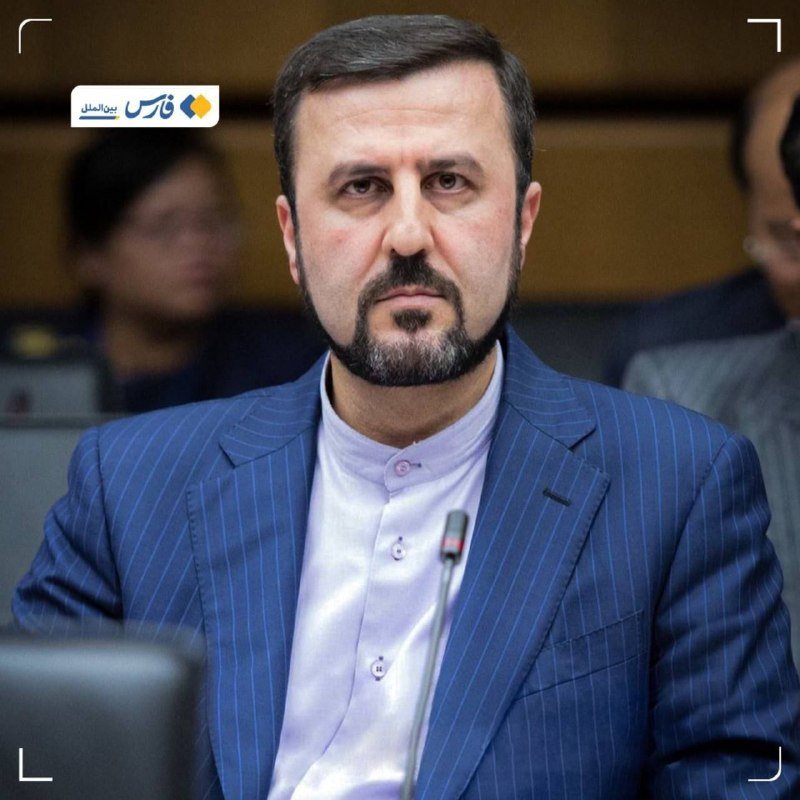
On 1 July 2026, indirect technical talks between the United States and Iran were continuing in Doha, with Qatar and Pakistan serving as mediators, according to a source familiar with the negotiations cited by Reuters via the Open Source Intel channel on Telegram at 08:58 UTC and the War Feeds Witness feed at 08:38 UTC. The US side at the table includes Jared Kushner and Steve Witkoff, who met Qatar's prime minister on Tuesday, per the same reporting.
The format matters as much as the fact. "Technical" and "indirect" are diplomatic tells — they signal a channel narrow enough to survive a single leaked paragraph but wide enough to move paper. The shuttle is being run by two middle powers with reasons of their own to keep the Gulf from tipping back toward confrontation.
What the table is actually for
Technical talks, in the long grammar of US-Iran diplomacy, are where the unresolved mechanics of any eventual deal get hammered out: sanctions sequencing, verification timing, the disposition of enriched material, the scope of who-freezes-what. They are not the venue where the political decision to make a deal gets taken. That call sits in Washington and Tehran. Doha is the seam.
The choice of mediators is itself a signal. Qatar has hosted indirect tracks before and has the relationships on both ends to make a shuttle workable. Pakistan's inclusion — less common — reflects geography and access: it is one of the few regional states that talks to Tehran and to Gulf Arab capitals without owning either of their strategic rivalries, and it has a working channel into Iran's eastern neighbourhood. A senior Pakistani role also gives Islamabad a seat it would otherwise be shut out of in a Gulf security file where it has direct interest.
The US presence — Kushner and Witkoff, both of whom have been central to earlier rounds of the Trump administration's regional diplomacy — points to a track the White House wants to keep close. Technical talks held by envoys rather than by career State are technical in name and political in fact.
The counter-narrative: a talks trap for Tehran
The Iranian counter-read, well understood inside the diplomatic reporting around the channel, is that Doha is a tempo-management exercise rather than a real negotiation. The argument runs that Washington uses technical formats to draw out the interval between sanctions pressure and any deal, forcing Tehran to keep enriching, keep shipping, keep paying — while the US side collects the time. Pakistan and Qatar, on this reading, are useful precisely because they will not embarrass either principal.
A second counter-narrative holds the opposite: that Tehran is the one buying time, using the Doha track to keep oil customers and regional states onside while its enrichment and proxy posture continues unchanged. Both readings can be true at once, and the technical format is precisely the kind of channel in which that ambiguity is preserved.
Why Doha, why now
The structural frame is the one the wire reporting gestures at without naming. The Gulf has spent the last eighteen months oscillating between escalation and managed de-escalation, with the burden of de-escalation falling disproportionately on the smaller Arab states. Qatar and Pakistan have an interest in a US-Iran channel that does not run through a shooting war or a maximum-pressure cliff. Doha offers neutrality without visibility; Islamabad offers a back door into a country that Gulf Arab states cannot openly court.
The US-Iran track also has to be read against a wider reorganisation of Gulf security architecture, in which Saudi Arabia, the UAE and Qatar are renegotiating their alignments while keeping exposure to both Washington and Tehran manageable. A quiet Doha track is the kind of plumbing that lets that reorganisation proceed without a single dramatic headline.
Stakes and what to watch
If the Doha channel produces anything verifiable, it will look like a sequencing document — who freezes what, in what order, against what relief — rather than a framework agreement. That is what "technical" usually means in practice. The risk is that a narrow technical process gets mistaken, in commentary, for a political breakthrough, producing either a market rally on a rumour or a domestic backlash in Tehran on the same rumour.
What remains uncertain is the substance. The sources so far confirm the location, the mediators, two named US principals, and the indirect format. They do not specify the agenda, the Iranian delegation, or whether any document has been tabled. Until those details emerge, the responsible reading is that Doha is a live channel — and that is, for now, the entire news.
Desk note: Monexus is sourcing this story to the Reuters wires reported via the OSINT and Witness Telegram channels, pending direct confirmation from Reuters and the parties involved. We will tighten attribution when primary sources publish.
Wire provenance
This editorial synthesis draws on the following public wire/social posts:
- https://t.me/s/osintlive
- https://t.me/s/wfwitness
- https://en.wikipedia.org/wiki/Qatar%E2%80%93United_States_relations
- https://en.wikipedia.org/wiki/Pakistan%E2%80%93Iran_relations