Kane's brace drags England past stubborn DR Congo and into Mexico showdown
England trailed at the break in Atlanta before their captain delivered twice — the second a long-range strike that ended DR Congo's resistance and set up a meeting with Mexico.
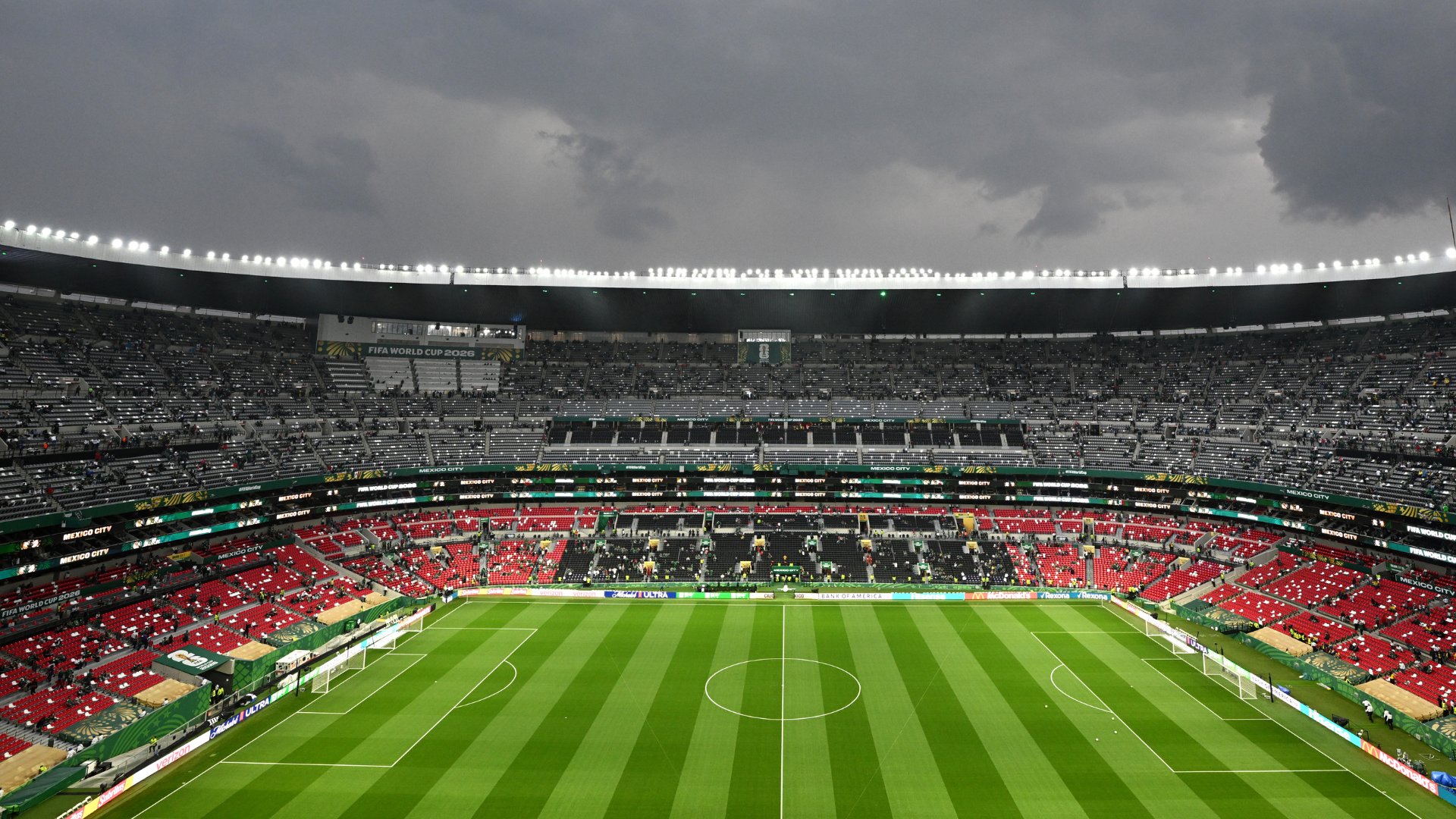
England arrived in Atlanta on 1 July 2026 with a tidy group stage behind them and a knockout bracket that, on paper, gave them room to breathe. By full-time at the round-of-32 fixture they had been reminded, in the bluntest possible fashion, that knockout football at a World Cup owes nothing to form books. DR Congo, the tournament's most pleasant surprise, led 1-0 at the interval and looked comfortable doing so. Then Harry Kane scored twice — once from the spot, once from distance — and England escaped with a 2-1 victory that papers over a performance more fragile than the scoreline suggests.
The result sends England into a last-16 meeting with Mexico and preserves a tournament trajectory that, until Wednesday evening, had been more efficient than convincing. It also sharpens a question that has hung over Thomas Tuchel's side since the opening whistle of the competition: when the opposition refuses to sit deep, who provides the moment? In Atlanta the answer, again, was the captain.
A lead that was no accident
DR Congo's opener was not a smash-and-grab. The Leopards — appearing in the knockout rounds of a World Cup for the first time since 1974, when the country competed as Zaire — played the first half as though they belonged there, pressing high, squeezing the half-spaces and forcing England's centre-backs into rushed distribution. The 1-0 advantage they took into the dressing room reflected a coherent plan executed with discipline, not a fluke carried by individual brilliance.
England's equaliser arrived from a penalty, a punishment the BBC's live coverage attributed to a foul in the area. Kane converted. The goal that followed was of a different order. Described on broadcast as "a rocket" and struck from well outside the box, it beat the goalkeeper at his near post and detonated inside the stadium. Phil McNulty, the BBC's chief football writer, called it Kane's "biggest England moment" — a generous verdict given the length of the captain's highlights reel, but not an unreasonable one in a tournament short on English statement performances.
Anthony Gordon, operating on the left of the front three, said afterwards that he had been "already celebrating" before the ball had crossed the line. The candour is worth noting: a forward backing himself to enjoy a teammate's finish before it lands is the kind of dressing-room confidence any manager would take into the next round.
What the wire says, what the eye sees
The dominant Western line — visible across the BBC's match file, the rolling live blog and McNulty's column — frames the second-half turnaround as evidence of England's character: a side that absorbs pressure, finds its captain, and trusts its senior players to decide tight matches. The framing is defensible. It is also incomplete.
France 24's match dispatch tells the other half of the story, noting the "bittersweet" tone around the Congolese camp. A side ranked outside the top 50 in the world took the lead against one of the pre-tournament favourites and held it for almost an hour. The narrative of a giant stirring from its slumber is more flattering to England; the narrative of a minnow within a hair's breadth of an upset that would have re-ordered the bracket is more flattering to the sport.
The hydration-break question raised by the BBC's post-match analysis — whether the scheduled cooling intervals measurably swung momentum — is the sort of micro-factor that often gets ascribed outsized influence after a win and ignored after a loss. England scored twice in the second half. Whether the breaks explain the timing, or simply gave Tuchel a chance to recalibrate, the available reporting does not settle. What can be said is that DR Congo's press dropped roughly ten metres after the interval, and England's territory share climbed accordingly.
Stakes: a Mexico tie that punishes regression
The last-16 meeting with Mexico carries a different kind of risk than the round-of-32 tie England have just navigated. Mexico, on home-continent familiarity and a crowd that will skew heavily toward El Tri, will not need to be told they can win. England will enter the match as favourites, but favourites in name only — the performance gap between the two sides on Wednesday evening was narrower than the world ranking gap suggests, and Kane at 32 cannot be relied upon to conjure a long-range winner every round.
For DR Congo, the exit is a platform rather than a ceiling. A knockout appearance after a 52-year absence is a recruiting tool, a federation argument for investment, and a national mood-lifter that outlasts the tournament window. Head coach Sébastien Desabre, whose contract talks will now carry different leverage, has given the country a template. Whether the federation funds its continuation is a question for the next federation congress, not the next fixture list.
What remains uncertain
Three things the available coverage does not resolve. First, the structural cause of England's first-half lethargy — rotation, tactical choice, or simply the flat-lining that afflicts sides that have already qualified comfortably — is not addressed in the match reporting. Second, the long-term fitness of Kane's supporting cast: the BBC notes Gordon's lively contribution but does not detail the minutes logged by England's other forwards, and Tuchel's preferred front three remains a work in progress rather than a settled unit. Third, the condition of the Atlanta pitch under the late-evening kickoff, raised by broadcast observers, is the sort of surface variable that will not register until a side is forced to play a second match on it.
What can be said with confidence: England are through, Kane is the difference-maker, and the bracket has rewarded them with a tie they can win and a path that, if they stumble, will be examined rather than celebrated. The pattern of the tournament so far — narrow margins, late goals, a captain carrying the line — does not change in the last 16. Only the opposition does.
Desk note: Where the wire framed this almost exclusively through England's comeback, Monexus gives equal weight to DR Congo's first-half control — a side appearing in the knockout rounds for the first time in 52 years deserves more than a footnote.