Kane's late double drags England past Congo and into the World Cup last 16
England trailed inside the opening half-hour in Atlanta and looked short of ideas until their captain intervened twice in the second half to flip the script.
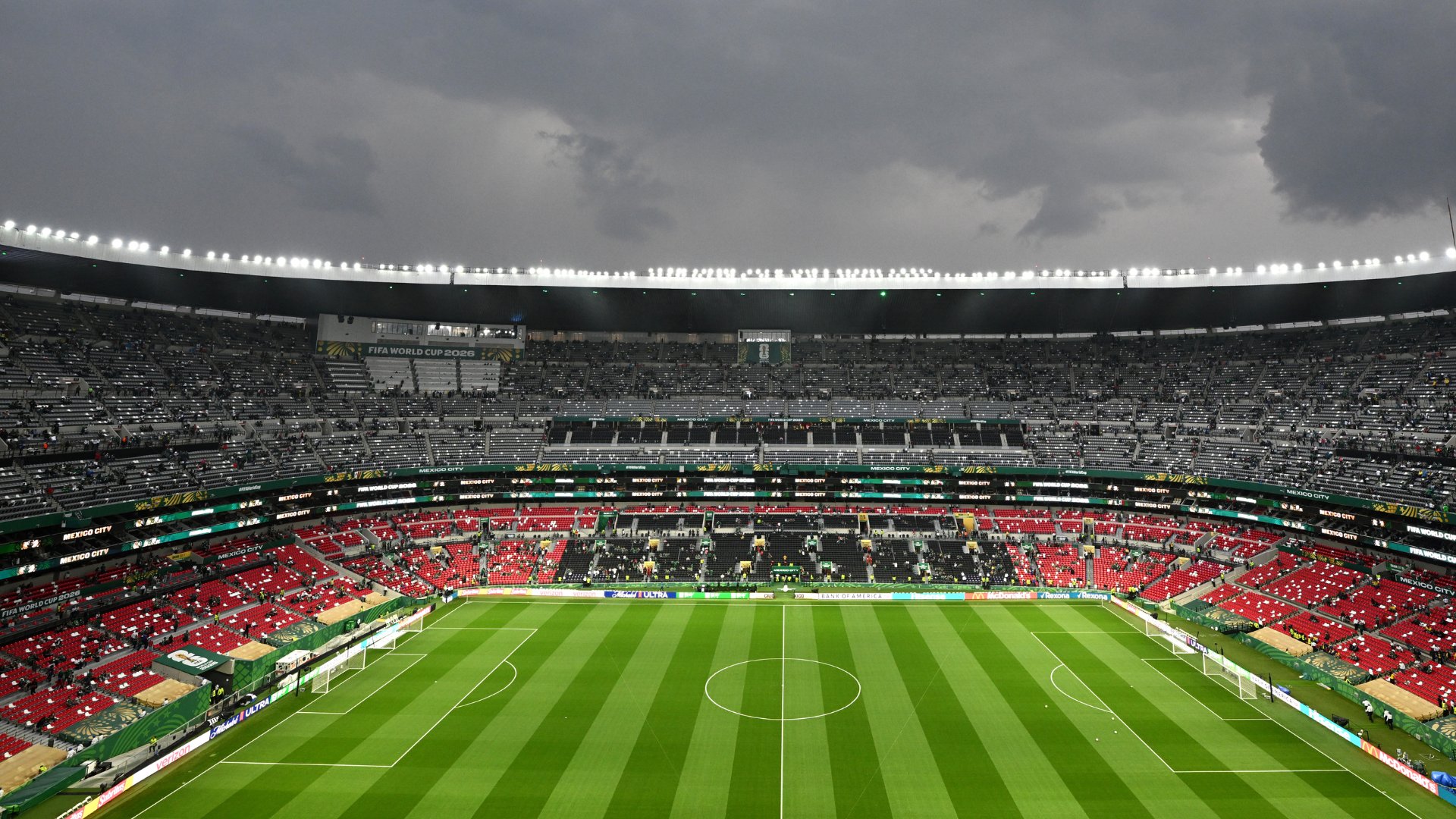
England's passage into the last 16 of the 2026 World Cup was supposed to be routine. Instead, in front of a stunned Atlanta crowd on 1 July 2026, Thomas Tuchel's side spent long stretches looking like a team that had not read the script, until the one man Tuchel can least afford to lose decided the game on his own. Harry Kane, quiet for most of the evening, struck twice in the second half — the first a poacher's finish, the second a strike the BBC's commentary team described as a "rocket" — to turn a 1-0 deficit into a 2-1 win over a DR Congo side that had no business being level, and arguably no business being behind. The final whistle confirmed England through to the knockout phase, and confirmed, once again, that the difference between England and an exit is the form of their captain.
The result is a reminder that knockout football is rarely about how a team plays for eighty minutes; it is about how it plays in the ten that matter. Congo, the lowest-ranked side left in the tournament, were not meant to test England. They did so thoroughly, and for a while it looked as though they might pull off the kind of result that defines a tournament. They did not, and the reason sits in the record book with a familiar surname attached.
The early shock
Congo took the lead inside the opening half-hour, converting one of the few clear chances the game produced in the first period. From that moment, England's body language shifted from composure to frustration. Tuchel's side dominated possession but struggled to find the incision needed against a side sitting deep and refusing to be pulled out of shape. According to BBC Sport's live coverage, England's appeals for a penalty were waved away after DR Congo goalkeeper Lionel Mpasi appeared to bring down Kane; replays suggested contact, but the decision stood.
That was the first time the match felt like it might tilt England's way. Mpasi, almost from nowhere, had become the game's central figure. He commanded his box, organised his back line, and produced a string of saves that would later frame the entire story of the evening, win or lose.
The captain intervenes
Kane's first goal, shortly after the break, was the kind of finish that strikers of his profile are paid to produce: present at the right time, in the right place, applying the simplest possible finish to a situation that had looked beyond him for forty-five minutes. It changed the geometry of the match. Suddenly Congo had to come out, the spaces that had been compressed began to open, and England had a route back into a game they had been chasing.
The second, decisive strike came with time running out. France 24's report from Atlanta described it as a "late double" that "sank heroic Mpasi"; the BBC's commentary, in more measured terms, called it "a rocket". Either framing captures the same point: when England needed a goal, Kane hit one that a goalkeeper of Mpasi's form had no chance of reaching. The ESPN match report, blunt in the way ESPN match reports tend to be, asked the obvious question: where would England be without their captain? The answer, on this evidence, is "probably flying back to London".
The Indian Express's summary captured the wider tenor of the evening: "Harry Kane breaks Congo resistance with sublime brace as England enter last 16." That is a fair reading. The resistance was real. The brace was also real, and the second goal in particular was the moment that turned a difficult evening into a comfortable headline.
What the game actually said
Read narrowly, this was a 2-1 win for a tournament favourite against a side that had no right to lead, much less win. Read more broadly, it was a stress test, and the result is mixed. England were slow to adjust to a deep defensive block, again; the supply lines to Kane were intermittent, again; and the only consistent route to goal was the captain either finishing a half-chance or producing a moment of individual quality. Tuchel will know that knockout football against a team of Spain or Brazil's calibre will not forgive the same flatness in the opening half-hour.
There is also a question of how to weigh this performance against what came before it in the group stage. The wire coverage available at the time of writing does not specify England's earlier results or goal difference in detail, and a full accounting of the group-phase campaign will need to wait for the round-of-16 draw. What the available sourcing does support is the basic shape: England finished ahead of Congo in a tight contest, and they did so on the back of two moments from Kane, not from any sustained pattern of play.
The Congo angle
The dominant frame for this match will be England's narrow escape, and understandably so. But it is worth pausing on the side that did the escaping to. DR Congo came into the tournament as a rank outsider and played, for seventy-plus minutes, like a side that had read the form book and decided to ignore it. Mpasi, in particular, delivered the kind of performance that wins a goalkeeper a move to a bigger league; teleSUR's summary of the match emphasised that Congo were competing, not merely surviving, for most of the evening. The framing of the result as a Kane rescue obscures the fact that, for long stretches, Congo were the more coherent side. The two truths sit side by side: Congo were good enough to lead, and not quite good enough to hold.
The other counter-narrative, less flattering to England, is that this is the second consecutive major tournament in which the side has required a moment of individual quality to break down a deep block. The structural problem — a midfield that struggles to unpick organised defences without Kane dropping deep to link play — has not been solved by the new manager, only papered over by an in-form striker. The next round will provide a sterner test of whether the underlying issue has been addressed or merely postponed.
The stakes, plainly: England face a last-16 fixture against a side that will, on the evidence of the group stage, be of considerably higher quality than Congo. Tuchel will need to find a way to make his team functional for the full ninety minutes, not just the decisive ten. The available sourcing does not specify the round-of-16 opponent, which will be set by the group-stage final tables; that confirmation will arrive in the next 24 to 48 hours. What the available sourcing does confirm is that England are through, that Kane has delivered, and that the margin between an outstanding tournament and an early flight home is, once again, the width of a finisher's boot.
Desk note: Monexus has led on Kane's intervention, in line with the dominant wire framing, while flagging the defensive frailties and the strong Congo performance that the celebratory English coverage tends to under-weight.
Sources available in the source panel below.
Wire provenance
This editorial synthesis draws on the following public wire/social posts:
- https://t.me/telesurenglish
- https://t.me/france24_en