Lively's $8m fee request puts a price tag on Hollywood's scorched-earth playbook
Blake Lively's $8 million fee request against Justin Baldoni turns a publicity feud into a measurable test of who pays when defamation suits collapse — and what 'scorched-earth' actually costs.
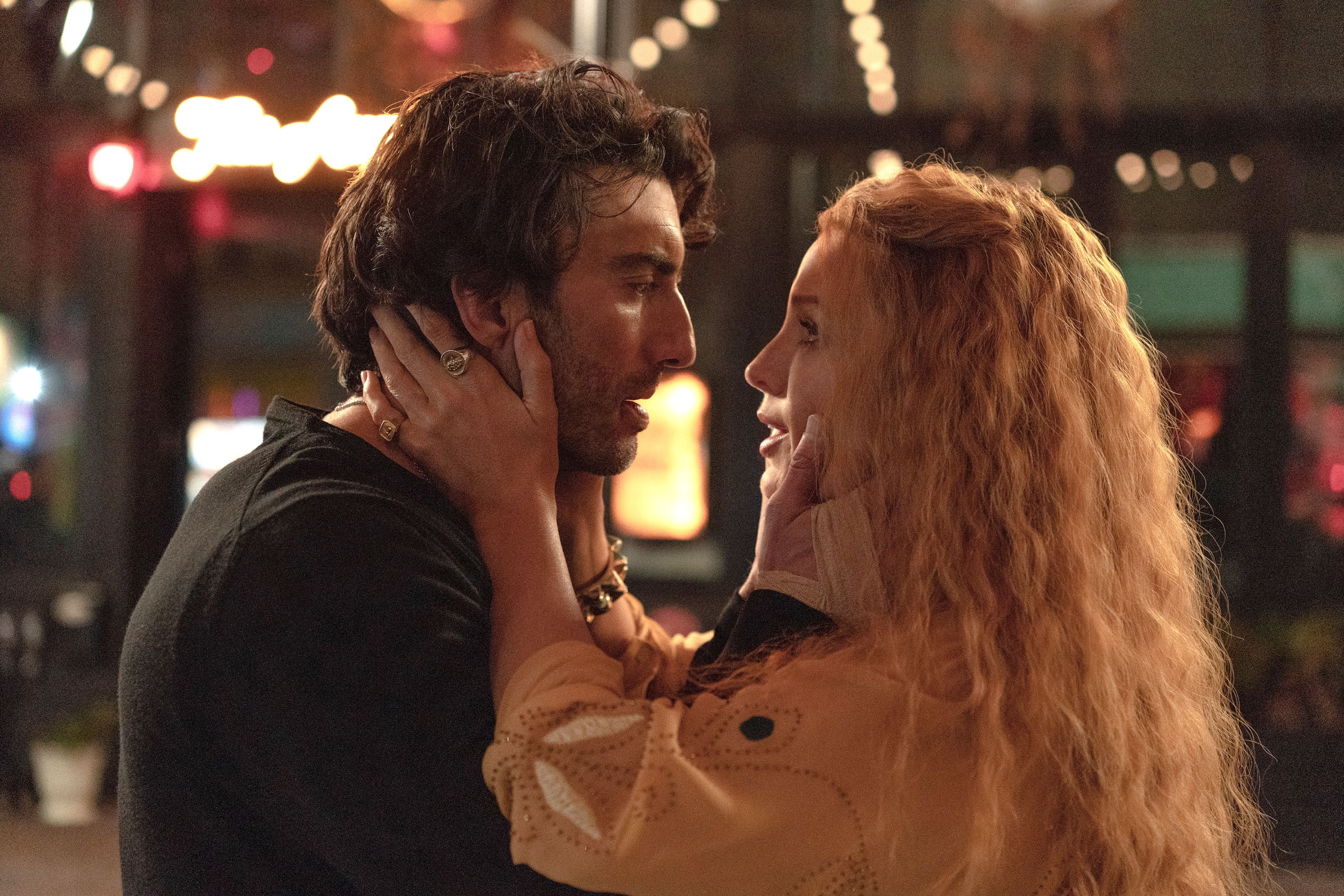
Blake Lively has put a number on the collateral damage of being sued by her former co-star. On 30 June 2026, her attorneys filed a motion in United States federal court asking a judge to award her roughly $8 million in attorneys' fees and costs — money, her team argues, she was forced to spend defending against a $400 million defamation countersuit brought by Justin Baldoni and his production company, Wayfarer Studios. The filing escalates a litigation arc that began on a film set and now threatens to reshape how Hollywood studios calculate the cost of going to war with their own talent.
The fee motion is, on its face, a procedural ask — a routine remedy when a defendant believes the case against her was weak enough to warrant sanctions. Read for what it signals, it is something more pointed. Lively is not merely defending. She is asking the court to assign a price to Baldoni's litigation strategy itself, and to make him pay it.
What the filing actually asks for
The motion, as reported by Variety on 30 June 2026, requests $8 million to cover the legal work Lively's team performed pushing back against Baldoni's complaint. Her lawyers describe the countersuit as built on mischaracterisations and pursue what they call "scorched-earth tactics" — a phrase that has migrated from military history into civil-procedure shorthand for plaintiffs who use the cost of defence as a weapon. South China Morning Post's US desk, reporting on the same filing late on 30 June 2026 UTC, framed the request as Lively seeking to recover costs tied specifically to the dispute over the 2024 film It Ends With Us, in which both Lively and Baldoni starred.
The underlying dispute is well known. Lively accused Baldoni of orchestrating a coordinated reputational campaign against her during the film's release. Baldoni denied the allegation and countersued for defamation, putting $400 million on the table. The fee request is the latest in a series of Lively filings that treat the countersuit not as a legitimate grievance but as the retaliation phase of the original complaint.
Why the $8 million figure matters
Fee-shifting motions in US federal court are governed by statute, contract, or — as in defamation cases — by the judge's discretion after a finding that a claim was frivolous, unreasonable, or brought for an improper purpose. Eight million dollars is not a symbolic number. It is a line-item audit of how much it actually cost a well-resourced celebrity legal team to dismantle a $400 million complaint.
That has two consequences. First, it forces Baldoni's side to defend not just the substance of the original suit but the proportionality of the fight. If a court agrees that parts of the countersuit were pursued aggressively beyond what the evidence supported, the dollar figure becomes evidence of bad faith. Second, it gives other studios and talent a working estimate of what "going nuclear" against an accuser actually costs when the nuclear option fails.
Hollywood's defamation playbook has historically rewarded aggressive countersuits because most accusers cannot afford to match the defendant's litigation budget. The fee motion is an attempt to invert that incentive — to make the aggressor carry the cost of his own aggression, regardless of whether he wins on the merits.
The counter-narrative from Baldoni's side
Baldoni's representatives have consistently characterised Lively's claims as a publicity counter-offensive, and have portrayed the countersuit as a legitimate response to reputational injury. Wayfarer Studios has framed its legal posture as a defence of the company's business and of Baldoni's reputation against what it calls coordinated attacks.
That framing is not frivolous on its face. Accused parties have a right to litigate reputation claims, and the $400 million headline number, whatever its ultimate legal weight, signals how seriously Baldoni's team takes the alleged injury. The court will ultimately decide whether the suit was substantially meritorious or substantively performative. The fee motion asks the judge to conclude it was the latter — at least in part.
Structural stakes for the industry
The case now sits inside a larger pattern: Hollywood productions in which behind-the-scenes disputes over directing, producing, and on-set conduct spill into public view, then metastasise into litigation. Studios that once handled such disputes through quiet settlements now find themselves in a media environment where every filing becomes content, and every dollar number becomes a headline.
Lively's fee request, if granted in whole or in part, would establish a precedent that defamation countersuits in this genre — between co-stars, between talent and producers, between studios and creators — carry a measurable downside risk when filed without sufficient evidentiary support. That is a structural shift. It changes the calculus not just for Baldoni and Wayfarer, but for every producer weighing whether to countersue an accuser rather than weather the press cycle.
There is a countervailing risk. If fee motions become standard counter-weapon in celebrity disputes, aggrieved parties with meritorious defamation claims may hesitate to file at all, fearing that a loss on a technicality becomes a seven-figure penalty. Courts will have to thread that needle carefully.
What remains contested
Several elements of the dispute are not yet resolved on the public record. The fee motion itself is a request, not an award; a judge will rule on it after considering Baldoni's opposition and the underlying conduct of the litigation. The substantive defamation claims remain live, and the merits of each side's allegations will turn on discovery that has not been fully aired.
What the sources do agree on is narrower but firm: Lively filed a fee motion on 30 June 2026, valued at $8 million, in connection with Baldoni's $400 million countersuit, with her attorneys characterising Wayfarer's tactics as scorched-earth. What remains genuinely contested is whether that characterisation will hold up under judicial scrutiny — and whether the fee request will be granted, reduced, or denied.
This publication framed the $8 million as a structural question about litigation cost rather than as another round of the celebrity feud. The number matters less for who wins the headlines than for what it tells the next studio weighing a countersuit.