A lightning delay, a stadium full of flags, and the soft power optics Mexico–Ecuador was never really about
A 30-minute weather delay at Mexico vs Ecuador turned into a small case study in how friendly football fixtures are repackaged as geopolitical theatre — even when the only lightning was meteorological.
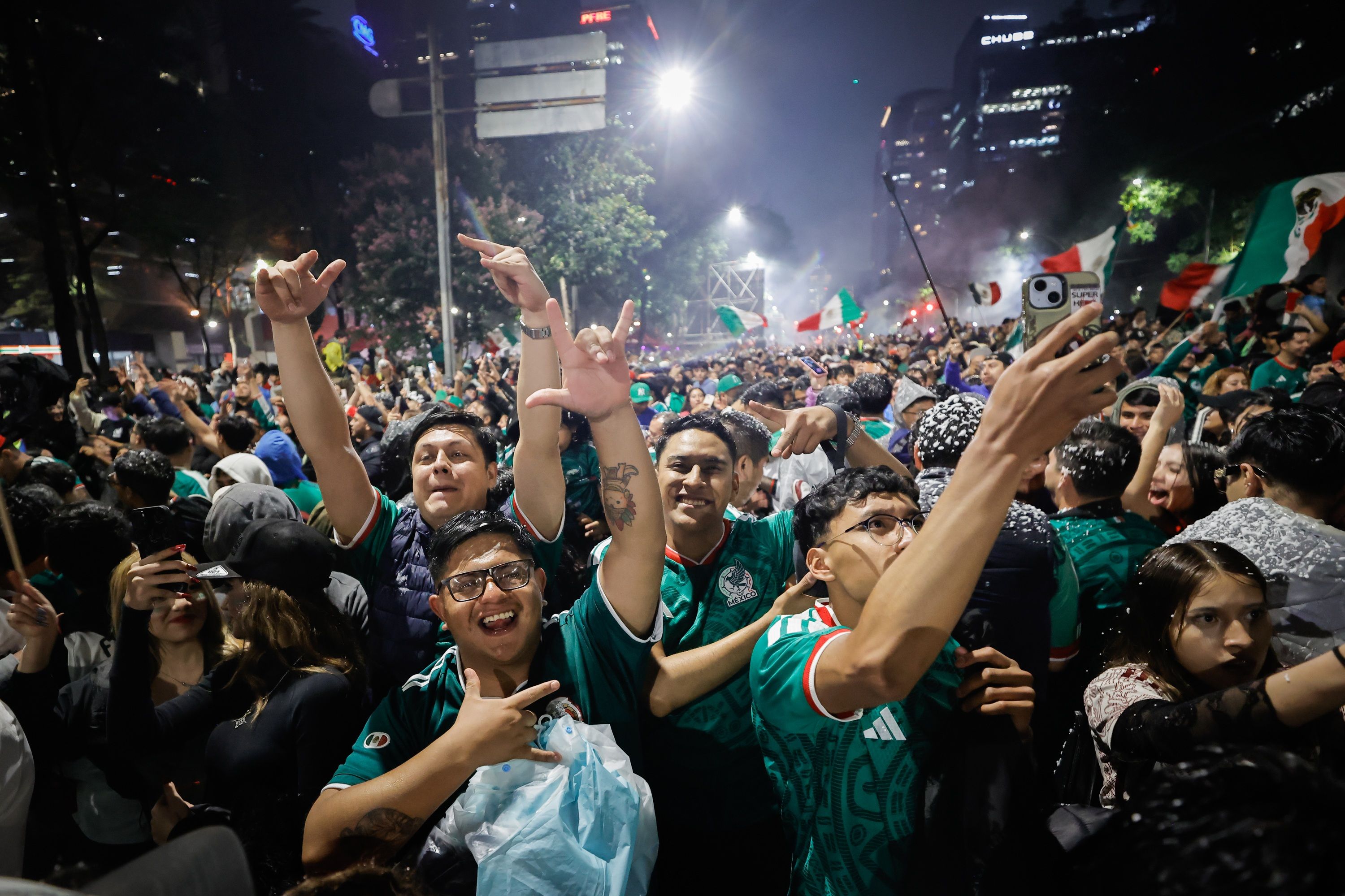
The Mexico–Ecuador friendly scheduled for the small hours of 1 July 2026 was pushed back half an hour after thunderstorms rolled over the venue, Iranian state-linked outlets Fars News and Tasnim News reported in near-identical wires shortly after midnight UTC. Kick-off, originally set for 04:30 local broadcast, slipped while ground staff waited out the cell. There was no injury, no walk-off, no political protest. Just weather — and the optical resonance of two national teams playing deep in the World Cup year, in a fixture both federations have learned to treat as soft-power inventory.
The interesting story is not the delay. It is what the delay revealed about how the match itself gets packaged.
When the wires match word for word
Within five minutes of each other, Fars News and Tasnim English pushed the same bulletin — same wording, same warning, same tag — that the Mexico–Ecuador match would start with a 30-minute delay because of unfavourable weather and lightning risk. A third Tasnim item, posted at 00:03 UTC, had previewed the fixture as a "combination of Mexico and Ecuador" broadcast on Channel 3 at 04:30. The triplet is mundane. The structure of it is not. Two outlets, both tied to the Iranian state, each carrying the wire copy of the other, both amplifying a fixture that is, on its face, an inconsequential friendly. Coverage of that volume and that symmetry does not happen by accident. It signals intent: that the friendly matters more than the weather that briefly interrupted it.
Soft power, scored in friendlies
Friendly internationals are the diplomacy that does not require a foreign ministry. They let a federation play a neutral venue or a visiting side in conditions that say something the ambassadors cannot. Mexico–Ecuador fixtures in recent years have been framed, variously, as a North–South Latin American handshake, a chance for Mexican Liga MX exports to audition for European scouts, and a low-cost show of bilateral warmth. None of these framings require a single political concession. They only require the cameras. Iran does not need a player on the pitch to benefit from the broadcast — it benefits from the broadcast being watched. The wire duplication is the giveaway: it tells you who wanted the fixture to register above its weight class, and on which audience's feed.
Why the framing matters more than the goals
A friendly scored 2–1 is reported by the sports desks and forgotten by lunchtime. A friendly whose kick-off delay is carried synchronously by two state-aligned newsrooms in three posts across twenty-five minutes is a different artefact: it is a signal-channel transaction dressed up as sport. That this publication read the same line item twice in five minutes is not, on its own, sinister. State media cover the World Cup ecosystem aggressively because football is one of the few remaining forms of programming that crosses language barriers without translation rights. The framing question is whether the reader is being told anything about the match, or merely being shown that the match is on air.
The Western wire line treats these fixtures as routine. The Global-South / non-aligned line treats them as terrain worth contesting. Both are partly right. The match will almost certainly be reviewed in regional desks as a tactical exercise for both federations ahead of competitive windows. Whether the Iranian-language coverage of the delay was timed to capture the Latin American audience ahead of morning broadcasts there, or simply reflected shared sourcing between Fars and Tasnim newsrooms, cannot be determined from the threads alone. The duplication is consistent with a deliberate amplification strategy. It is also consistent with a small newsroom swapping copy.
What remains uncertain
The threads do not name the venue, the kick-off time in local terms, the line-ups, or the broadcast rights holder behind Channel 3. They do not specify whether the lightning was in the stadium precinct or in a wider advisory zone, or whether the delay was the federation's call or the broadcaster's. They do not say who at Fars or Tasnim decided the delay itself was the lede rather than the eventual kick-off. Any of these would let a reader weigh whether the framing was a news judgement or an agenda. None is in the source material. That is the honest ledger. What the threads do establish, with two near-identical copies across five minutes and a third preview post, is that the Mexican and Ecuadorian federations were given a small, free, multilingual reception into a broadcast window that does not normally follow their friendlies this closely.
The headline is not about Mexico. It is not about Ecuador. It is about which desks decided a 30-minute weather delay was worth a coordinated wire push on the eve of a World Cup summer — and what that says about the value of the airtime itself.
This piece was written from two Iranian state-linked wires and their shared preview post; Monexus did not have independent access to the venue, the federation statements, or the broadcast log, and the desk has flagged those gaps explicitly above rather than filling them.
Wire provenance
This editorial synthesis draws on the following public wire/social posts:
- https://t.me/farsna/
- https://t.me/tasnimnews_en/
- https://t.me/tasnimnews_en/