Tuchel's selection puzzle: England stumble past DR Congo but squad questions cloud World Cup run
A late scare against DR Congo exposed the fault lines in Thomas Tuchel's England squad just as the World Cup knockout rounds begin — and the German's roster choices now look like the campaign's biggest variable.
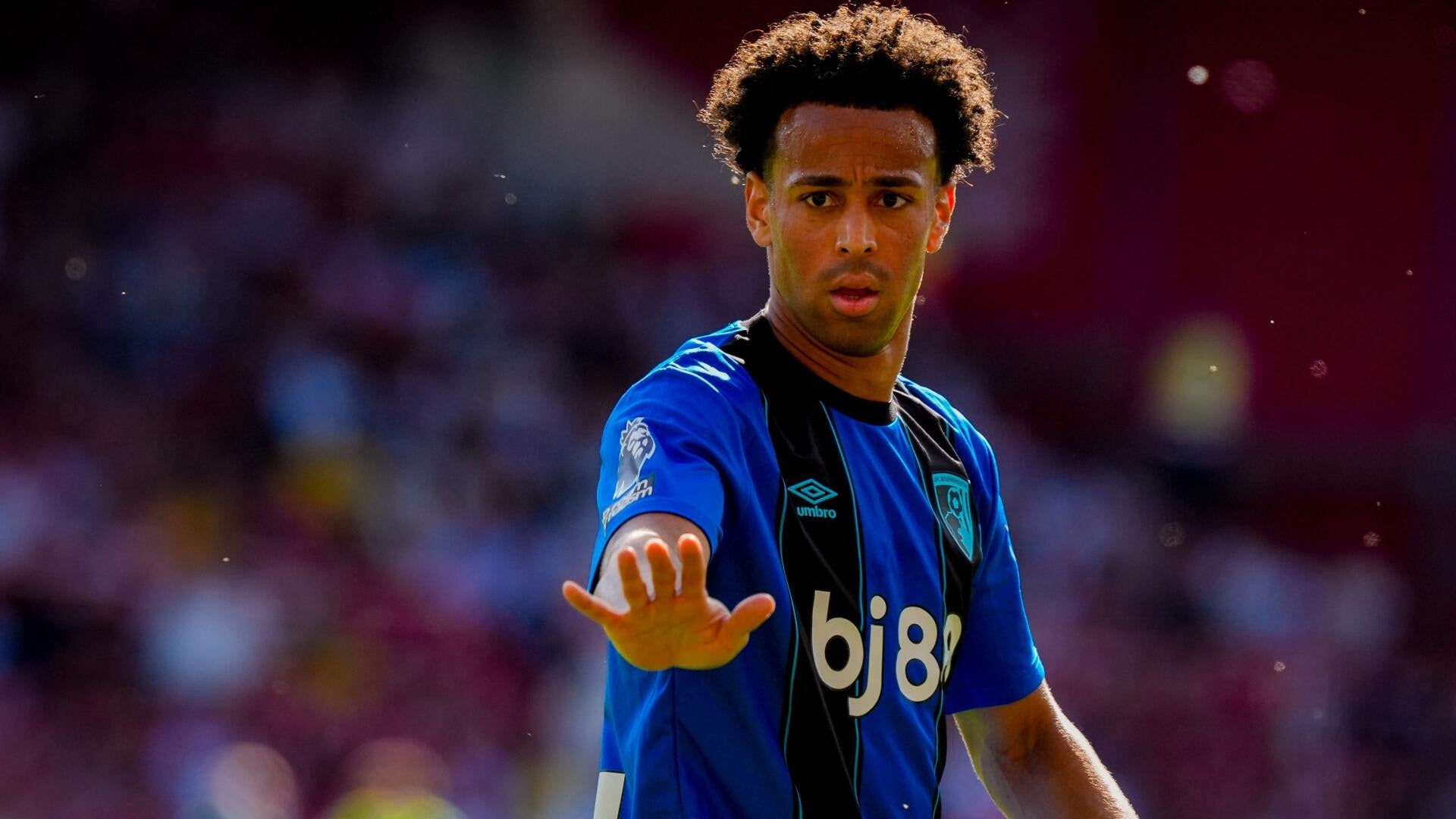
England's World Cup campaign lurched into the knockout phase on 1 July 2026 with a result that did little to settle the argument consuming the English game: whether Thomas Tuchel, six months into the job and still learning the topography of English football, has constructed a squad capable of going the distance in a tournament that has already produced more upsets than the form book anticipated.
The scare came in the round-of-32 tie against the Democratic Republic of Congo, a side England were heavily favoured to dispatch but only eliminated after a late sequence that exposed familiar old cracks in the Three Lions' armour. By full time the question was no longer whether Tuchel's side could clear the group — it had — but whether the manager's choices since taking charge are aligned with the demands of a knockout competition in which the next mistake is also the last.
A manager still finding the starting XI
Less than a fortnight before the squad flew out, BBC Sport's chief football writer Phil McNulty framed the moment plainly: the tournament had already become a "danger zone" of shocks, and the time had arrived for Tuchel to "play his strongest hand." That diagnosis was followed, on 1 July, by the broadcaster's interactive selection feature asking supporters to put themselves in the German's shoes and pick the side to face Congo — an implicit recognition that the manager's preferred XI remains, in the public mind, an open question.
The selection puzzle is not abstract. England arrive at a World Cup with a deep forward pool, a midfield in transition between generations, and a defensive unit in which several starters are returning from injury or operating outside their club position. Each of those choices carries second-order consequences: an unsettled back four against a counter-attacking opponent, a No 6 who is still learning the press triggers, a wide player whose club form has flat-lined since the spring. None of those decisions are wrong on paper; all of them carry risk when the margins shrink.
The penalty template — continuity as cover
If there was one area where Tuchel moved quickly to remove the noise, it was the area where previous England squads have most often lost their heads. On 1 July Tuchel confirmed that his team will follow the penalty shootout blueprint established by his predecessor Sir Gareth Southgate — the structured routine, the designated takers, the rejection of hero-ball improvisation — for the duration of the tournament. The message was less about the spot-kick itself than about managerial identity: Tuchel is prepared to inherit what works, and to be explicit about doing so.
It is a small thing but it does work. It also reveals the shape of the broader problem. Southgate's England was defined by clarity of process and a willingness to absorb criticism for cautious selections; Tuchel's England, six matches into his reign, has neither the procedural shorthand nor the credit balance of goodwill that comes from a long tenure. The penalty template is borrowed authority. Everything else, the squad has to earn.
The counter-read: form, not picks
The most reasonable defence of Tuchel is that the underlying talent is good enough to absorb a misfiring group game, and the round-of-32 scare should be read as a wake-up call rather than a verdict. Tournament football has a habit of rewarding sides that peak late rather than early; England's last deep run, to the 2024 European Championship final, was built on a side that often laboured through the early knockout rounds before hitting form.
There is also a structural argument against reading too much into any one tie. The Democratic Republic of Congo is a side of genuine pace and physicality, with players operating across Europe at first-division level; the discomfort England felt was as much about opposition quality as about self-inflicted friction. If Tuchel's midfield could not control the game against this profile of opponent, the lesson is that the next round — the sort of game against a tier-one nation where possession and territory are contested rather than conceded — will demand a different calibration.
The structural read: a federation choosing a model
What is being asked of Tuchel is not just a starting XI but an answer to a longer-running question the Football Association has been posing since Southgate's departure: what kind of team does England want to be? Southgate's side was defined by set-piece discipline, defensive shape, and an explicit acceptance that elite tournament football is won in transitions. Tuchel's instinct, traced through his club career, runs the other way — towards possession football, positional play, and a demand that the side impose its pattern on the game.
Neither model is wrong, and both have claimed major trophies in the last decade. The risk for England is that the first model has been dismantled by personnel changes before the second model has been installed; the squad, in other words, is between identities. That is why the selection calls now feel heavier than they would in a settled setup, and why every dropped player is read as a message about the team Tuchel is trying to build.
Stakes: a window that does not stay open long
The downstream consequence is straightforward. The core of this squad — the players aged between 23 and 28 — will not all be available for the next tournament in four years' time; some will be past their peak, others will have lost their place to the cohort behind them. A World Cup run that ends short of the semi-finals will not be the end of England's project, but it will force the FA to decide whether to extend Tuchel's mandate, reset with a new voice, or accept a transitional cycle that yields rather than contends.
For now the only verdict the data will support is the narrow one: England survived Congo, the squad is creaking rather than broken, and the next fixture will tell us more about Tuchel than the last one did. The contradiction at the heart of this campaign — that a manager with a Champions League pedigree has yet to convince an English audience that he has the right XI — is the story that will run all the way to the final, whichever way it ends.
What the sources leave open
The reporting available on 1 July does not yet disclose Tuchel's confirmed XI for the round-of-32 fixture, the specific nature of the "late scare" against Congo, or the shape of the changes he is weighing for the next round. The account of the manager's penalty-shootout plan is sourced directly; the wider tactical and selection arguments are inferred from the public BBC Sport and CBS Sports coverage of the squad's broader form, and from the well-documented pattern of England performances in recent tournaments. Readers should treat the structural analysis above as a reading of the available evidence rather than a settled account.
This article was prepared from wire and broadcaster reporting on 1 July 2026. Monexus treated the BBC Sport tactical framing and the CBS Sports squad-construction critique as complementary rather than competing accounts.