England ride hydration breaks and second-half surge past DR Congo into last 16
Thomas Tuchel's England trailed at the break in their last-32 tie in the United States, then scored three times in fifteen minutes after a drinks break to silence doubts about a rotated XI.
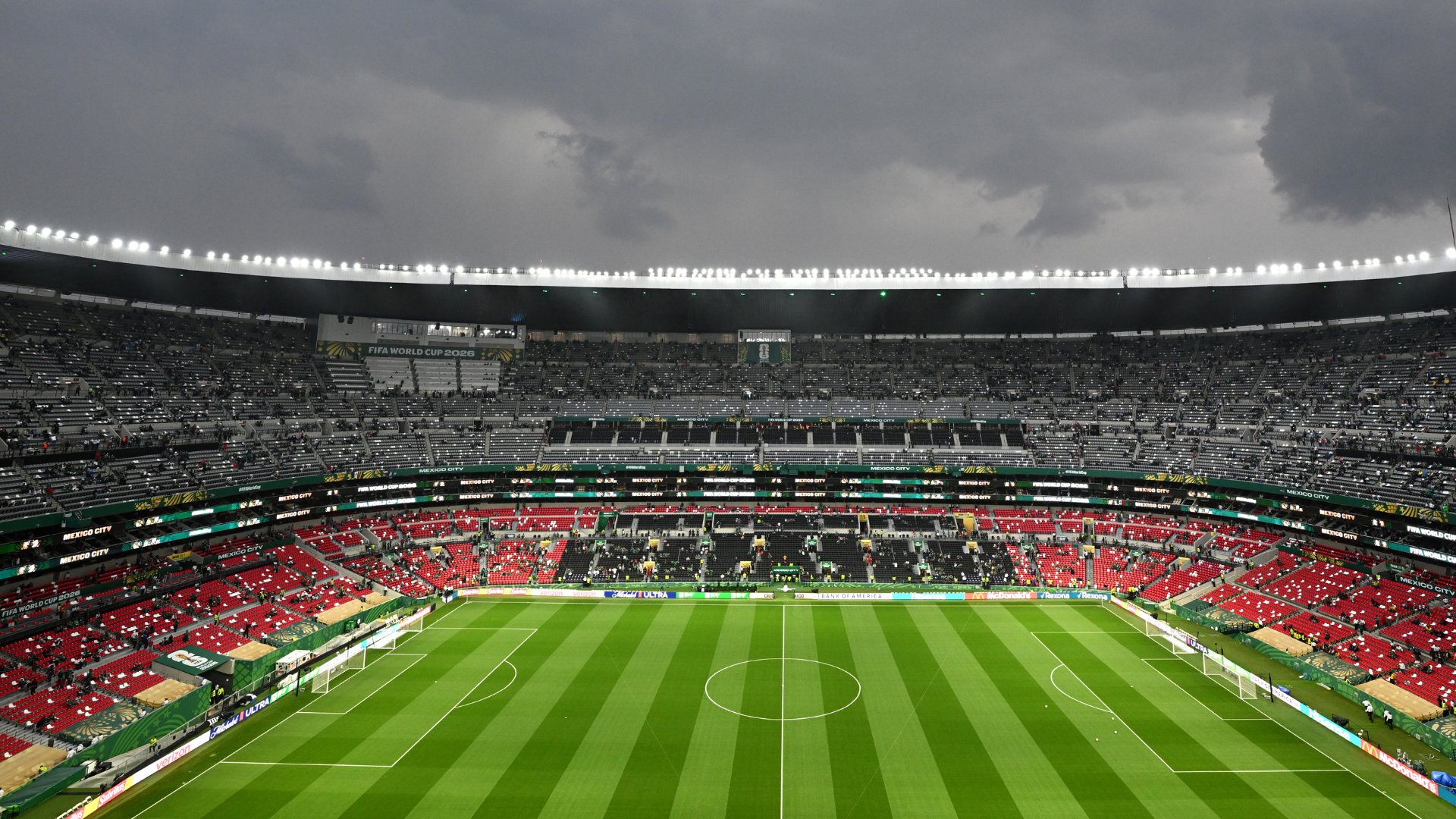
England's path through the World Cup knockout rounds began not with a statement performance but with a slow climb out of a hole. On 1 July 2026, Thomas Tuchel's side trailed the Democratic Republic of Congo at the interval in their last-32 fixture in the United States before three goals in fifteen second-half minutes flipped the contest and carried the 1966 champions into the last sixteen. The 3-1 scoreline flattered the ending rather than the hour that preceded it, which is precisely the point Tuchel made afterwards.
The result, secured in the early hours of 2 July 2026 UTC, leaves England with a date in the next round and gives their German coach a small vindication. He had been urged, including by BBC Sport chief football writer Phil McNulty, to "play his strongest hand" entering a "danger zone" of shocks; he rotated, England wobbled, and then they won anyway. The structure of the comeback — and specifically its inflection around two scheduled hydration breaks — is now the story of the match.
The shape of the comeback
England's equaliser arrived within minutes of the second scheduled drinks break of the half. Marcus Rashford, introduced from the bench after the interval, finished the move that drew England level. From there the goals came quickly: a second inside the hour from a wide position, and a third on the counter as DR Congo committed numbers forward in search of an equaliser of their own. The pattern — England subdued, then suddenly overwhelming — was unmistakable to viewers and to Tuchel himself, who told reporters he was "proud of the fight" the side showed in overturning the deficit, per a 2 July 2026 Nation Africa report of his post-match remarks.
The official scoresheet will record three goals and a clean second-half sheet. The unofficial one will note that England were a different side after the second interval, and that two of the goals followed directly from set-piece routines rehearsed on the training ground.
The hydration-break theory
BBC Sport posed the question on 1 July 2026 with characteristic directness: did the hydration breaks spark England's comeback? The data point the broadcaster flagged was the timing. England were level within minutes of the second break, and ahead shortly afterwards. That is correlation, not proof; football matches turn on substitutions, tactical tweaks, and the opposing side's failure to manage the game from a winning position. DR Congo, leading at half-time against the side ranked several places above them in the world rankings, had every reason to sit on what they had. They did not, and England punished them.
The honest reading is that the breaks were a vehicle, not a cause. Tuchel used them to deliver instructions; his players used the stoppage to reset physically and mentally. Whether that constitutes "advantage" in the rulebook sense is a question for FIFA's technical study group, not for a manager trying to reach the quarter-finals.
What the rotation told us
Tuchel's team-sheet was the subplot of the day before the match. McNulty's argument, made in his 1 July 2026 column, was that the "danger zone" of knockout football rewards your best players on the pitch from minute one. Tuchel's response was to rotate anyway — to manage squad minutes across a compressed tournament schedule and to keep key performers fresh for the rounds ahead. That is the calculus of a coach with one eye on the next two fixtures rather than the immediate ninety minutes.
England's second-half substitutions were decisive. Rashford's introduction changed the attacking shape; the wide players who started the second half were not the wide players who started the first. Whether that is evidence of inspired in-game management or evidence that the starting XI should have been stronger is a debate for columnists, not for the dressing room. Tuchel has made clear that the squad, not the XI, wins World Cups in the modern era.
The stakes from here
A last-sixteen tie in any World Cup is a credibility test. Win it, and the run becomes a campaign; lose it, and the campaign becomes a footnote. England now meet a yet-to-be-determined opponent from the other side of the bracket, and the questions that defined the group stage — set-piece defending, midfield control, the integration of younger squad members — will return with higher stakes. The hydration breaks will not save them next time. Only performance will.
What remains genuinely uncertain is whether the second-half England is the team Tuchel actually has, or whether it is the team he hopes to have once the squad finds its rhythm. The DR Congo match offered evidence in both directions. The next ninety minutes will settle the question.
This publication framed the comeback around the tactical inflection at the hydration breaks rather than around Tuchel's pre-match rotation; the rotation debate is real, but it is the second-half shape of the side that decides England's ceiling in this tournament.