Wimbledon's doubles tax: why elite singles players keep doubling up
At a fortnight that already punishes the body, a growing list of top-30 singles names are entering the Wimbledon mixed and men's doubles draws — and the rationale is as much ranking- arithmetic as romance.
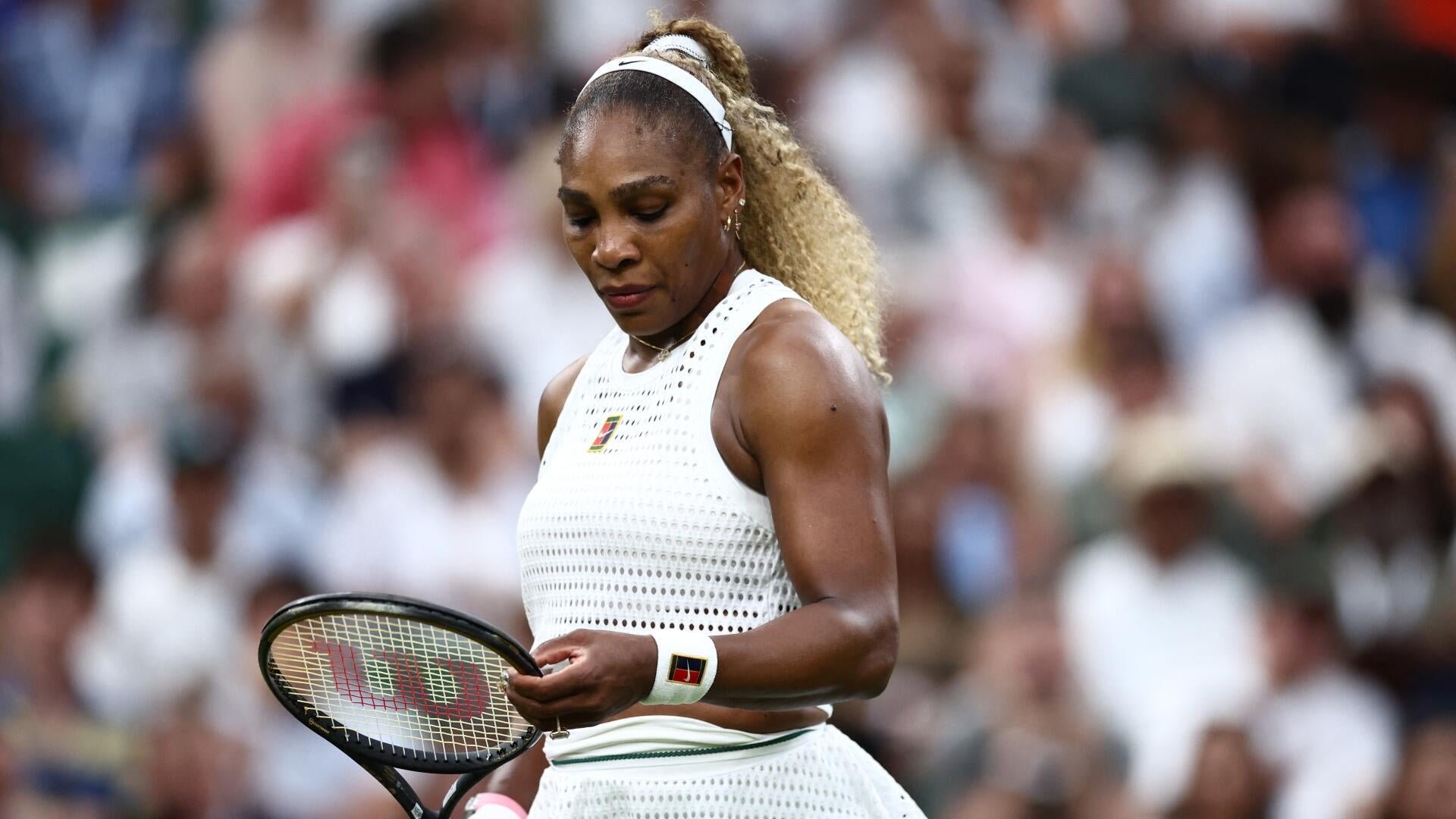
The draw for Wimbledon 2026, released 27 June, contained a quiet curiosity beyond the headline names: a stack of top-tier singles specialists also entered the men's and mixed doubles fields. Among them, world-class singles players have publicly treated the second event as a strategic allocation of energy rather than a leisure activity, with one source framing the calculation as a tournament-long return on the lost rest day.
That arithmetic is the story. Doubles, at a slam where the men's singles champion can expect five two-hour-plus matches across a fortnight, looks on paper like a luxury. The ESPN piece dated 2 July 2026 argues the opposite — that doubles entry can be a net positive for top players — and the explanation is more ranking-engineering than romance.
What the doubles field actually buys a singles player
The mechanics are unglamorous. Doubles rankings move on a separate ladder; a deep run in either men's or mixed doubles delivers ranking points without eating into the singles points a player already owns. For a top-30 singles player whose ranking is largely set for the season, that second event functions as a low-risk, ranking-positive side bet. The trade-off is the body: fewer rest days between best-of-five singles matches, more court time on already-taxed joints, and a recovery bill that compounds through week two.
The source notes that the players who pull this off tend to share a profile — established baseline games that survive on grass, doubles-friendly serve-return patterns, and a willingness to play the mixed event with a partner whose own schedule they can manage. The implicit point is that the doubles entry is not a charity exhibition; it is a calculated second stream of ranking points and, by extension, of seeding equity in the slams that follow.
The rest-day problem, in plain numbers
The slam schedule permits only one mandatory rest day across the men's singles fortnight, and the men's doubles draw runs largely in parallel. A player reaching the second week of both draws will, on average, face an additional three to five matches of competitive load, with travel and warm-up overhead added on top. The source frames this as the central cost of doubling up.
Yet the same source argues the cost is smaller than it looks for elite players. Match minutes in modern men's singles have trended down at Wimbledon — tiebreaks replacing fifth sets since 2019 and quicker court conditions have shortened average match length. The author suggests that, for a top-20 singles player, the additional minutes absorbed by doubles are recoverable within the existing recovery budget of the second week, provided the singles campaign itself ends short of the final.
That qualifier matters. The risk premium is asymmetric: a deep singles run plus a doubles run is the punishing combination, not the doubles run alone. Players aware of that asymmetry will, in practice, treat doubles as insurance against an early singles exit — a hedge, not a co-equal pursuit.
Why the doubles draw keeps growing
The men's doubles draw at Wimbledon already allows 64 teams, with the mixed event adding 32 pairs. In an era when singles prize money dwarfs doubles purses, the continued willingness of singles stars to enter both is not about money. It is about three quieter incentives.
First, ranking points compound. A player who defends a quarter-final in singles and adds a third-round doubles run effectively prints two parallel lines on the computer. Second, the doubles draw offers reps on a grass surface where practice weeks are famously short. Third, doubles is a public audition for prospective mixed-doubles partners — a soft market in which reputation travels through one fortnight of shared tennis. Each is small; together they add up.
The source is explicit that this pattern is not new, but the depth of top-singles participation has thickened as the physical cost of a slam fortnight has, by several measures, come down. The 12-12 tiebreak in the fifth set, in force since Wimbledon 2019, has eliminated some of the marathon-risk that historically deterred doubles entries from ageing singles specialists.
What remains uncertain
The arithmetic the source sets out assumes the singles run is short of the final. If a top player reaches the second Sunday of Wimbledon and has been playing doubles in parallel, the recovery picture is murkier than the article's generalisations allow. The piece does not break out the late-stage load on a finalist who has also played a full doubles campaign; it gestures at the problem rather than quantifying it.
A second uncertainty is mixed doubles specifically. Mixed entries often pair top singles players with established doubles specialists, a configuration that reduces the on-court load on the singles player but adds the social and scheduling complexity of a partner. The source flags this dynamic but does not weigh it. Readers should treat the doubles-vs-singles calculation as a singles-only ledger for the men's draw and a separate, partner-dependent ledger for the mixed event.
The bottom line: Wimbledon has not asked its singles stars to choose, and an increasing number of them are calculating that the answer is both — at least until the second week forces their hand.
— Monexus staff note: this piece foregrounds the strategic, ranking-driven case for doubles entry rather than the romantic-narrative treatment the format usually receives from the wires.