Kane's brace drags England past DR Congo as World Cup knockout test begins
Harry Kane's second-half double overturned a stubborn DR Congo to send England into the last 16, but the performance left Tuchel with more questions than answers.
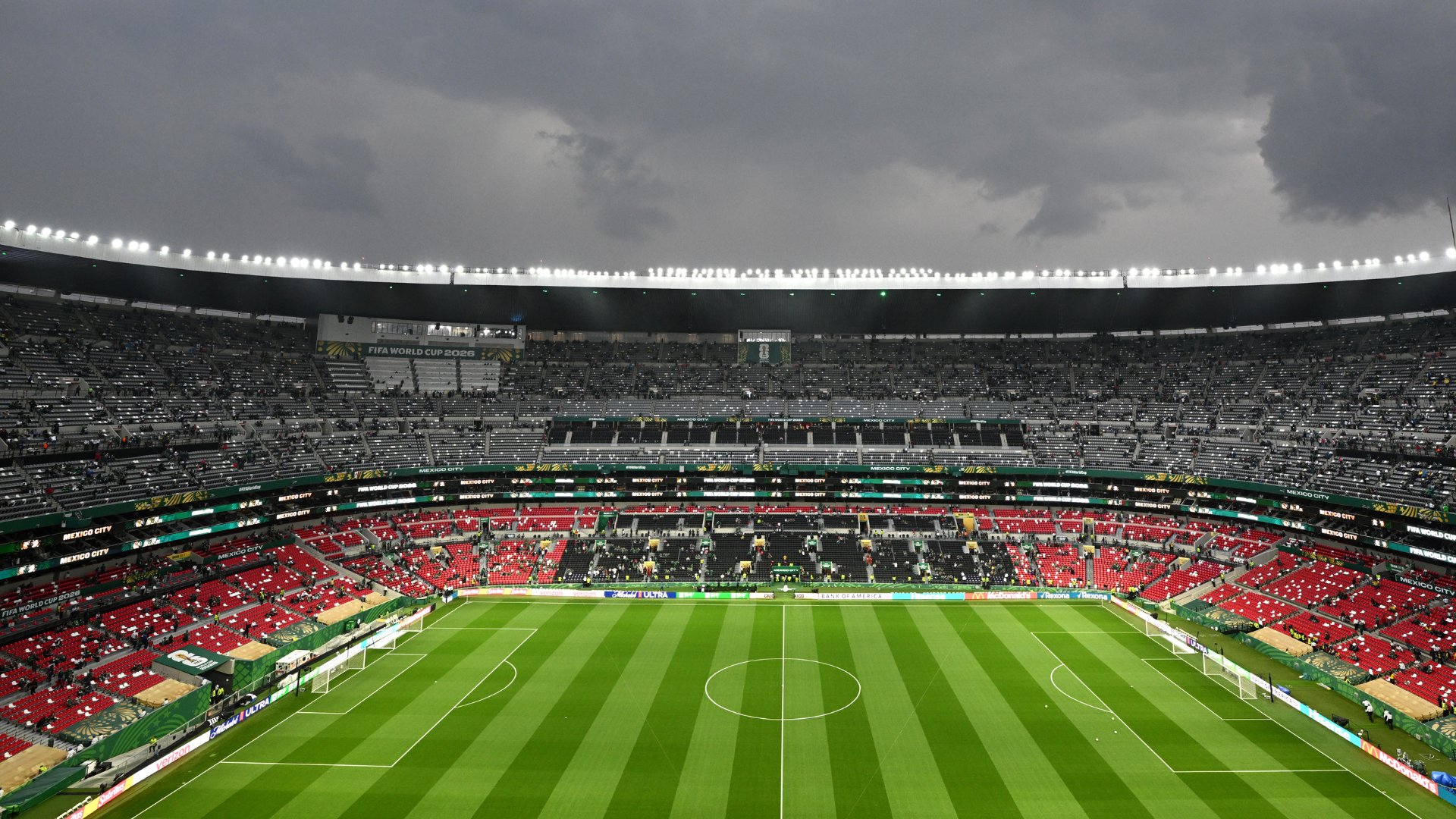
Harry Kane scored twice in the second half to flip a one-goal deficit into a 2-1 win over the Democratic Republic of Congo on Wednesday, propelling England into the round of 16 at the 2026 World Cup. The result spared Thomas Tuchel's side a sharper reckoning with their own underperformance, even as it confirmed the suspicion that knockout football will demand a different England from the one that finished the group stage on autopilot.
The match, played in front of an unmistakably pro-Congo crowd in the United States co-host venues, asked a straightforward question of the pre-tournament favourites: what happens when an opponent refuses to sit back and wait to be passed into a coma? DR Congo's answer, for 55 minutes, was to outrun, out-press and out-think the side ranked among the tournament's elite. By the time Kane steered England level, the structure of the evening had already been exposed. England progressed. Whether they improved is the more interesting question.
What actually changed
For an hour, the difference between the two teams was not talent. It was tempo. DR Congo played as if they had studied England's slow-burn group-stage wins and concluded that the only way to unsettle them was to never let them settle. Midfield runners arrived a half-second early. Wide players tracked back. The centre-backs stepped into midfield to compress the play. BBC Sport's pre-match scouting note had warned precisely of this: an opponent who could carry the ball through the lines and who would not treat possession as a chore.
England's goal arrived not from control but from individual intervention. Kane, who had been peripheral in open play for most of the evening, took the chance to remind everyone why tournament football so often bends around him. The equaliser was the sort of finish a striker scores when the rest of the side has run out of ideas. The winner, a few minutes later, was the kind of finish a striker scores when the rest of the side has rediscovered them.
The uncomfortable counter-narrative
The wire frame around the result will read as comeback-as-character: England weathered the storm, the captain delivered, the favourites live to fight another round. That is the easy read, and it is not wrong. It is, however, incomplete. DR Congo did not simply fall behind and fail to recover. They were the better side for large stretches, and the scoreline flattered England precisely because knockout football is unforgiving of minutes-long lapses, not because the side that lost was the inferior one.
There is also a sober counter-read on what this means for the bracket. England have now reached the knockout phase without once looking like a side that has solved the question Tuchel was appointed to answer: how to turn a talented, expensive squad into one that plays with the controlled aggression the tournament demands. The group stage was negotiated. It was not dominated.
What this sits inside
The pattern is older than this tournament. European heavyweights arrive at World Cups carrying the assumption that the second round is theirs by right, and routinely find that the sides emerging from the African and Asian confederations treat the round of 32 as a final rather than a waypoint. DR Congo's showing sits inside a broader shift in which teams from outside the traditional power corridors treat possession football as a problem to be solved rather than a fate to be accepted. England's next opponent, whoever it is, will have watched the same tape.
There is also a structural story about squad construction. Kane remains, at 32, the side's only reliable goalscoring outlet in high-leverage moments. The supporting cast — and the bench Tuchel sent on in the second half — is built for possession, not for the chaotic, end-to-end contests the knockout rounds tend to become. That is a design choice, and it is one the next ninety minutes will either vindicate or expose.
Stakes, and what we do not know
What we know: England are through. Kane has goals. The squad has, narrowly, avoided the kind of result that ends a tournament before it begins.
What we do not know, and the sources do not specify: the shape of the round of 16 opponent; whether Tuchel will adjust his system to meet the tempo problem DR Congo exposed; whether the midfield combination that struggled for an hour will be retained. The wire copy so far has been focused on the comeback, not on the underlying imbalance. That imbalance is the story of the next week, whether England choose to address it or not.
For now, the headline belongs to Kane and to a side that found a way to win without playing well. The harder question — whether that is sustainable across three more rounds — is the one that will define England's tournament from here.
This article is built from BBC Sport's pre-match scouting note published at 10:36 UTC on 1 July 2026 and Al Jazeera English's match report published at 23:56 UTC on 1 July 2026. Monexus has framed the result as a tactical as well as a scoreline question; the wires have led with the comeback narrative.
Wire provenance
This editorial synthesis draws on the following public wire/social posts:
- https://t.me/aljazeeraglobal