England into the last 16 — and into a resale market that asks fans for £2,600 to follow them
Harry Kane's double sent England through to face Mexico — and handed supporters a second, quieter problem: Fifa's official resale floor for Atlanta stands at roughly £2,600 a ticket.
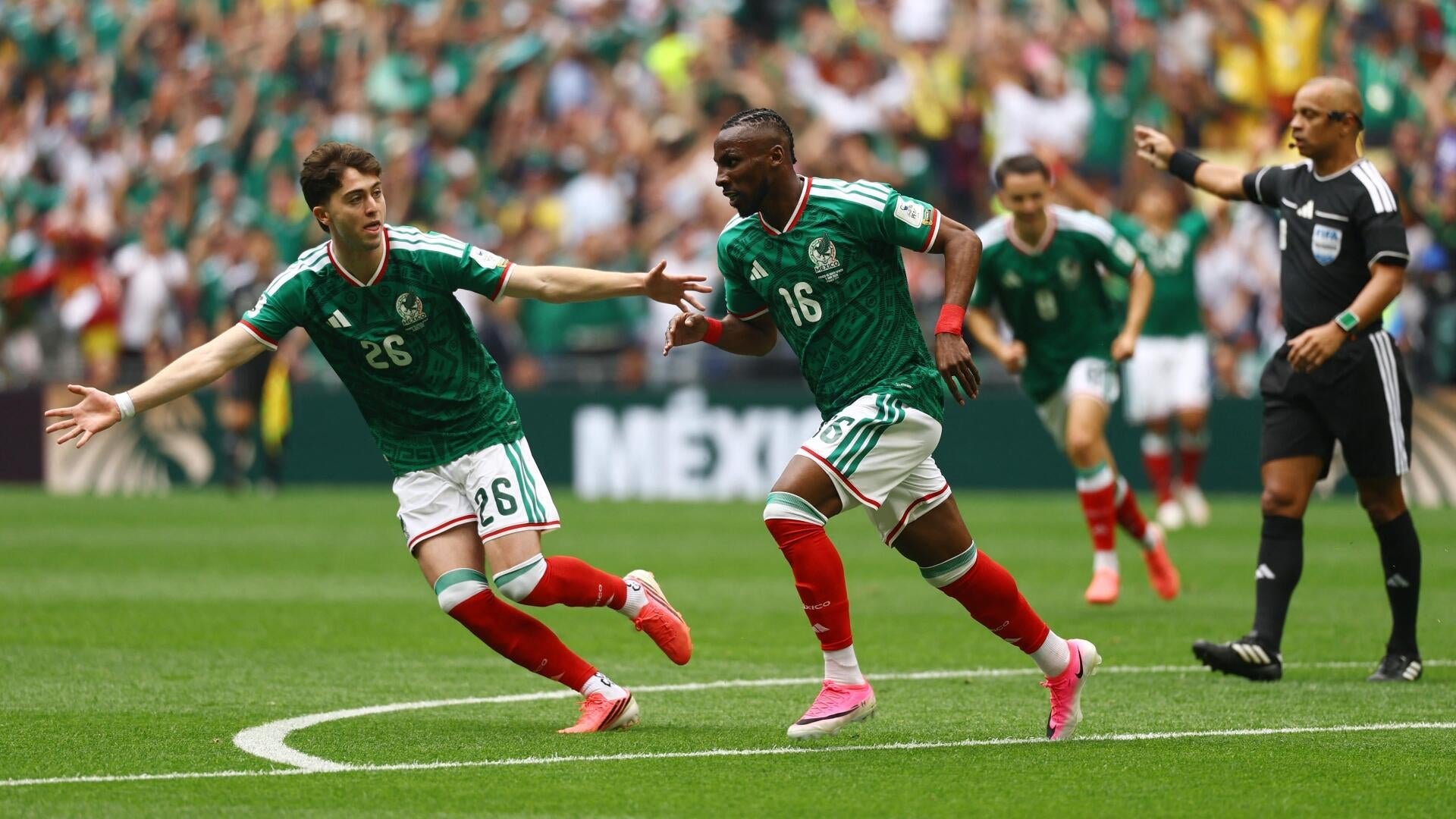
England spent much of their final group match in Atlanta on the back foot. Then Harry Kane scored twice — the second, in stoppage time, the kind of strike a BBC Sport commentator described on 1 July 2026 as "a rocket" — and the script flipped. By full-time, the side had come from behind to beat DR Congo, sealed a place in the World Cup round of 16, and handed its travelling supporters a fresh logistical problem on top of the emotional one.
That problem is price. BBC Sport reported on 2 July 2026 that England fans hoping to attend the knockout tie against Mexico face paying a minimum of £2,600 for a single ticket on Fifa's official resale platform. The figure is a floor, not a ceiling, and it lands at the precise moment supporters most need certainty: kick-off is days away, and the match is, on paper, the highest-stakes England have played in the tournament so far.
This publication reads the ticket question as the more telling story of the two. A win-and-advance narrative is the kind of thing tournaments generate every four years; a tournament's resale floor is what tells you who the event is actually built for.
The football: how England got out
England's path through the group was settled in a tense match against DR Congo in Atlanta on 1 July 2026. Kane's opener came after the hour; his late second swung the game after the Leopards had looked capable of taking a point back to Kinshasa. BBC Sport's match report records the comeback and the knock-on effect: a round-of-16 meeting with Mexico.
A separate BBC Sport tactical piece, published the same evening, tries to draw the lessons. England's control in central midfield was intermittent. The DR Congo attack, organised and direct, forced errors that an established knockout opponent will punish. Whether the tactical balance sharpens in time for Mexico is the live question in the English press.
Then there is the small, persistent asterisk. Late in the first half, DR Congo goalkeeper Lionel Mpasi appeared to bring Kane down in the area; England's penalty appeals were waved away. BBC Sport's contemporaneous note records the incident, not the decision's internal reasoning. In a tournament that has already generated its share of officiating controversy, the episode is a reminder that a referee's room can shape a nation's run as decisively as a striker's boot.
The Mexico fixture, scheduled next in the knockout bracket, brings its own scouting file. BBC Sport's pre-match guide published late on 1 July 2026 sketches an opponent comfortable on the counter, physical at the back, and difficult to dislodge once they have settled into a low block. England will be favourites in name; on the evidence of the group stage, they will not be favourites on autopilot.
The market: what £2,600 actually buys
Resale floors for marquee fixtures at World Cups have become a recurring editorial story; this tournament has produced its share. The BBC's reporting on 2 July 2026 puts the England–Mexico floor at £2,600, with the obvious caveat that the price reflects demand Atlanta's infrastructure cannot meet, not a sticker chosen by Fifa's ticketing team in a back office. The resale portal is run by Fifa; the supply is whatever the primary market failed to absorb.
Two dynamics are worth naming. First, the floor is set by what the marginal bidder will pay, not by the average supporter. Once the cheapest viable seats are bought by resellers who intend to hold or list, the platform's "minimum" becomes whatever the next cheapest live listing is. Second, the headline figure does not include travel, accommodation, or the unrecoverable cost of time off work for a match whose date has, until qualification, been a moving target. For a three-figure-income supporter in the UK the trip is functionally closed off; for a corporate hospitality buyer it is a line item.
What does this mean in practice? A fan who entered the original sales ballot for a venue she never reached — and now wants to follow England — has three options: pay the floor, travel without a ticket and watch on a screen in Atlanta, or stay home. Each is a worse outcome than the system nominally promises.
The second-half question: did the hydration breaks turn it?
A more pedestrian curiosity has emerged in BBC Sport's coverage. England's equaliser against DR Congo came shortly after a hydration stop; the winner arrived in stoppage time that itself sat inside the cooling window the rules now mandate. BBC Sport's piece on 1 July 2026 asks, with appropriate caveats, whether the breaks gave England an outsized reset.
The temptation to read too much into the timing should be resisted. Modern elite sides train for the disruption; the marginal benefit, if any, falls on the side that has more possession to manage in the first place. The honest answer in the BBC framing is: maybe, but the sample is a single match, and the stronger read is that Kane scored twice and DR Congo did not.
What to watch before kick-off
Three things will tell us whether the Mexico tie becomes a referendum on the manager or a continuation of the group-stage wobble. First, England's defensive line against a Mexico side that prefers to break from deep — the back four's discipline has been the most uneven element of the campaign. Second, the midfield's handling of transitions; DR Congo exploited the spaces in front of the centre-backs, and Mexico's wide attackers will know where to look. Third, how Tuchel manages Kane. His captain has scored four of the side's goals in the tournament; reliance of that kind is both an asset and a vulnerability depending on who is marking him in Atlanta.
Beyond tactics, there is the structural one. A tournament that asks working supporters for the price of a used hatchback to attend a knockout round is not a tournament that needs them in the stands; it is a tournament that has decided its commercial ceiling is more important than its cultural claim on the public. England will play Mexico as planned. The question that survives the final whistle is whether the next World Cup's organisers will have read the room.
This article treats Fifa's resale floor as the more durable story; the BBC's wire reporting tracks both, and the official reseller is the only verifiable price reference in the public record at time of publication.