Mitchell Robinson joins Celtics on $47.4M deal as Bulls land Norman Powell
Two Western Conference contenders reshaped their frontcourts on 1 July 2026, with Mitchell Robinson leaving a Knicks title team for Boston and Norman Powell heading to Chicago.
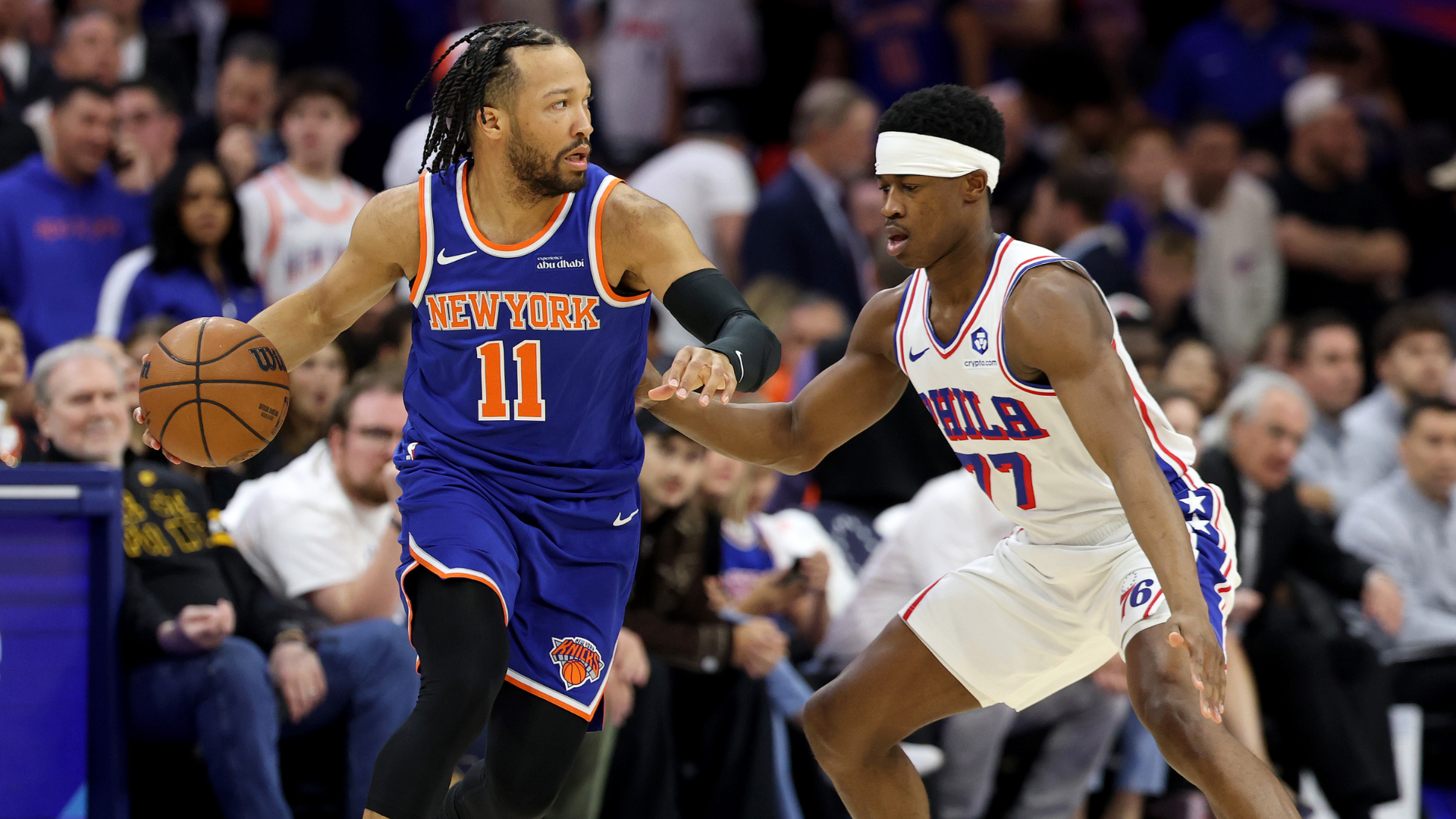
The NBA's free-agency window opened its most consequential 24 hours of the off-season on 1 July 2026, as two veteran starters changed addresses in the East. Centre Mitchell Robinson, fresh off winning a championship with the New York Knicks, agreed to a three-year, $47.4 million contract with the Boston Celtics, sources told ESPN's Shams Charania at 16:47 UTC. Hours earlier, at 14:52 UTC, free-agent guard Norman Powell had agreed to a two-year, $45 million deal with the Chicago Bulls on the same sourcing chain.
The two moves land on the same day and at almost identical annual values — roughly $15.8 million for Robinson, $22.5 million for Powell — but they pull in different directions. Boston is swapping interior defence and rebounding for a title-tested veteran whose offensive game is narrower than his predecessor's. Chicago is buying shot-creation and wing scoring for a roster that has spent the better part of a decade searching for a perimeter closer.
Robinson in Boston: defence first
Robinson's case is straightforward. He is a centre who does not need the ball to justify his minutes — a rim-runner, a lob threat, and one of the league's better positional rebounders. The Celtics, by contrast, are a perimeter-heavy team built around ball-screen creation and switchable wings. The fit question is not talent; it is geometry.
For Boston, the bet is that Robinson's defensive paint coverage and offensive rebounding can blunt the minutes lost from the centre they had been running out. The dollar figure — $47.4 million over three seasons — is the kind of mid-tier commitment that front offices make when they believe a player has been undervalued by his previous team, and Robinson, despite a championship, was widely viewed around the league as a player whose role did not scale with his box-score production.
Powell to Chicago: a perimeter bet
The Bulls move is a different calculation. Norman Powell has built his reputation as a pull-up scorer — a guard who can manufacture mid-range and three-point looks against set defences, and who has held up as a secondary or tertiary option on deep playoff runs. At 14:52 UTC on 1 July, ESPN reported the agreement on a two-year, $45 million deal.
Chicago's roster has lacked exactly that profile. The Bulls have cycled through guards capable of running an offence; what they have not had is a wing who can create his own shot when a possession stalls. Two years is short for a player of Powell's calibre, which suggests either mutual optionality — both sides keeping leverage for a 2028 cap spike — or a front-office reading of Powell's market that may not survive contact with the broader bidding environment.
The counter-read: overpays or alignment?
The cynical read on both deals is the one already circulating in front-office circles: two teams overpaying, in average annual value, for players whose best-case outcomes are role-player contributions. Robinson's offensive limitations have been documented across two contracts; Powell's injury history is the kind of fact a database can produce in seconds.
The less cynical read is that both front offices are paying for fit, not for ceiling. Boston does not need Robinson to expand his game; it needs him to do what he already does, only in a different uniform. Chicago does not need Powell to become a number-one option; it needs a closer who can absorb possessions the rest of the roster cannot.
That tension — paying for known quantities in a market that increasingly rewards unknown upside — is the structural backdrop to most of the league's July moves, and it shows up plainly in the structure of both deals. Three years for Robinson gives Boston optionality; two years for Powell gives Chicago an exit.
What remains uncertain
The ESPN sourcing on both deals attributes the figures and the terms to "sources" speaking to Shams Charania. None of the language in either report indicates that the contracts have been formally signed or that the NBA has processed them — a routine gap between agreement and announcement that has produced premature reports in past off-seasons. Roster mechanics, cap implications and any potential sign-and-trade structures were not addressed in the initial ESPN items.
What is also not yet visible is how the moves sit alongside other East-business: whether the Knicks have a replacement centre plan, whether Chicago has cleared the cap space to absorb Powell's full contract without further moves, and whether either deal triggers a downstream trade. Those questions, which will shape the second half of free agency, are not answered by the 1 July reporting.
Desk note: Monexus has treated both deals as sourcing-chain-confirmed agreements rather than formal signings, reflecting the difference between "agreed to" and "signed." The two reports together illustrate a free-agency day defined less by superstar movement than by veteran-for-need trades at the mid-tier, where front offices are increasingly willing to pay for known production over speculative upside.
Wire provenance
This editorial synthesis draws on the following public wire/social posts:
- https://en.wikipedia.org/wiki/Mitchell_Robinson
- https://en.wikipedia.org/wiki/Norman_Powell