Ronaldo set to walk away from Portugal duty after World Cup, Marca reports
Marca reports Cristiano Ronaldo will retire from Portugal duty after the 2026 World Cup, but the captain and the federation have yet to confirm the framing on the record.
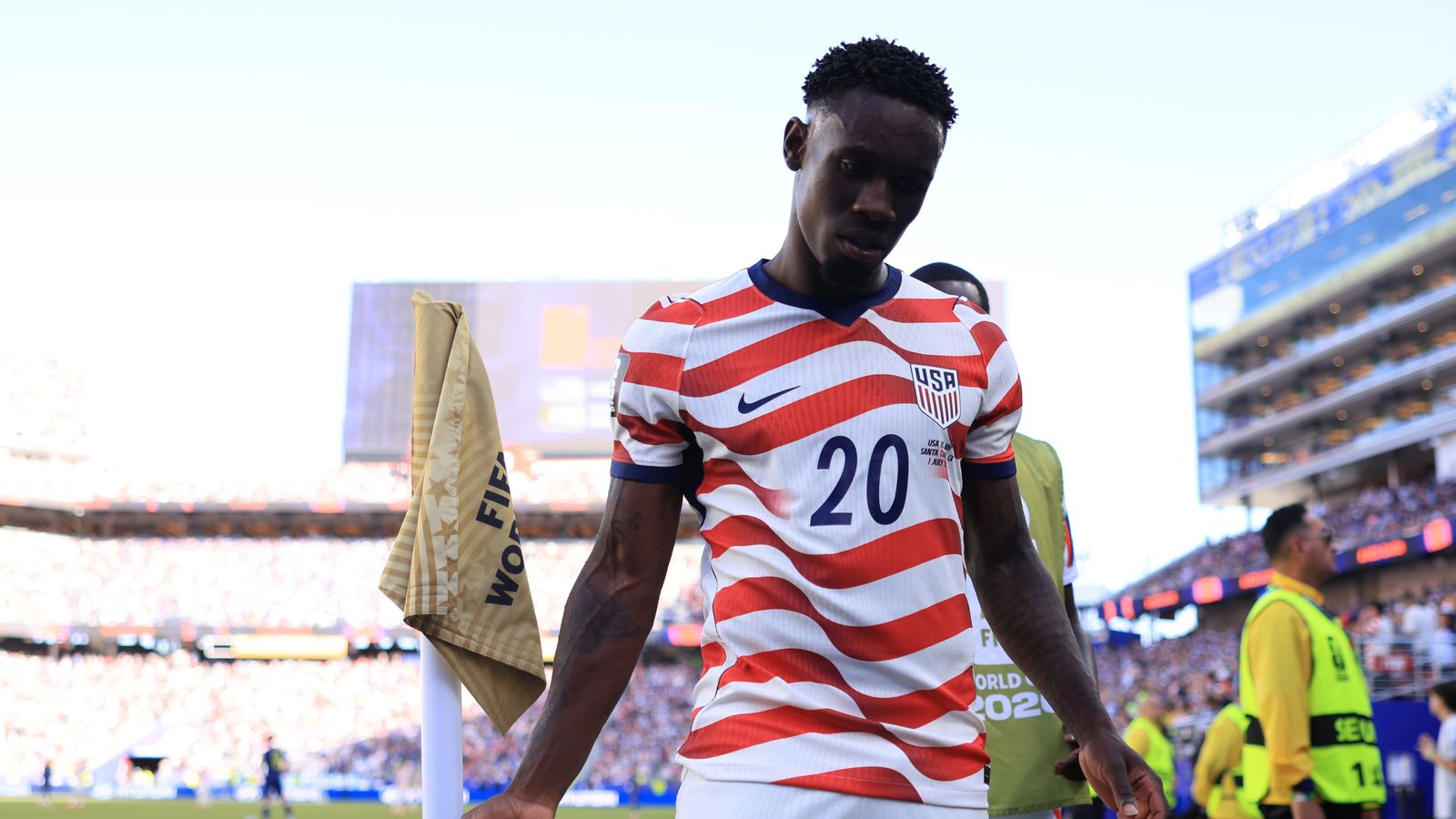
Cristiano Ronaldo is preparing to bring the curtain down on his international career after the 2026 World Cup, according to a Marca report that has yet to be confirmed on the record by the player or by the Portuguese Football Federation. The story, surfaced on 2 July, frames the decision as the forward's own rather than one imposed by coach Roberto Martínez or by any dressing-room rupture. The principal caveat is the absence of an on-record Ronaldo quote: as of publication, no Portuguese outlet has carried a sit-down or a written statement from the captain himself, and the federation's communications channels have not amplified the Marca framing.
What Marca actually says
The Spanish daily's read is that the upcoming World Cup will be Ronaldo's last as a Portugal international, and that the choice has been made in the calm after a qualifying campaign that quieted debate about his starting place. The framing is consistent with the captain's public posture over the last three years: a player who treats every major tournament as a probable farewell without ever using the word. Marca has covered similar beats around Ronaldo before, and the paper is treated inside Spain as a credible first-stop for Real Madrid-adjacent news rather than a fringe outlet, which is why the wire services are picking up the headline rather than the substance.
Why the timing matters
Portugal enter this tournament in unusual shape. Martínez, the former Belgium and Everton manager appointed in 2023, has rebuilt the side around a younger spine, with Rafael Leão and Gonçalo Ramos carrying goalscoring responsibility that once sat squarely with the captain. Ronaldo still starts, still takes penalties, and still leads the line in most projections; what has shifted is the expectation that the team can win a knockout game without him scoring. Marca's timing, two days before Portugal's opening fixture window of the summer, is a news-management choice: it lands the exit narrative while the squad is still in pre-tournament mode and before any tournament result can crowd it out.
The provenance problem
The story is travelling on aggregator paraphrases and Telegram channels rather than on direct Marca URL embeds in the English-language wire. The originating post on the Spectator Index feed, and the recirculation through Insider Paper and OSINTLive on Telegram, both point back to a Spanish-language report that English-language desks have not yet verified against a primary source. That matters less for the headline claim, which is plausible on its face, and more for the framing details that tend to migrate with these stories: who Ronaldo told first, the role of Martínez, the timing relative to his Al-Nassz contract. None of that has been put on the record by the player or his representatives in the past 48 hours, and the desk is treating it as reported-but-unverified until the federation or Ronaldo's camp issues a response.
The Cristiano Ronaldo problem, again
Portugal have spent the better part of a decade working out how to manage a 40-year-old forward who is still better than most of his replacements and still wants to start every competitive game. Martínez's midfield choices, his willingness to use Ronaldo as a pressing reference point, and his late-game substitutions have all been calibrated around a player whose presence is the squad's biggest commercial asset and its loudest tactical variable. An exit announced on the player's terms, after a World Cup rather than before a qualifier, lets the federation control the news cycle and lets Martínez audition a successor in real time. It also lets Ronaldo leave on the upside of selection rather than the downside of a squad decision.
The harder question, which Marca gestures at without resolving, is whether Portugal are genuinely a better side without him. The team has not lost a competitive game in 2025-26 that Ronaldo did not start, and Martínez's late-tournament substitutions at major championships have rarely tilted games. The next two weeks will be the cleanest read on the gap between Portugal-with-Ronaldo and Portugal-after-Ronaldo that any selector has had, because Martínez has chosen to bring the captain rather than rest him. If Ronaldo walks after this tournament, he walks having played, and the answer to the post-Ronaldo question will have been delivered on the pitch rather than in the press.
What to watch before kick-off
Three signals will firm up or soften the story in the next 48 hours. First, a direct Ronaldo post on his verified social channels, which is where he tends to break personal news and where the federation would likely coordinate. Second, a line from Martínez at his pre-tournament press conference, where questions about squad composition usually double as questions about the captain's role. Third, any move from the Portuguese FA's comms team to amplify or ignore the Marca framing, because silence on a story this big is itself an editorial choice in Lisbon.
The base case is unchanged from before the Marca story broke: Ronaldo is on the plane, Ronaldo starts, and Ronaldo is the centre of Martínez's attacking plan. The new variable is the exit date, and whether the announcement comes from the player, the federation, or the Spanish press first. Watch for the first two; discount the third as background until corroborated.
Sources:
- https://twitter.com/spectatorindex/status/207280509676177843
- https://t.me/insiderpaper
- https://t.me/osintlive
- https://www.theguardian.com/football/live/2026/jul/04/paraguay-v-france-world-cup-last-16-live
- https://www.bbc.com/sport/football/articles/cn7dvd3d9e2o
- https://www.theguardian.com/football/2026/jul/04/morocco-reach-quarter-finals-as-co-hosts-canada-knocked-out
Desk note: Monexus is leading on the originating Spanish report rather than on aggregator paraphrase, and flagging the absence of an on-record Ronaldo quote as the principal caveat in the story.
- https://twitter.com/spectatorindex/status/207280509676177843
- https://t.me/insiderpaper
- https://t.me/osintlive
- https://www.theguardian.com/football/live/2026/jul/04/paraguay-v-france-world-cup-last-16-live
- https://www.bbc.com/sport/football/articles/cn7dvd3d9e2o
- https://www.theguardian.com/football/2026/jul/04/morocco-reach-quarter-finals-as-co-hosts-canada-knocked-out