Russia's 2 July barrage lays bare a strategic problem Moscow keeps refusing to solve
A combined drone, ballistic and cruise-missile attack on Kyiv in the small hours of 2 July produced familiar wreckage. The harder question is what Moscow thinks it is doing.
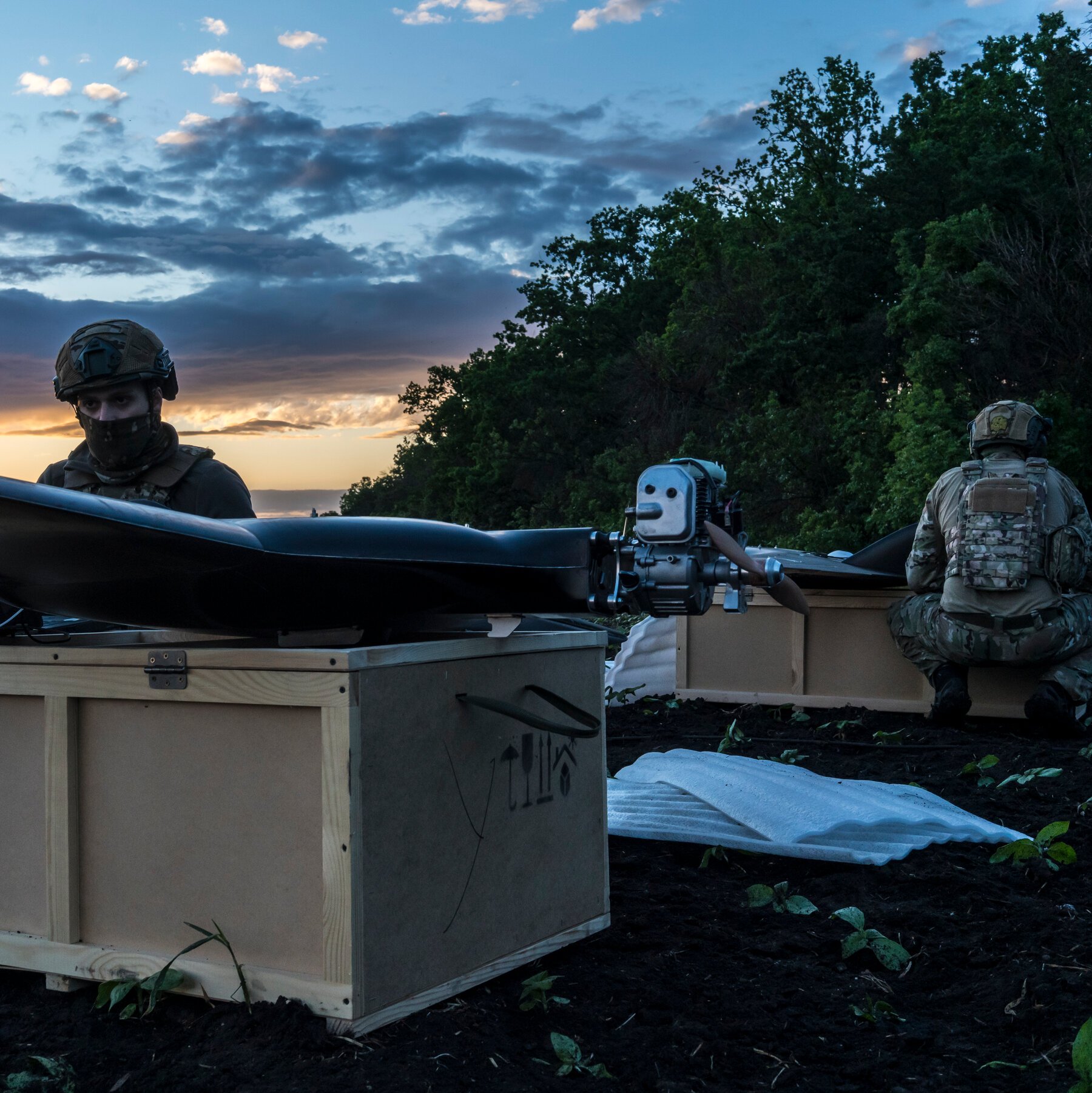
Just after midnight on 2 July 2026, air-raid sirens sounded across Kyiv and the surrounding region as Russia launched what Ukrainian reporting calls one of the largest combined attacks of the war: drones, ballistic missiles and cruise missiles incoming in salvos, with houses destroyed, fires reported across multiple districts and casualties mounting through the early morning.
What does Moscow imagine this buys it? That is the harder question than the one Western commentary usually asks. The routine reflex — to note Vladimir Putin's "barbarism," express solidarity with Kyiv and move on to the next crisis — leaves the underlying strategic illogic unexamined. Massed strikes on a defended capital do not break Ukrainian will; every previous wave has hardened it. They do not collapse Ukrainian air defence, which has been rebuilt around Western systems and Western-supplied interceptors. They do not move frontline positions, where Russian gains measured in 2026 have been measured in metres per week. Yet Moscow keeps returning to the same playbook, because it has run out of better ideas.
The pattern that should worry Moscow
The 2 July attack fits a template now more than four years old. Initial Ukrainian reporting from TSN, drawing on its own correspondents and emergency services, describes a wave combining Iranian-designed Shahed-type one-way attack drones with ballistic and cruise missiles — the layered architecture first refined in autumn 2022 and now standard for what the Russian military calls a "combined strike." Defenders cannot treat drones and manoeuvring missiles interchangeably; each tier forces a different interceptor decision, which is exactly the point. The cost to Russia of one Shahed is a fraction of the cost to Ukraine of a Patriot or IRIS-T round. At scale, that arithmetic is meant to exhaust air defence, not defeat it in a single night.
It is not working.
What the counter-narrative misses
The Western wire frame on these strikes is by now well-rehearsed: Russia the aggressor, Ukraine the victim, the world urged to keep supplying interceptors. That frame is correct as far as it goes. What it leaves out is the equally correct counter-reading from analysts who track the Russian military more closely than the wire desks do — that Kremlin planners themselves appear to know this template is failing. Russian milbloggers cited in earlier Monexus reporting have openly questioned why the air force keeps expending high-end cruise missiles against apartment blocks in Kyiv's Sviatoshynskyi and Shevchenkivskyi districts when the same missiles would have greater effect against fuel depots, rail nodes or ammunition sites deeper in the operational rear.
Either the Russian military cannot reliably hit those targets — which is a serious admission about guidance and reconnaissance losses — or the political leadership has chosen symbolic terror over military effect. Both readings are unflattering. Neither is comforting to anyone in Kyiv.
The structural picture, in plain terms
What we are watching is a long war being fought by an aggressor whose offensives have stalled, whose defence industry is working double shifts but cannot produce at the pace of consumption, and whose coercive toolkit — energy blackmail, hybrid operations, information warfare — has been blunted by years of sanctions and Ukrainian adaptation. Massed strikes on cities are the tool left when the decisive tool is gone. They serve a domestic-political audience that has been told this is a short, special operation that is now in its fifth year. They do not serve a military trying to take Donetsk oblast.
The Kremlin's information system can absorb the footage from 2 July and present it as evidence of resolve. Ukrainian command absorbs the same footage and adjusts its dispersal patterns, mobile-air-defence deployments and civil-defence protocols. Over time, the second adaptation compounds; the first does not.
What remains uncertain
The sources available from the overnight reporting do not yet specify the full casualty count, the type-by-type missile inventory used, or whether Ukrainian air-defence interceptors down a meaningful share of the incoming salvo or whether Moscow has begun accepting lower interception-acceptance thresholds. Until the morning assessments from the Ukrainian air force and the Kyiv City Military Administration publish fuller detail, claims about the strike's "scale" rest largely on volume and geography rather than confirmed damage tallies. We will adjust.
Stakes, plainly stated
If the trajectory continues, Kyiv absorbs more sleepless nights; Ukrainian interception stocks burn faster than they can be replenished; Russia's defence industry bankrupts itself trying to keep pace; and the political pressure inside Russia to declare some kind of victory intensifies, with escalation risks to match. If Kyiv's partners finally treat interceptor resupply as the load-bearing commitment it is, rather than as a discretionary line item, the arithmetic shifts. The 2 July barrage is not an isolated atrocity. It is the visible surface of a long war that both sides are tired of, conducted in different registers of exhaustion.
Desk note: this piece leads with Ukrainian reporting on the overnight attack and reads the strike against the longer arc of Russian strategic failure on the ground. Coverage that treats these raids purely as episodic humanitarian horror misses the question Moscow itself has not answered.
Wire provenance
This editorial synthesis draws on the following public wire/social posts:
- https://t.me/tsnua/34362
- https://t.me/tsnua/34360
- https://t.me/tsnua/34358
- https://t.me/tsnua/34356
- https://t.me/tsnua/34354
- https://t.me/tsnua/34352