Sainz and Cadillac roll out Silverstone liveries as F1's British weekend takes shape
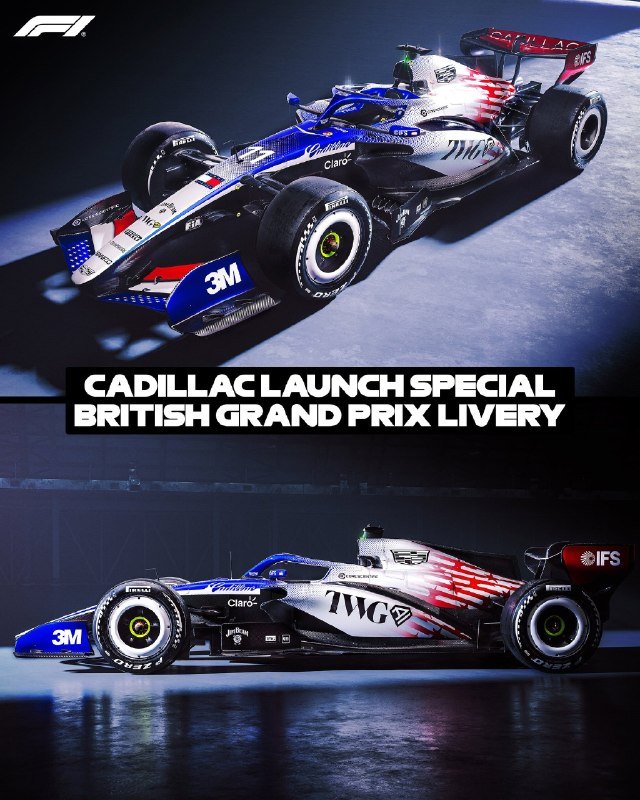
Two liveries, one race: Carlos Sainz reveals a pepper-themed helmet for the British Grand Prix while Cadillac unveil a star-spangled scheme for their Silverstone debut.
Carlos Sainz pulled the wraps off the helmet he will wear at the British Grand Prix on 2 July 2026, opting for a pepper-themed graphic in place of his usual scheme for the Silverstone round. The reveal, distributed via the official Formula 1 Telegram channel, lands a day after the sport's newest entrant, Cadillac, showed a star-spangled livery of its own for the same weekend.
The two reveals bookend a calendar moment that has become a quiet merchandising ritual on the F1 circuit: teams and drivers using British Grand Prix week to ship one-off liveries, helmets and caps designed to sell to a home crowd that turns Silverstone into the season's biggest gate. Sainz's move is the more individual statement; Cadillac's is the more institutional one — a U.S.-backed team putting itself in front of the championship's most international audience on only its second race weekend.
The helmet: Sainz's Silverstone signature
Sainz, who races for Williams in 2026, has long used helmet art to mark the circuits he cares most about. The British Grand Prix has been a recurring canvas, with the Madrid-born driver previously running British-flag motifs and St George's Cross colourways. This year's design — a red pepper rendered in thick, comic-strip line work against a darker base — leans into his national symbol while staying loud enough to read on a helmet-cam at 320 km/h. The image was posted to the Formula 1 Telegram channel at 09:38 UTC on 2 July 2026.
The commercial logic is straightforward: limited-edition helmets feed a merchandise pipeline that Williams, like most teams on the grid, runs hard during European summer rounds. The symbolic logic is more interesting. Sainz is in his first season at Williams after a long stint with Ferrari, and Silverstone is the kind of high-visibility weekend where a driver wants to remind the paddock — and sponsors — that he is still a headline act. A custom helmet costs the team little and gives the driver an earned-news foothold in a week dominated by team-cycle coverage.
The car: Cadillac's American flag at Silverstone
A day earlier, at 17:43 UTC on 1 July 2026, Cadillac revealed a "star-spangled Silverstone" livery via the same Formula 1 Telegram channel. The team, which joined the grid in 2026 as the eleventh constructor, has used early-season liveries to telegraph its identity — most prominently the red, white and blue U.S. flag treatment at its launch. The British Grand Prix scheme keeps that flag reference, layered over what the team has described as a special-edition graphic package for the race.
The timing matters. Cadillac's entry to F1 has been positioned by its backers as a long-horizon U.S. industrial project rather than a vanity play. The team is on a multi-year ramp and is widely understood to be paying a premium to enter on technical terms that suit a newcomer — a structural disadvantage that teams typically take several seasons to erode. Silverstone is the first race of the season where the full European audience is paying close attention. Running an unmistakable flag motif at that race is, in effect, a billboard for the project as much as a livery.
What the two reveals say together
Read side by side, the Sainz helmet and the Cadillac livery are doing different jobs. Sainz is selling himself to a paddock that will soon have to decide who fills the few open seats for 2027; a distinctive, photographable helmet is a small but real asset in that market. Cadillac is selling a project — to sponsors, to a U.S. broadcast audience, and to itself — at the moment of the season when impressions cost the most. Both are running the same playbook: maximise attention per pound of design spend during the championship's highest-traffic window.
There is also a quieter signal for the paddock. Silverstone has historically been a race where British teams — and particularly those with wind-tunnel heritage and aerodynamic tradition — try to reset their season. Williams in particular tends to bring upgrades here, and Sainz's visibility week is consistent with a team wanting to point its season in a positive direction in front of a crowd that includes many of its own engineers and partners.
What to watch over the weekend
The livery cycle is now the preview; the substance follows. Practice at Silverstone typically sorts out who has brought working upgrades and who has arrived with paperwork. Cadillac, on only its second race weekend, will be judged less on finishing position than on whether its package survives a high-speed circuit without drama. Sainz, by contrast, will be judged on the metric that always applies to a four-time race winner: can he drag a Williams into the top ten on merit, or at least into the points.
Two pieces of context the reveals do not address. The source material does not specify what upgrades, if any, Williams is bringing to the car this weekend, nor does it give a read on Cadillac's technical trajectory beyond the livery itself. Both of those stories will land in the practice and qualifying sessions that follow. For now, the week begins with paint — and the British Grand Prix's commercial opening act is, as usual, louder than its on-track one.
Desk note: Monexus has framed this as a merchandising-and-narrative story rather than a technical one, on the grounds that the source material consists entirely of livery reveals. Any on-track claims about pace, upgrades or starting positions would not be traceable to the inputs available at publish time.
Wire provenance
This editorial synthesis draws on the following public wire/social posts:
- https://t.me/s/formula1
- https://t.me/s/formula1