USA, England advance as defensive puzzles give way to round-of-32 wins
Set-piece efficiency and depth carry the USA past Bosnia and Herzegovina 2-0 and England past DR Congo 2-1, as both sides move into the last 16.
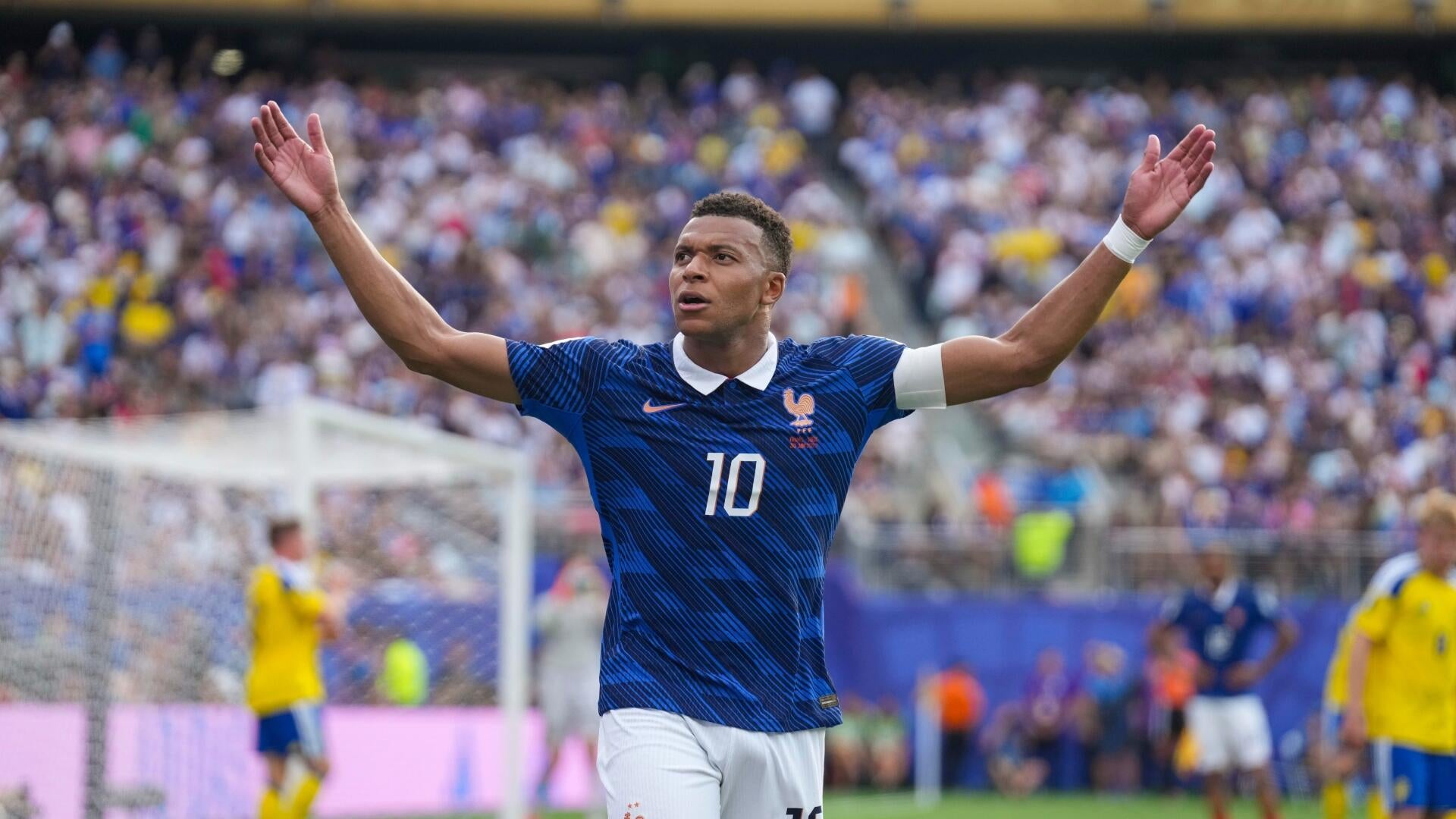
The United States moved into the last 16 of the 2026 FIFA World Cup with a 2-0 victory over Bosnia and Herzegovina in the round of 32 on 1 July 2026, a controlled performance against a side that had been widely tipped to make the occasion awkward. Three and a half hours later, England joined them with a 2-1 win over DR Congo — a tighter, more nervous contest that, on the early evidence, looked closer to a coin-flip than the scoreline suggested.
Set pieces, once again, did the talking for the United States. The pattern that had defined the group stage — patient possession, then sudden punishment from a dead ball — held. Bosnia and Herzegovina's reputation, built through qualifying and preserved into the knockout stage, was for organisation, height, and a willingness to absorb pressure. The United States had already negotiated that kind of test, and they negotiated this one too.
The script for the USA — and why it worked again
The USA entered the match as comfortable favourites to progress, but the scouting briefs were clear: Bosnia and Herzegovina's route into the tournament had been paved on set pieces. ESPN's pre-match analysis on 1 July 2026 flagged that the U.S. would need to handle the "set-piece threat" Bosnia had carried through qualifying — a category of chance that has expanded in importance across the modern game, where small-sided defensive organisation limits open play but cannot legislate for a 30-yard delivery.
The United States had already faced exactly that kind of opponent earlier in the tournament and passed the test cleanly, a precedent that mattered. The 2-0 scoreline suggested a controlled rather than chaotic evening — a knockout match managed as much as it was won.
England needed the second goal more than the first
England's 2-1 win over DR Congo was a different sort of test, and a more revealing one. DR Congo had arrived at the round of 32 as one of the tournament's least predictable opponents — physically imposing, capable on the break, and acclimatised to the pace of a knockout game after qualifying through a competitive African pathway.
The 2-1 scoreline flattered England's control in bursts. What the early minutes revealed was a familiar pattern: a side with top-end talent finding it harder than expected to break down a defence that was happy to defend deep, then attack fast. A 2-1 win in those circumstances tends to read as efficient rather than comfortable — narrow wins of that kind often carry forward, but they also leave a manager with a quiet, private list of concerns.
The structural read of the round
Taken together, the two matches point to a tournament being shaped less by standout individuals than by dead-ball execution and squad depth. The round-of-32 fixtures reviewed here were both won by sides with Premier League-heavy rosters and substantial match-day squad resources. Bosnia and Herzegovina, set-piece dependent and reliant on a smaller pool of starters, ran out of route to goal against a deeper opponent. DR Congo similarly pushed a heavier favourite to the wire but could not finish the project. In knockout football, parity at one end of the pitch is rarely enough when the other end has more solutions.
What the next round looks like
The USA now advances to the last 16 with a profile that will flatter any scouting department: no conceded goals yet that required desperate goalkeeping, set-piece goals banked, and a settled defensive shape. The same metrics, applied to England, are less reassuring — but they are also the metrics of a side that has now learned to win ugly on a night when winning ugly was the assignment.
The first weekend of knockout football, in other words, told a consistent story: the sides that spent the group stage accumulating routine wins tend to keep doing it, and the sides whose only route was a set piece or a counter found those paths narrowed as the margins shrank.
A note on what remains unverified
The thread material available to Monexus at the time of writing did not include minute-by-minute goal logs, official goal scorers, or attending officials. The scorelines are confirmed; the identities of the scorers and the timing of decisive moments have not been independently verified for this piece. Readers looking for a fuller read should consult the tournament's official channels and the wire services filing from the venues.
Desk note: Monexus coverage of this round focused on the tactical patterns the matches revealed — set-piece execution and squad depth — rather than national-achievement framing, which tends to crowd out the granular football decisions that actually shaped the night.