Argentina meet Cape Verde, and the World Cup's strangest mismatch finally has its referee's whistle
On Friday in South Florida, holders Argentina face a debutant island nation in a knockout round most neutrals had not pencilled in — and the gap on paper tells only part of the story.
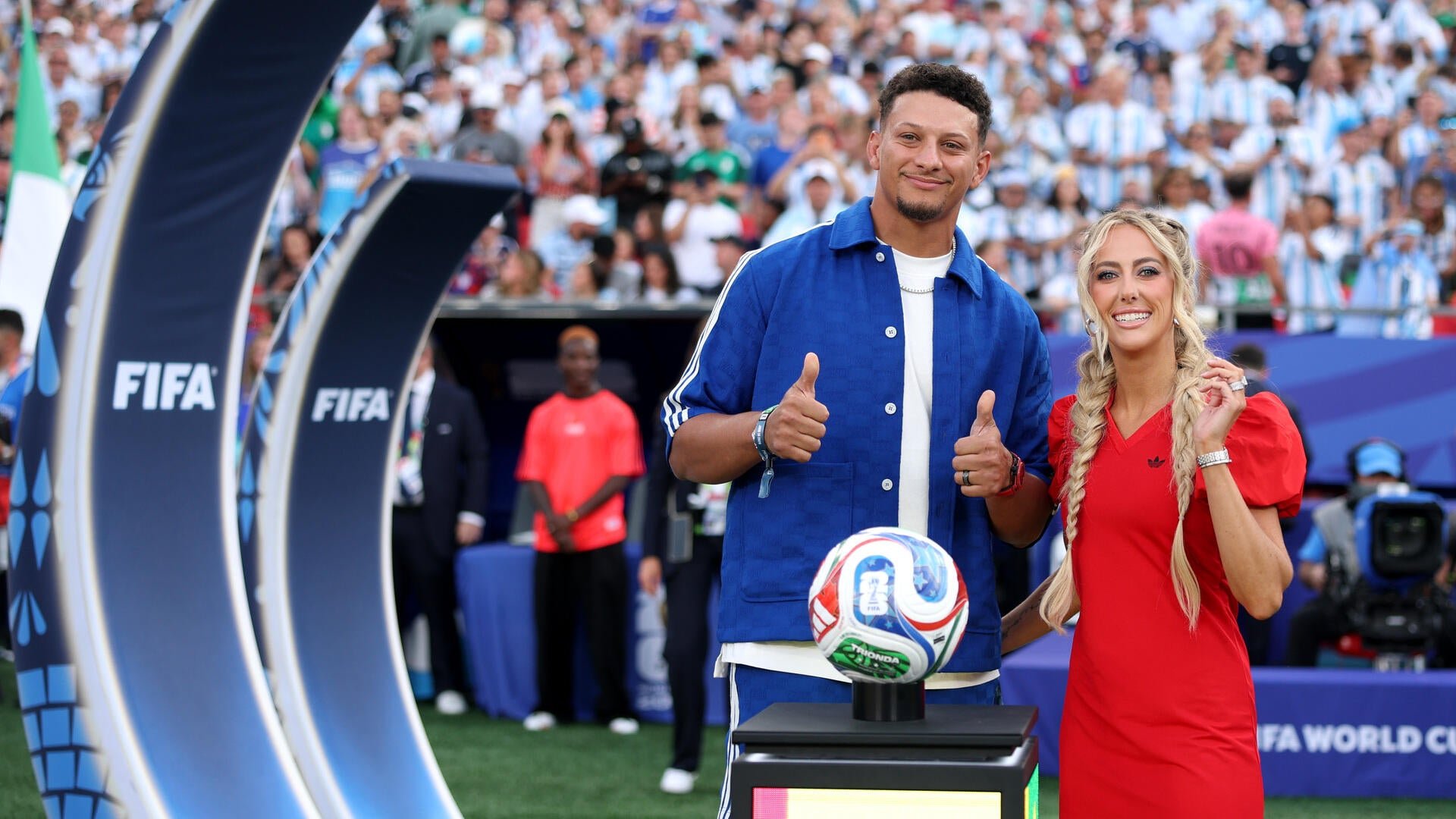
It is, on paper, the most lopsided tie of the Round of 32: the reigning South American champions, holders of the trophy, against an island nation making its first appearance in a World Cup finals. Argentina versus Cape Verde will be played in front of a Florida crowd on 3 July 2026, and it is a fixture almost no neutral would have predicted — yet a fixture that, five days into the tournament's knockout phase, the global audience has begun circling. BBC Sport framed it on 3 July as "the World Cup battle no-one knew they wanted, but which fans now cannot wait to see," and Al Jazeera's live blog, running throughout the evening match, has been tracking how the gap between the two sides is being closed in the forty-eight hours before kickoff.
The mismatch is real, and the structural reasons for it are not flattering. Cape Verde — a ten-island West African state of roughly 600,000 people — qualified for the first time in its history; Argentina have won the World Cup three times and field a forward line still organised around Lionel Messi. FIFA's expansion of the format from 32 to 48 teams has done more than add fixtures; it has widened the door into a tournament that, until this year, had shut out almost every country that had not already produced a recognised professional league. The Round of 32 is the new institution, and it is full of debutants whose talent is undeniable but whose depth is thin by definition.
What the betting line actually says
Cape Verde are a tidy side, not a heroic one. They play with organisation, a compact defensive block, and a willingness to break quickly through the channels, and they arrive as African minnows who have spent the last cycle quietly outscoring the heavierweights of their confederation in qualifying. None of that changes the gap in talent budget. Argentina's attacking unit cost the GDP of Praia several times over in transfer fees alone, and the bench behind Messi includes players who, on any given Champions League night, decide matches that Cape Verde's first-choice eleven cannot reach. The match-up is, in short, the kind of fixture in which one side will be expected to win without needing to be at its best.
The BBC's pre-match build has foregrounded the duel at the heart of it: Messi against Vozinha, the Cape Verde goalkeeper whose role on Friday reduces, in journalism shorthand, to "stop the inevitable." Al Jazeera's live blog has done the same, picking out the scoreboard at the start of the evening rather than any tactical analysis. That framing is honest, but it understates the more interesting question — how many of Cape Verde's players have a chance, individually, to come out of this fixture with their reputations enhanced even in defeat.
The structural frame: a tournament reshaped by expansion
The more durable story sits outside the touchline. By widening the bracket, FIFA has created a category of match that did not previously exist: the formal knockout tie between a serial champion and a debutant. The competitive case for expansion was always that more countries play more matches, and the cultural and developmental case that development money follows exposure. Both arguments survive Friday. The uncomfortable case — and the one Argentina versus Cape Verde illustrates cleanly — is that elite teams now face weaker opposition later in the tournament than they used to, which compresses the competitive test of a knockout round. For neutral viewers the matches can be entertaining for what they reveal about lesser-known sides against top-tier opposition; for the holders, the risk of complacency rises.
This is also the first tournament in which a credible number of small-island and lower-GDP nations reach the round of 32. Cape Verde are joined by Curaçao, by several Pacific and Caribbean sides, and by a long list of African qualifiers whose football infrastructure is real but modest. The corollary is the quiet one: more matches like this one, which means more occasions on which the gap is the entire story.
Counterpoint: where Cape Verde's case has weight
There is a legitimate counter-narrative, and it deserves airtime. Cape Verde are not in this tournament by accident or lottery. They qualified on merit through a Confederation pathway that eliminated far better-resourced sides, and they arrived in the United States with a squad shaped by European second-tier leagues — France, Portugal, the Netherlands, the German lower divisions — in which their players earn professional wages without the celebrity. On their day, organised, with set pieces defended well and counter-attacks taken with conviction, they have shown in qualifying that they can score against anyone. The honest reading is that Argentina are overwhelming favourites and likely to win comfortably; it is not honest to read them as incapable of being made uncomfortable.
What remains genuinely uncertain — and what neither BBC Sport's preview nor the live blog has yet resolved — is whether Cape Verde's manager chooses to sit deep and pray, or to use the tournament's most famous opponent as the occasion to open up. Both approaches have arguments behind them. The first honours the players' defensive qualities and minimises the chance of embarrassment; the second treats a one-off against the holders as the right moment to show what the squad can actually do.
Stakes and what's at risk on Friday
For Argentina, the test is competence and rhythm — a clean sheet, a settled front three, no injuries to key players ahead of the heavier ties in the next round. For Cape Verde, the test is dignity without humiliation: hold shape, take a chance when one comes, and leave the tournament without being cast as the patsy story of the bracket. The wider stakes are gentler. FIFA's expanded format will be measured, in part, by whether matches like this one felt like a cup tie or a procession. Friday will not settle that argument, but it will be a data point in it.
Monexus framed this fixture as a structural story about tournament design, not as a Messi tribute — the wire services have largely gone the other way.
— Monexus Staff Writer, sports desk