Iraq's Tehran funeral flight and the choreography of regional alignment
An Iraqi presidential delegation flew to Tehran on 3 July for the funeral of a senior Iranian leader, a routine diplomatic ritual that exposes the depth of Iraq's political orbit around the Islamic Republic.
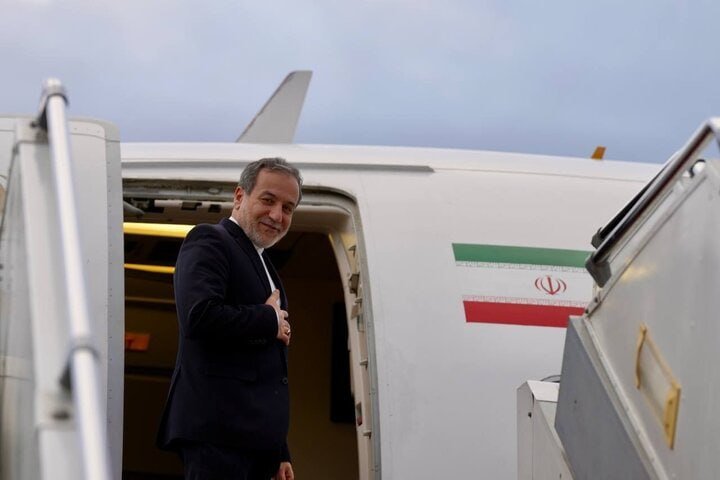
At 06:15 UTC on 3 July 2026, an Iraqi presidential delegation left Baghdad for Tehran, bound for the funeral of a senior Iranian leader killed in the strikes that have reshaped the region over the past week. Iran's Fars News and the English desk of Tasnim both reported the departure within minutes of each other; Tasnim identified Iraqi President Nazar Omidi by name and described the trip as a participation in "the funeral ceremony of the martyred leader." The choreography is familiar, almost formulaic, and that is precisely why it matters.
Funerals in Tehran are not private ceremonies. They are diplomatic theatre in which every handshake, every side-meeting, every carefully arranged camera angle is read for what it says about alignment under stress. Iraq's choice to send the head of state, rather than a foreign minister or a parliamentary speaker, signals the depth of political comfort Baghdad currently has with the Islamic Republic, and the symbolism is deliberate at a moment when Iran's regional posture is being openly contested.
The make-up of the delegation
Tasnim's 06:12 UTC bulletin framed the visit narrowly: a single Iraqi president flying in for a single ceremony. Fars's 06:11 UTC bulletin, posted minutes earlier, cast the wider frame, describing "the arrival of an Iraqi delegation" composed of "political leaders, members of parliament and commanders." Taken together, the two Iranian state-aligned wires suggest Baghdad dispatched not merely a head of state but a stratified cross-section of its political class, with the presidency providing the face, parliamentarians providing the legislative weight, and uniformed figures signalling the security relationship.
The layering is itself the message. Iraq's political system is fractured along confessional and partisan lines; assembling a delegation that visibly includes parliamentarians and security commanders requires behind-the-scenes coordination between blocs that rarely agree on anything. That a delegation of this breadth was put together in compressed time suggests Tehran's funeral register has functions beyond mourning. It is also a venue for quiet reaffirmations between Iraqi factions that share an Iranian patron.
What the framing reveals
Iranian state media's reflexive vocabulary ("the martyred leader," the militant-religious hashtag Tasnim appended to its bulletin) flattens the slain figure into a symbol of resistance. Baghdad's participation ratifies that symbol. Western wire services tend to read such funerals through a security lens — Iraqi sovereignty compromised, Popular Mobilisation Forces still answering to Tehran, Iran consolidating a land corridor to the Mediterranean. Iraqi state-aligned outlets, where they exist in English, push back with the counter-frame: Iraq is a sovereign neighbour expressing condolences, full stop, and the dispatch of a head of state is the courtesy due between capitals.
Both readings are partly right and partly self-serving. The decision to send the president is, on its face, an ordinary diplomatic courtesy between two neighbouring states. The decision to send that particular president, alongside named parliamentarians and security commanders, at this particular moment, is something more. It is a public signal that Baghdad's political centre of gravity remains tilted east, even as the United States and the Gulf states compete for the same Iraqi ear.
What remains uncertain
Neither Fars nor Tasnim discloses the size of the delegation, the names of the parliamentarians, or the identity of the commanders referenced in Fars's 06:11 UTC bulletin. Independent confirmation from Iraqi official channels (the presidency's own statements, the Council of Representatives' press office, the prime minister's office) has not yet appeared in the thread material reviewed for this article, and the sources do not specify whether Prime Minister Mohammed Shia' al-Sudani or any senior Sunni or Kurdish figure will join the delegation. The framing in Iranian state media is also a framing: "martyrdom" is a political category in the Islamic Republic's lexicon, and its use here is itself a statement about the slain official's status and about the legitimacy of the campaign that produced his death.
The obituary in 24 to 48 hours will likely say more than the departure notice. Which Iraqi faction leaders are photographed standing next to which Iranian officials, and which Iranian ministries and IRGC branches are represented at the ceremony, will be the legible parts of a diplomatic script that is otherwise conducted in private. For now, the visible fact is simply this: the Iraqi presidency has flown to Tehran, on Iranian state media's terms, on 3 July 2026, and Baghdad has chosen not to hedge that fact.
Desk note: this article draws exclusively on Iranian state-aligned wire reporting (Fars News International, Tasnim News English desk) for the facts of the departure, and reads the choreography against the wider pattern of Iraqi-Iranian political coordination. Independent Iraqi and Western-wire confirmation of the delegation's full make-up was not available at the time of publication.
Wire provenance
This editorial synthesis draws on the following public wire/social posts:
- https://t.me/FarsNewsInt
- https://t.me/tasnimnews_en
- https://t.me/FarsNewsInt