MLB Home Run Props: Why Bookmakers Keep Betting on First-Base Platoon Splits
SportsLine's daily home-run-pick column treats hitter matchups like physics problems. The math underneath — platoon splits, pitcher arsenal, ballpark factors — is what bookmakers hope casual bettors ignore.
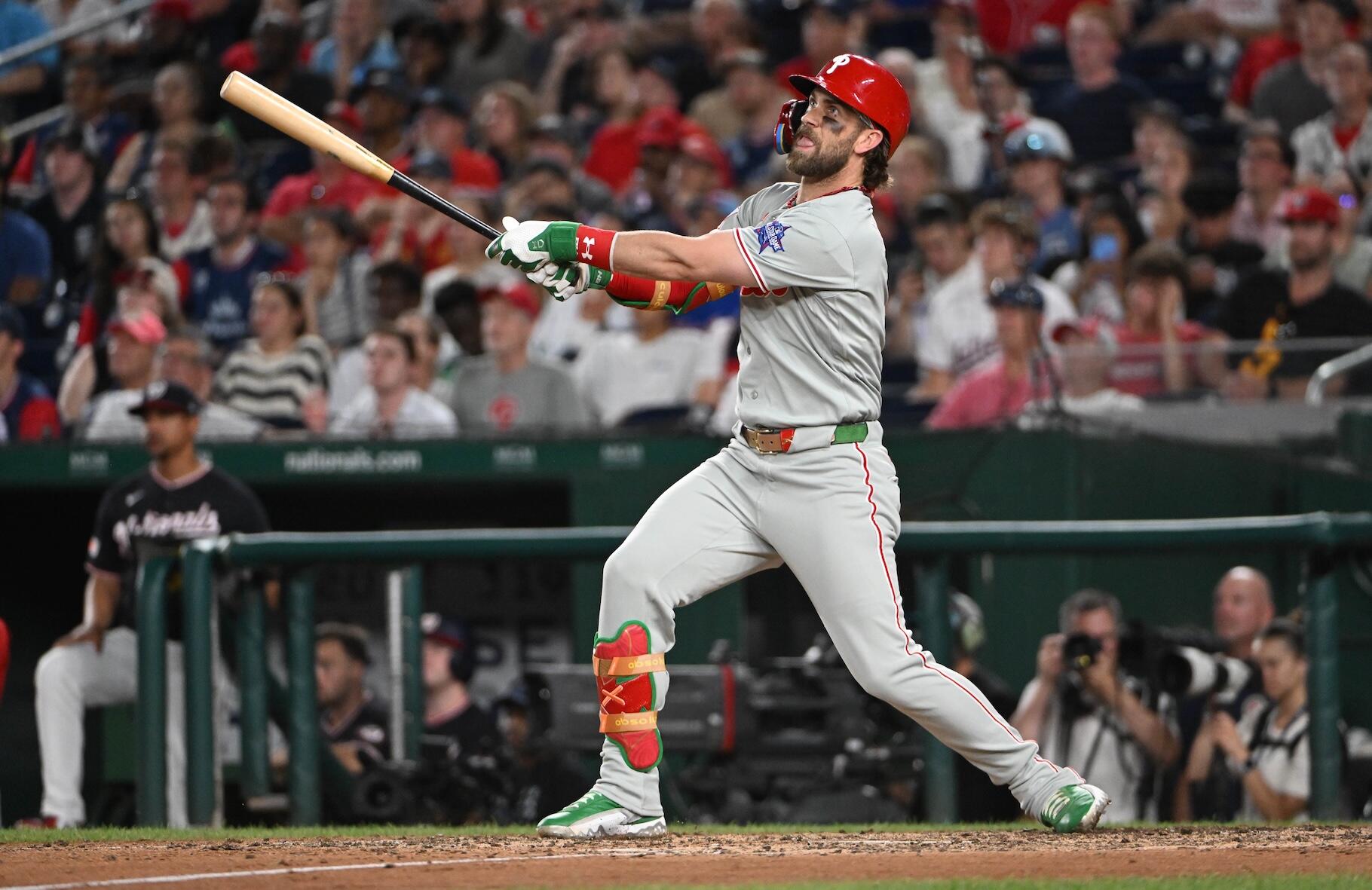
Cincinnati Reds outfielder Spencer Steer headlines SportsLine analyst Jacob Fetner's recommended home-run player props for Friday, 3 July 2026, with Tampa Bay Rays first baseman Jonathan Aranda having occupied the same slot a day earlier on Thursday, 2 July. The two consecutive selections from the same model-writer encapsulate how a generation of daily betting content has come to lean on a narrow set of inputs — platoon handedness splits, opposing pitcher's repertoire, and the ambient run environment of the home ballpark — and to package the resulting projections as personalised picks. Understanding why these columns read the way they do is a useful corrective for any bettor who assumes they are getting independent handicapping rather than a derivative of the same public statistics every sportsbook already uses.
The Fetner column, published 3 July 2026 at 17:25 UTC on CBS Sports, identifies Steer as the day's preferred home-run candidate based on his handedness against the scheduled opposing pitcher and the home park factor in Cincinnati. Aranda's Thursday, 2 July selection, published at 14:35 UTC the previous day, ran on the same logic against a different opposing arm. The picks illustrate a routine — same author, same model architecture, same window of recommendation — that recurs across the season and is itself part of why the props market moves the way it does.
What the picks actually flag
SportsLine's daily home-run column ranks hitters by a probability score derived from three public-domain inputs: the hitter's career and rolling platoon splits, the opposing pitcher's propensity to allow hard contact to that handedness, and the home ballpark's park factor for home runs over the prior three seasons. For Steer on Friday, the model leans on his splits against right-handed pitching and the Great American Ball Park's middle-of-the-pack home-run factor. For Aranda on Thursday, the case was built around his pull-side power versus left-handed breaking-ball pitchers and the dimensions at Tropicana Field's replacement venue. None of those inputs is proprietary; all are available on FanGraphs, Baseball Savant, and the league's own Statcast feed. The edge the column claims is the weighting, not the data.
That distinction matters. A bettor placing a home-run prop wager on the SportsLine recommendation is, in effect, paying for an opinion about which weighting scheme best predicts Friday's outcome. The probability the model assigns is rarely disclosed in the public copy; the headline reads "expert's best bets" rather than "top 3 picks at 14% modelled probability". The opacity is structural — if SportsLine published precise probabilities, sharp bettors would arbitrage the line against the book's posted number within minutes.
The bookmaker's counter-move
Sportsbooks price home-run props by ingesting the same Statcast feed, layering in their own hold, and updating lines as handle volume shifts. When a SportsLine pick on a single player goes viral, the line on that player's home-run prop typically shortens — the implied probability rises, the payout compresses. This is the part of the cycle casual bettors miss: the column's influence on the line is itself a market input. A bettor who reads the pick on Friday afternoon and clicks the bet on Friday evening has already absorbed the model's impact on the price they are about to pay.
It is also why the daily columns tend to concentrate on the same small pool of hitters. Players like Steer and Aranda sit in the upper-middle band of expected home-run rate without being top-tier MVP candidates — meaning their props carry prices that still reward a confident bet, unlike a Shohei Ohtani or Aaron Judge prop where the implied probability is already 35–45%. Bookmakers price the stars accordingly, and the daily columns work the seam just below them.
What the format does not tell you
The columns publish a name. They do not publish the model's calibration history, the variance of the underlying projection, or the sample size of the relevant platoon split. A hitter's home-run rate against left-handed pitching over 120 plate appearances is a different signal than over 480. The columns rarely distinguish, and the headline format rewards brevity over that distinction. The casual reader leaves with a name and a recommended bet; the disciplined reader leaves with a candidate list and a habit of checking the inputs before acting on the recommendation.
There is also no published record of how the same model performed on comparable picks earlier in the season, because SportsLine does not maintain a public ledger. Betting-tracker sites aggregate user-submitted tickets and produce hit rates, but those include every user, every stake size, and every line movement — not the model's own choices on the day of recommendation. The closest a reader can come to independent verification is to compare the daily pick against the closing line and to note when the recommendation preceded a sharp line move.
The structural picture
Daily home-run-pick columns are an editorial product shaped by the same data infrastructure that prices the bets they recommend. The columns do not pretend to information advantage in that sense; they are explicit about reading the public numbers. What they sell is curation, framing, and the discipline of producing a name on deadline. For a bettor who treats the column as one input among several — alongside the posted line, the weather, the umpire, and the opposing pitcher's recent pitch mix — it is a useful filter. For a bettor who treats it as the input, the cycle described above tends to compress edge into the house's pocket over a full season.
The most concrete read on whether the format works comes from tracking the closing line against the recommendation. When the pick's implied probability was meaningfully higher than the book's pre-pick price, the model added something. When the pick's implied probability was already inside the closing line, the column merely identified what the market had already priced. That second case is more common than the format's marketing suggests, and it is the part of the picture SportsLine's daily headlines do not draw attention to.
How Monexus framed this vs the wire: the CBS Sports wire produces daily player-props recommendations and treats them as actionable picks. Monexus treats the same product as a useful window onto how public sabermetric data moves through a recommendation cycle and into a sportsbook's pricing, and asks the question the column itself does not.