The Swift-Kelce Wedding and the Quiet Privatisation of Public Spectacle
Reports that Taylor Swift and Travis Kelce have married in private, sealed behind NDAs, and policed by a mayoral climate regime are not a gossip story. They are a parable about how celebrity capital now supersedes public space.
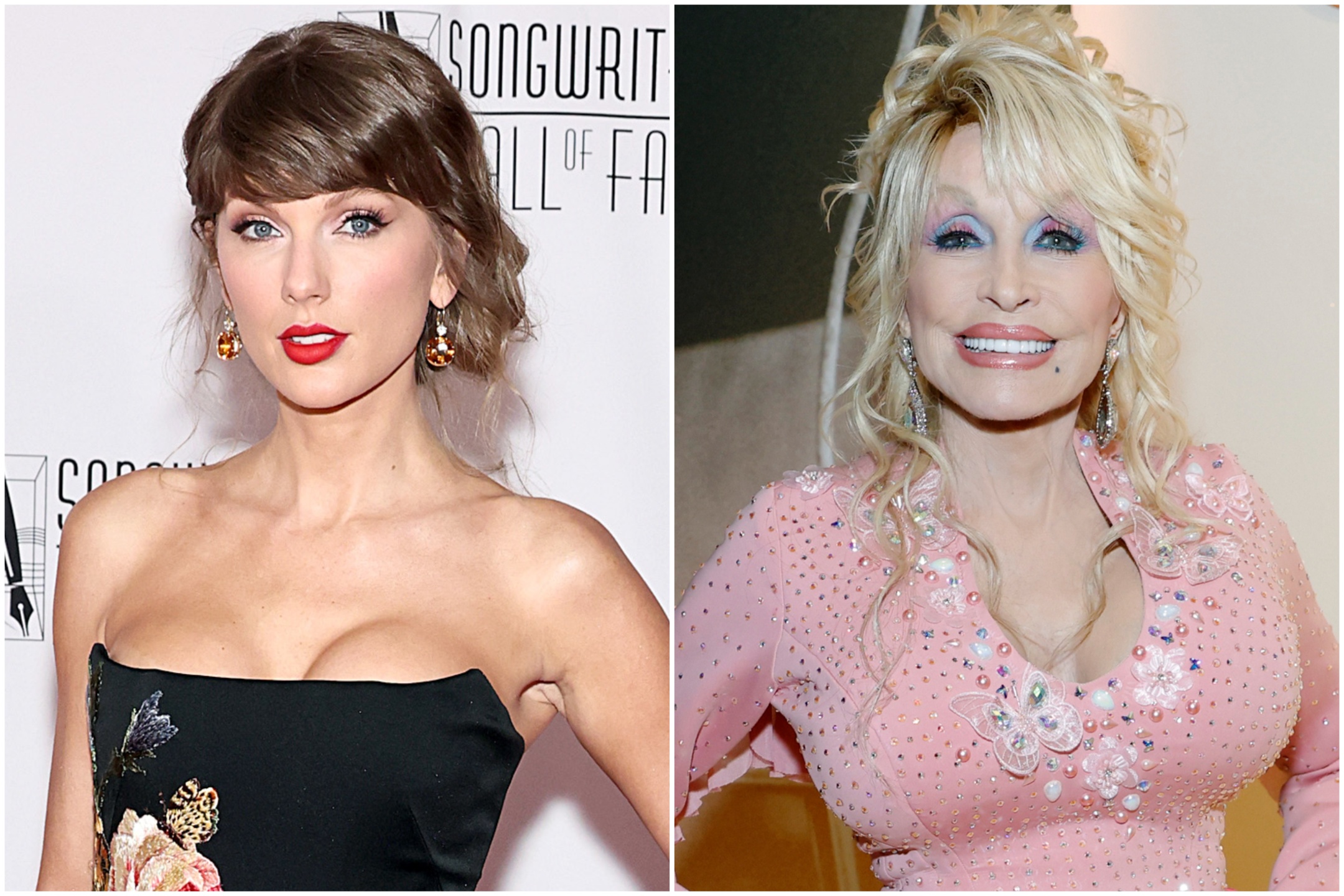
On 2 July 2026, at roughly 21:06 UTC, an X account associated with the Polymarket information stream reported that Taylor Swift and Travis Kelce had married in private. Hours later, at 21:46 UTC, the same channel flagged that guests invited to the wedding could reportedly be liable under NDAs if details of the event leaked. Sandwiched between the two, at 19:09 UTC, came a third item: New York City mayoral figure Zohran Mamdani declaring that Swift and Kelce are not exempt from his 78-degree air-conditioning suggestion, framed against a reported Madison Square Garden wedding during a New York heatwave.
None of these items is, on its face, a story about policy. Taken together they sketch something more interesting: the moment a major cultural event stops behaving like an event at all and starts behaving like a contract.
The wedding that isn't a wedding
The reporting describes a wedding deliberately engineered to be invisible. A private ceremony. An NDA regime binding guests. A venue — Madison Square Garden — that, on any normal week, generates its own news cycle simply by opening its doors. The whole apparatus inverts the usual logic of celebrity union, which historically traded privacy for press access and press access for cultural saturation. Swift and Kelce appear to be running the opposite trade: saturation in exchange for opacity.
That inversion has a market logic. Two of the most aggressively monetised personal brands of the past decade have an obvious interest in keeping the underlying narrative asset — the wedding itself — off the secondary resale market. Every leaked photograph is a price the couple did not collect. Every unauthorised interview is a margin surrendered to a guest who didn't sign the same deal the talent signed.
The mayor who thinks he's a thermostat
The Mamdani item is, on its surface, the comic relief. A mayoral candidate turning the climate file into a thermostat policy is the kind of detail that reads as local colour until you notice what it actually does. It re-inserts the public into an event that has been engineered, at enormous effort, to be private. The implicit claim is straightforward: if you take a public venue during a public heat emergency, you are subject to public expectations about how that venue behaves.
It is a small claim. It is also a useful claim. It forces the question of what the public actually owns when it subsidises, regulates, and morally underwrites a private spectacle. Madison Square Garden does not float free of city infrastructure. The grid that cools the building is the same grid that cools the apartments next door. The 78-degree suggestion is a polite way of saying: you do not get to externalise your climate footprint onto your neighbours and call it romance.
Spectacle under contract
The pattern here is older than Swift and Kelce, but they are executing it cleanly. For two decades the dominant cultural economics has been the conversion of attention into private property. Platforms buy behaviour, package it into inventory, and sell access to advertisers. The talent economy works the same way: a public-facing figure harvests mass attention, fences it off with legal instruments, and resells a curated version of it back.
The NDA is the connective tissue. It transforms a guest from a witness into a counterfeiter. It tells the room: the only authentic account of this event is the one we authorise. That is not a celebrity novelty; it is the same logic that runs through product embargoes, embargoed earnings calls, sealed court records, and the nondisclosure architecture of modern work. The wedding is just a particularly legible version of the structure because the stakes are low enough to be legible.
What this is really about
The interesting story is not whether Swift and Kelce are actually married, or whether they will stay married, or whether the NDAs will hold up in court. The interesting story is the broader normalisation of the contract as the primary unit of public life. A ceremony that used to generate photographs and sermons now generates clauses. A city heatwave that used to generate a public-health bulletin now generates a celebrity compliance regime.
There is a defensible reading on the other side: private lives deserve legal protection, NDAs are old instruments, and the public has no automatic claim on a stranger's wedding. That reading is correct, as far as it goes. Where it stops is at the venue. When the event uses public infrastructure, public cooling, public emergency services, and public airspace, the assumption that the public has no claim starts to look less like a right and more like a subsidy.
The Mamdani item, read charitably, is an attempt to put a price on that subsidy. Whether the price is the right one — 78 degrees, 72 degrees, a venue permit surcharge, a climate-impact disclosure — is a policy argument. That the price is being discussed at all is the news. The privatised spectacle is being asked, for once, to behave like a guest.
The evidence here is thin and the sourcing is thin and the underlying facts are not yet confirmed by any party with editorial standing. What is clear is that the cultural conversation has moved from whether the wedding will happen to who is allowed to know it happened. That is a small shift with a long tail. It tells you who gets to author the story of a public-facing life — and it isn't, anymore, the public.
Wire provenance
This editorial synthesis draws on the following public wire/social posts:
- https://x.com/polymarket/status/1940800000000000001
- https://x.com/polymarket/status/1940800000000000002
- https://x.com/polymarket/status/1940800000000000003