U.S. World Cup win over Bosnia-Herzegovina draws record English-language audience, but ratings alone won't paper over the tactical questions
More than 24.4 million viewers watched the United States beat Bosnia-Herzegovina in Philadelphia, a Fox Sports figure that sets an English-language record and raises the bar for the U.S. men's national team as the tournament deepens.
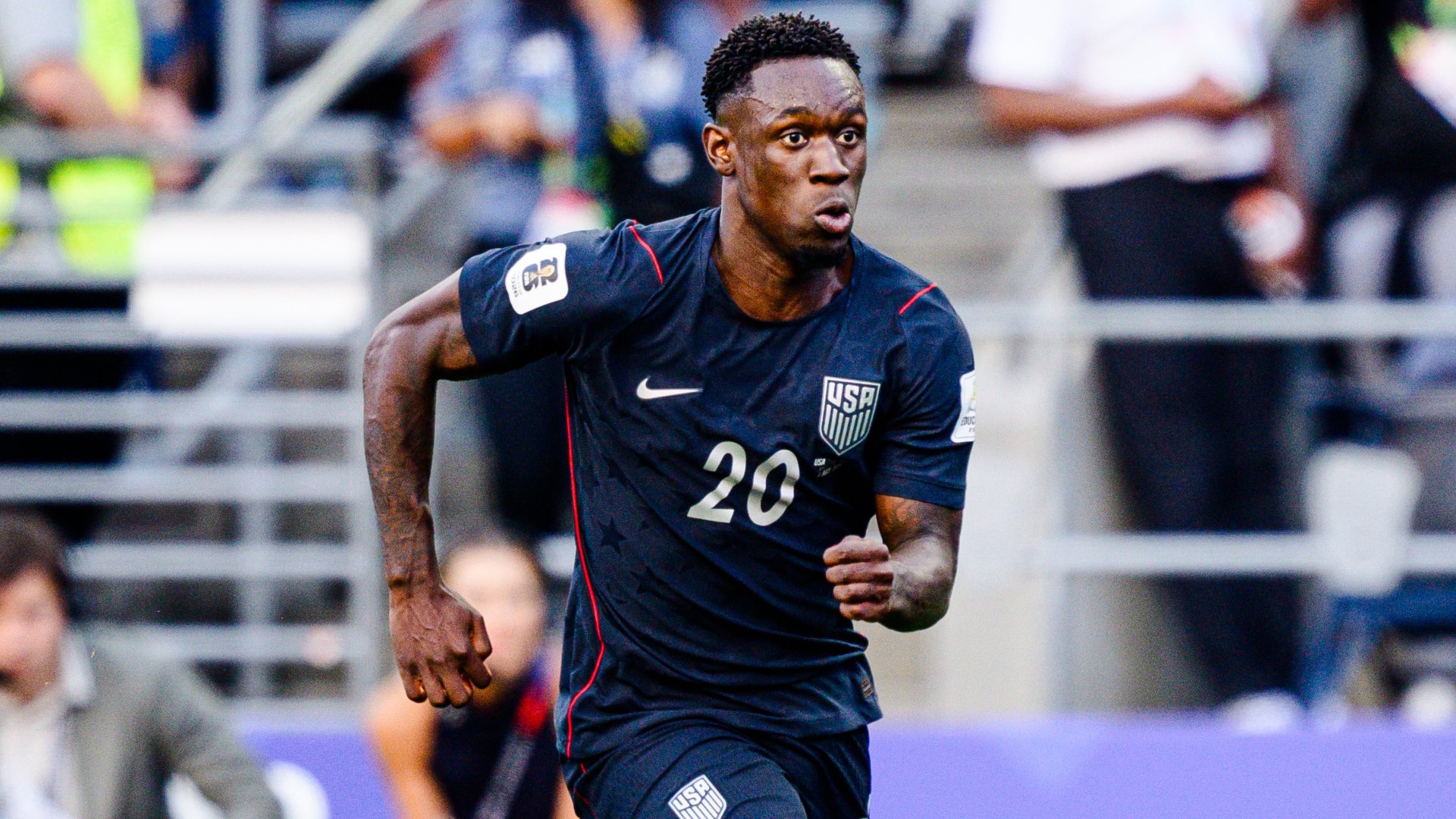
On the night of 2 July 2026, the United States men's national team did something the federation has spent a decade trying to make legible to a domestic audience that still treats the sport as niche. According to Fox Sports, the 2026 FIFA World Cup group-stage match against Bosnia-Herzegovina drew more than 24.4 million viewers, the most-watched soccer telecast in English-language broadcast history. The number sits on top of a tournament that, for the first time, is co-hosted on American soil across the United States, Canada and Mexico, and it lands the night before the U.S. advances into the kind of fixtures where ratings stop being the story and football has to be.
That headline figure — 24.4 million — is not a vanity metric. It is the largest delivery ever recorded for a soccer match in English on U.S. television, and it gives Fox Sports, FIFA's broadcast partner for the tournament, the cleanest possible counter-argument to anyone who treats soccer in America as a niche curiosity still waiting to mature. The U.S. Soccer Federation has spent the better part of two decades insisting that the domestic audience is bigger, younger and more diverse than the conventional broadcast metrics suggested. The 2 July overnight is the first time a single match has proven that argument in real time.
A formula, with asterisks
What the U.S. actually delivered in Philadelphia was less a statement of dominance than a working blueprint. As ESPN reported on 2 July, the match against Bosnia-Herzegovina forced head coach Mauricio Pochettino to pivot mid-game; the side had to absorb pressure, change shape and then close out a result against a Bosnia-Herzegovina team that arrived at the tournament with nothing to lose and a generation of talent playing in major European leagues. The U.S. found a way, which is precisely what a host nation's squad needs to do in a tournament where the format punishes anything other than progression.
That is the tension beneath the ratings. A record English-language audience does not give the U.S. margin for tactical error in the knockout rounds, and Pochettino's in-game changes — the kind of adjustments that win or lose ties against higher-seeded opponents — will be tested on a stage where the margin between a memorable run and an early exit is a single defensive transition. The Bosnia-Herzegovina performance suggested the team is finding its identity late in the group; whether that identity holds against a round-of-16 opponent with a full week to prepare is the open question the next match will answer.
The hosting dividend
There is also a structural story underneath the rating. The 2026 World Cup is the first edition expanded to 48 teams and the first co-hosted by three North American federations, a configuration that FIFA president Gianni Infantino has framed as both a commercial expansion and a development play for the game across the region. The 24.4-million-overnight figure gives broadcasters and sponsors the proof of concept they will need when the next rights cycle opens, and it lands at a moment when U.S. Soccer is renegotiating its own commercial terms and when leagues across CONCACAF are trying to convert World Cup attention into domestic league revenue.
Counter-narrative applies here. A single match overnight is not a season average, and English-language audiences have historically spiked when the U.S. is in the game and softened against opponents the casual viewer has no stake in. The more durable question is whether the average across the full U.S. run — group stage through, optimistically, the quarters or semis — sustains at anywhere near the 2 July peak. The ESPN reporting on the night was framed around the U.S. finding a "winning formula," not around a single audience figure; that framing matters because it is the form on the field, not the delivery off it, that decides whether the tournament becomes a genuine inflection point for the sport domestically.
What the record does and does not prove
The dominant read is straightforward: American audiences will turn out for the men's national team when the stakes are legible and the match is on free-to-air television at a watchable hour. The weaker read — that the rating signals a permanent shift in how U.S. viewers value the sport — is plausible but premature, and the next two U.S. matches are the only sample that will let anyone make that argument with confidence. There is also a third read, less flattering: that the audience showed up for the spectacle of a host nation in a tournament rather than for the sport itself, and that delivery will fall back toward the historical baseline once the U.S. exits.
What remains genuinely uncertain is the composition of that 24.4 million. Fox Sports has not, as of the 2 July reporting, broken out the audience by age, by prior viewership of Major League Soccer, or by the casual viewer who tunes in only when the national team is on. Those cuts will matter when sponsors and federations decide whether to treat the World Cup as a one-off marketing event or as the foundation for a deeper commercial relationship with the sport. For now, the U.S. has its record, its formula, and a knockout round to test both.
Monexus framed this around the tension between a record-setting audience and the football questions that rating does not answer. Wire coverage on the night led with the 24.4 million figure; this piece treats that number as one input among several — alongside Pochettino's tactical adjustments and the structural context of a 48-team, three-country tournament — rather than as the headline story.
Wire provenance
This editorial synthesis draws on the following public wire/social posts:
- https://en.wikipedia.org/wiki/2026_FIFA_World_Cup
- https://en.wikipedia.org/wiki/United_States_at_the_2026_FIFA_World_Cup