Egypt's Palestine dedication, and the World Cup politics nobody on the FIFA broadcast wants to name
A penalty-shootout upset is now a diplomatic event. The Pharaohs' coach dedicated the win to the Palestinian people — and the celebrations that followed in Gaza say what FIFA's broadcasters carefully did not.
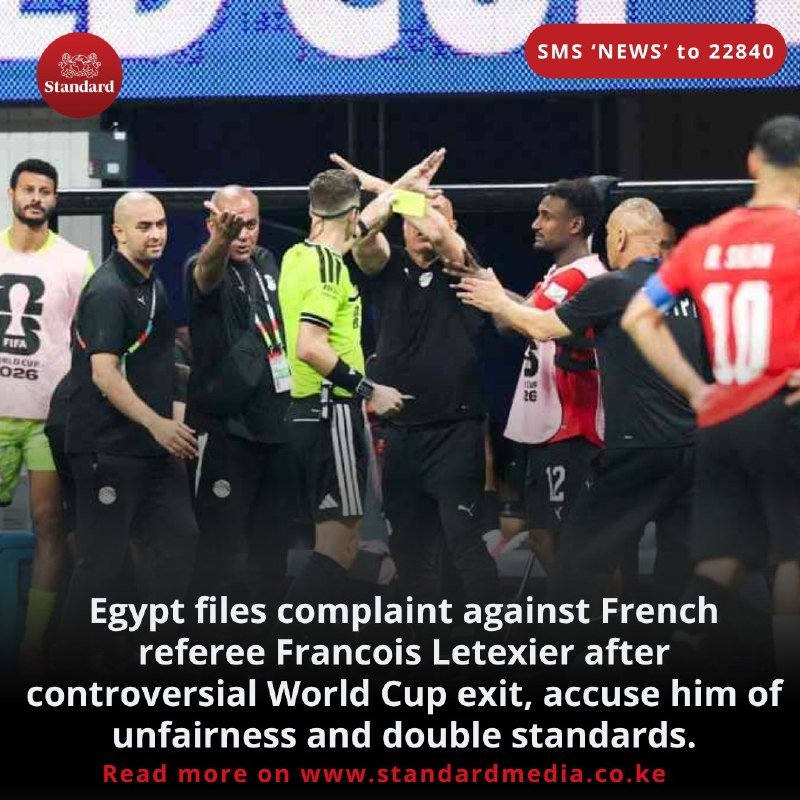
On the night of 3 July 2026, in a stadium somewhere on United States soil, Egypt's senior men's national team beat Australia 4-2 on penalties to reach the last 16 of the FIFA World Cup. The scoreline mattered. The geopolitics mattered more. As the shootout ended, Pharaohs head coach Hossam Hassan walked up to a pitch-side camera and dedicated the result, in Arabic, to the Palestinian people — a gesture the Lebanese outlet The Cradle Media highlighted in real time, and one that Palestinians in Gaza answered in kind, pouring into the streets of cities that have spent two years being described by humanitarian agencies as the most dangerous place on earth to be a child.
The point of this column is not whether Egypt can now beat the next opponent. The point is what a coach's five-second post-match remark, and a stadium crowd's reply, reveal about a tournament that FIFA has spent eighteen months marketing as a unifying North American showpiece. Sports politics is a tired phrase. It is also, on present evidence, the only phrase that fits.
The dedication, in context
The Cradle's 4 July telegram dispatch, timestamped 12:27 UTC, carries the Hassan line in its headline: an unmistakable gesture from a figure who played in three World Cups for Egypt and now manages the team. The headline framing is itself a journalistic choice — outlets sympathetic to the Palestinian cause elevated the dedication as the story of the night, while the global sports wires, which had spent the previous 48 hours debating whether the United States could host a tournament of this scale without incident, framed the result as a routine knockout upset.
Middle East Eye's same-day reporting from the X wire, timestamped 13:10 UTC, supplies the other half of the story: footage of Palestinians in Gaza celebrating into the early hours, a rare piece of unalloyed good news in a strip where the United Nations has repeatedly described food insecurity at catastrophic levels. The two reports, read together, describe a single event with two audiences. FIFA's broadcast was for the broadcast audience; Hassan's camera was for the other one.
What the broadcast chose not to say
FIFA is a federation of 211 member associations and a body that, since at least the 2022 Qatar tournament, has visibly tried to keep political expression inside its stadiums on a short leash. One-Nation armbands, rainbow laces, anything resembling an unauthorised political symbol — these have all been adjudicated, fined, or quietly suppressed. The federation's preferred register is neutral; neutrality, in practice, has tended to mean the politics of the host and the federation's biggest broadcast markets go unremarked, while the politics of the smaller or more awkward members get clipped out of the highlights package or pushed below the fold.
That is why a coach dedicating a result to a people at war is genuinely newsworthy. It is not the substance of the remark — there is nothing surprising about a senior Arab coach expressing solidarity with Palestinians, and the gesture fits a long pattern of Egyptian cultural and political identification with the Palestinian cause that predates the present war. It is newsworthy because FIFA's broadcast architecture did not plan for it. The federation can fine a captain for an armband; it cannot fine a coach for words spoken in Arabic into a camera he was not supposed to be speaking into.
The counter-read, taken seriously
There is a counter-narrative, and it deserves space. A critic of the framing here might reasonably say three things. First, that sportsmen are entitled to express political opinions, and that the same outlets now celebrating Hassan's gesture would (correctly) have covered a German or English player expressing solidarity with Palestinians, an Israeli player expressing solidarity with hostages, or a Saudi player invoking his kingdom's policies, without declaring it a geopolitical turning point. Second, that a single penalty shootout cannot bear the weight being placed on it by regional commentators eager to find a victory in a tournament Egypt did not need to win on paper. Third, that celebrations in Gaza — however real, however human — are not a policy outcome, and the gap between a pitch-side gesture and a ceasefire at the negotiating table is wide.
All three points are fair. The second is the strongest. Monexus has no interest in inflating a coach's remark into a verdict on the war. But the first point also cuts the other way: if the commentariat routinely treats European players' political remarks as worthy of serious analysis, it is rank double standard to declare Arab players' remarks trivial. And the third point concedes something the critic would rather not concede, which is that the people doing the celebrating in Gaza have, by any honest accounting, very little to celebrate these days. The fact that they noticed the dedication at all is itself the story.
Stakes: the tournament as diplomatic stage
The deeper stake is structural. North American mega-events — the 1994 World Cup, the 1996 Atlanta Olympics, and now the 2026 World Cup across the United States, Canada and Mexico — have always carried a soft-power claim that sport transcends politics. That claim is, on present evidence, more shopworn than ever. Players, coaches and travelling supporters are arriving with cameras in their pockets and wars in their countries of origin. FIFA can manage the optics; it cannot manage the content.
For Egypt specifically, this matters because Cairo is one of the few Arab capitals that still attempts to mediate between the Palestinian factions, the Gulf states and the Western backers of the present negotiations. Hassan did not need to say anything. He chose to. The Egyptian Football Association, an organ of the Egyptian state, has not (as of the timestamps in the thread context) contradicted him. That is the policy signal; the camera remark is the cover.
What we do not yet know
The sources available to this column do not specify FIFA's response, if any, to the dedication. They do not specify whether the on-pitch microphones captured Hassan's words in full, nor whether broadcast partners cut the audio for certain territories. The Cradle's framing is sympathetic; the global sports wires, as of writing, have not (in the items in front of this column) led their Egypt-Australia coverage with the dedication. That gap is itself a finding. Two reports, two emphases, one event.
Desk note
Monexus framed this as a story about sports politics and the architecture of global broadcast neutrality, not as a verdict on the war. The wire wires led with the result; regional outlets led with the dedication. Both framings are inside the evidence; only one of them fits the night Palestinians in Gaza actually had.
Wire provenance
This editorial synthesis draws on the following public wire/social posts:
- https://t.me/TheCradleMedia
- https://t.me/middleeasteye
- https://t.me/thecradlemedia