Putin-Trump call lands on a weekend nobody in Europe is watching
Putin-Trump call lands on a holiday weekend in Europe, and the only public account is a Kremlin text routed through Iranian state media. The asymmetry is the story.
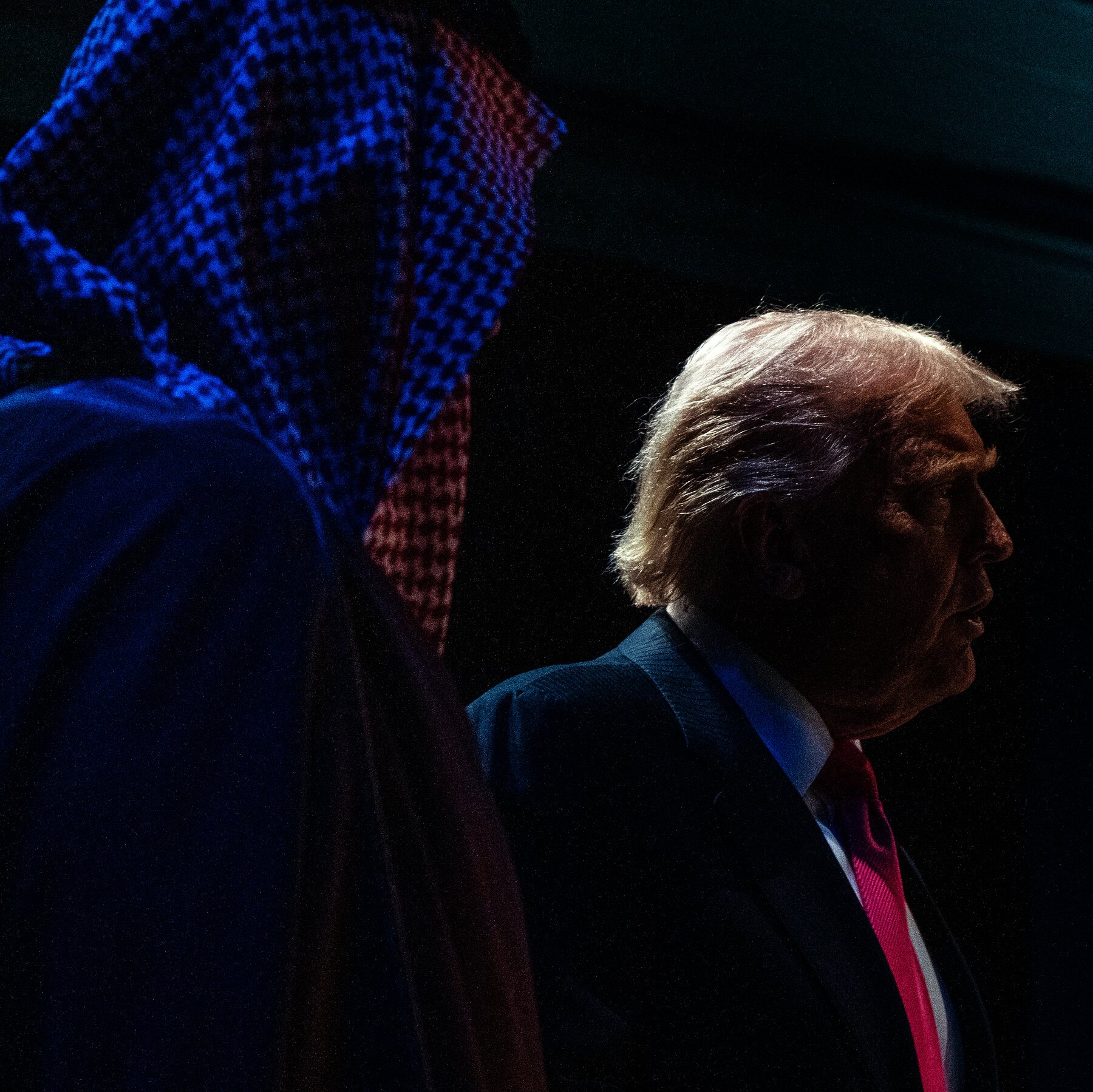
Vladimir Putin took a phone call from Donald Trump on Saturday, 4 July 2026, and the only public record of the conversation comes from Moscow. The Kremlin readout, distributed in English by the Iranian state-affiliated Tasnim News Agency on Telegram, says the two leaders discussed Ukraine, Iran, and Syria, and that Putin "reaffirmed his commitment" to a peaceful settlement, language that has preceded every Russian escalation of the past three years. The White House has not published its own account. Kyiv has not been asked for comment in the version on the public record. The asymmetry is the story.
European chancelleries were largely empty for the long holiday weekend when the call landed. Berlin was on a national bridge day. Paris had emptied into summer. Warsaw was preparing for a state visit, not a crisis call. The timing is consistent with a pattern the Kremlin has refined since 2022: place the most consequential diplomatic moves in the window when the European institutions that would normally coordinate a response are slowest to convene. The signal is not subtle, and it is not new.
The Kremlin's preferred channel
Tasnim News Agency, the English-language wire operated out of Tehran under supervision of the Iranian regime's own officials, is the only outlet on the public record distributing the Kremlin's account in real time. That matters less for what it says about Iran than for what it says about the route the Russian government chose to reach an English-language audience. The text is also being relayed through what Moscow labels its "Jahan" feed, a Persian-language brand that sits comfortably inside Tehran's media ecosystem. The Russian government had other options. It did not use them.
The content of the call, as Tasnim reports it, is the familiar blend. Putin thanked Trump for US engagement and blamed Kyiv and European capitals for blocking a deal. Trump, the Russian version claims, expressed a desire to move past the conflict. There is no indication in the public record that Ukraine was on the line or that the call touched on the strikes, drone incursions, and grinding positional warfare that have continued in Donetsk and Zaporizhzhia oblasts through the week.
The NATO end of the noise floor
The call did not arrive in a vacuum. Two days later, on 6 July, NATO Secretary General Mark Rutte told the Turkish state agency Anadolu that Russia remains "a long-term threat" to the West, and added, in language now widely circulated: "I usually sleep well. But if there's one thing that keeps me awake, it's Russia." Rutte's framing sits in direct tension with the Trump-Putin optics. The same week, reporting relayed through the OANN feed on Telegram carried Trump's own claim that Putin is "feeling immense pressure" to end the war, language designed for a domestic American audience and not for a European one.
The contradiction is the point. The American president says he is squeezing his Russian counterpart. The NATO chief describes the same Russian counterpart as the principal threat to the continent. One of these accounts is true. It is not clear which one, and the European governments charged with deciding which account to treat as their working assumption are, as of this weekend, not publicly on the page.
A wire dominated by a single source
The most striking feature of the public record is how thin it is. The draft note flagged it: the only primary documents in circulation on the day of the call are Russian-aligned channels, with the Kremlin's text moving through Iranian state media rather than the usual Russian wires. TASS and RIA have not, as of writing, published an English-language readout with a comparable reach. That absence is itself a choice, and the choice reads as one aimed at an audience Moscow believes will not check the sourcing.
The information environment around this call is a case study in what happens when a single government controls the primary text and the recipient government's own version is delayed, drafted, or simply not released. Reporters in Washington are working from leaks and from Trump's on-camera remarks in the days that follow. Reporters in Moscow are working from the text the Kremlin hands them. Reporters in Kyiv are working from a near-total absence of confirmation. The asymmetry is structural, not editorial, and it is the same asymmetry the Russian government has used to great effect at every previous inflection point in the war.
What the weekend buried
The White House's preferred delivery vehicle for this kind of news, a written readout or a Trump on-camera exchange with reporters, has not materialised in the 48 hours since the call. The delay has a cost. By the time a US account reaches European desks, the news cycle will have moved through the OANN-carried Trump line on Putin's pressure, through the Rutte line on Russia as a long-term threat, and through a fresh round of commentary, including the Mail on Sunday columnist Peter Hitchens, who on the same day argued in his column that Western double standards in evaluating Russian and Western military conduct are now impossible to ignore. The framing battle is being fought while the policy text is still being written.
For Kyiv, the worst outcome is not a bad call. It is a call whose content is set by Moscow and then absorbed as a fact in Washington before the Ukrainian government has any formal standing in the conversation. That has been the architecture of every previous round. The weekend timing changes nothing about the architecture and everything about the speed at which it can be locked in.
The next 72 hours
The signals to watch are mundane and decisive. A White House readout, in its own words and on its own letterhead, is the first test. A second test is whether the Ukrainian government confirms it was consulted, briefed in advance, or asked for any input. A third is whether Rutte's "long-term threat" language survives intact into the NATO summit cycle, or whether it is softened to make room for a Trump-engineered accommodation with Moscow. None of these tests require fresh intelligence to read. They require the absence of the kind of silence that greeted this Saturday's call.
Sources: Tasnim News Agency (Telegram, 4 July 2026); OANN (Telegram relay, 6 July 2026); Anadolu Agency, interview with NATO Secretary General Mark Rutte (6 July 2026); Mail on Sunday, Peter Hitchens column (6 July 2026); reporting relayed via X handle @sprinterpress, 6 July 2026.
Desk note: Monexus is filing on the announcement because the call itself is news, but the public record as of writing is a Kremlin text routed through Iranian state media, with no White House or Ukrainian confirmation on the wire. The framing above is built around that asymmetry rather than around the Kremlin's claims, which will be treated as claims until they are corroborated.