A paint-shop fire in Stavropol is the latest reminder that the front line is longer than the trenches
A blaze at a manufacturing park in Russia's Stavropol Krai is the latest in a run of hits on the industrial base behind the front — and it underlines how the war's economy of attrition is being fought far behind the firing line.
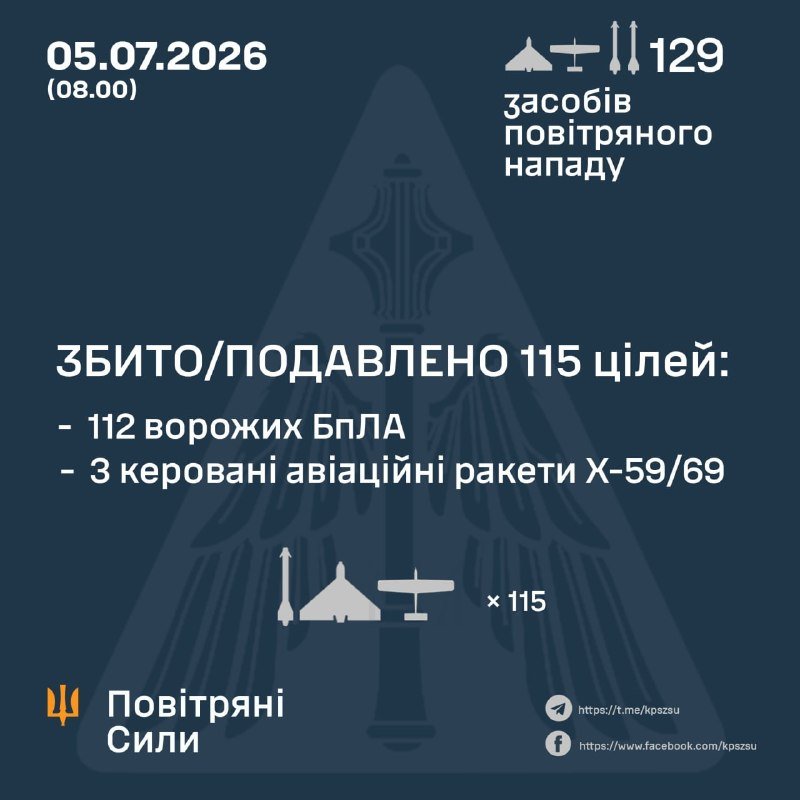
A fire tore through an industrial park in Russia's Stavropol Krai on the afternoon of 4 July 2026, igniting in a paint and coatings workshop and spreading across more than 3,500 square metres of manufacturing space, according to two Telegram channels that monitor Ukrainian deep-strike activity inside Russia. The park houses dozens of plants; the affected site, by initial accounts, supplied paint to downstream industries rather than arms directly. The authorities in Stavropol have not, in the materials reviewed, given a definitive cause, and the framing is — as ever with these incidents — competing.
Three and a half years into the full-scale invasion of Ukraine, the war's strategic logic is increasingly being decided not in the Donbas but in the warehouses, refineries and chemical sites that feed the front. The trenches get the cameras. Theighbours. Industrial parks get the long-range drones, the cruise missiles and, on the evidence of the past twelve months, an escalating tempo of sabotage by clandestine means.
What the wire shows
Two Telegram feeds — OSINTLive and WarTranslated, both run by analysts who track Ukrainian long-range strikes and Russian official responses — reported the Stavropol fire within minutes of each other, the first at 14:27 UTC, the second at 14:45 UTC on 4 July. Both described a blaze that began in a paint workshop and rippled outward. Neither channel assigned definitive responsibility: such incidents typically generate two competing narratives within hours. Russian emergency services often attribute fires to "violations of safety regulations" in initial statements; Ukrainian-aligned channels read the same evidence as a deliberate strike. For now, what can be said with confidence is that a large industrial site burned, that the loss is material, and that the pattern fits a months-long arc.
Stavropol Krai — a federal subject in southern Russia, bordering the contested Caucasus — sits well within the operational radius of Ukrainian long-range one-way attack drones and well outside the range of anything the West has formally acknowledged transferring to Kyiv. It is also home to petrochemical and military-industrial facilities, including, in past reporting, elements of the supply chain for propellants, paints and coatings used by Russia's defence sector. A paint and coatings workshop is precisely the kind of asset whose destruction is felt not today but in three to six months, when throughput drops at a dependent plant upstream.
The counter-read
Moscow's standard framing is that these fires are the product of domestic negligence, employee misconduct or — in the darker corners of Russian-language Telegram — Ukrainian sabotage by agents rather than by weapons. The logic of that framing is not absurd: Russia has a documented history of industrial safety failures, and Stavropol's climate in early July is hot and dry. A paint shop is an obvious fire risk. The competing narrative — that Ukraine is methodically dismantling the supply network that keeps Russian brigades supplied — is harder to prove case by case but obvious in aggregate.
For Western readers consuming this through the wire, the temptation is to accept the deeper narrative on faith. That would be a mistake. Each individual fire is genuinely ambiguous. The pattern of fires is not.
The structural picture, in plain terms
What Ukraine cannot do at the front line — break through entrenched Russian defences, restore the territorial positions of 2022, force a decisive engagement — it is doing, slowly and expensively, to the logistics behind that front. The deeper war is a war of attrition in which the side with the deeper bench of artillery shells, drones, fuel and replacement vehicles eventually prevails. Ukraine has lost the artillery duel in raw volume; it has sought, instead, to tax Russia's industrial base by hitting the nodes that produce and store what the front needs. A paint workshop makes sense if you think about primer for vehicle hulls. A refinery makes sense if you think about diesel for columns. A missile-component plant makes sense if you think about interceptors in three months.
This is not a new pattern. It is the same logic the Allies used against Axis production in 1943-44, adapted to a war in which the strike package costs a few thousand dollars and the target is picked from satellite imagery and a long-running human intelligence feed. It is also a logic the United States and Israel have repeatedly used against Iranian facilities in the past two years. The lesson is uncomfortable for everyone: in a long war of industrial depth, the country whose factories burn more, more often, and in more inconvenient places loses — even if its army is not visibly losing in the field.
Stakes, and what to watch next
The first-order read for Western policymakers is that Ukraine's deep-strike campaign has crossed from nuisance to meaningful industrial pressure. The second-order read is that Russia can absorb pain in the short term — it has done so since 2022 — but cannot absorb it indefinitely. The third-order read, and the one this publication finds most under-covered, is the political one. A fire in a paint shop is small news. The cumulative effect of a hundred such fires, measured in throughput and morale, is not. If the tempo of strikes on Russian industrial sites holds or accelerates, the pressure point moves from the general staff to the regions whose economies are being hollowed out — and Russian domestic consent for a war the regions no longer see as a distant special operation begins to bend.
What remains genuinely uncertain is whether the recent acceleration is the start of a sustained campaign or a peak around Ukrainian weapons stocks that will subside. The published sources do not specify the cause of the Stavropol fire with any precision. They do not specify which, if any, of the dozens of plants in the park produced defence-relevant output. They do not specify whether casualties occurred. Until Russia releases an official cause, or until independent OSINT work confirms a crater pattern consistent with a drone strike, every fire at every industrial park in every Russian federal subject is, technically, ambiguous. The aggregate, however, is not.
Desk note: Monexus reports the Stavropol fire as a pattern-level incident rather than as a discrete story, because the wire coverage — Ukrainian-aligned OSINT channels and Russian state-aligned counter-channels — agrees on the basics and diverges only on attribution. The structural argument about industrial attrition belongs in the lead; the on-the-ground reporting belongs in the section above; the ambiguity stays in the last paragraph where it belongs.
Wire provenance
This editorial synthesis draws on the following public wire/social posts:
- https://t.me/s/osintlive
- https://t.me/s/wartranslated