Verstappen arrives at Silverstone with sprint points already in the bank
The 2026 British Grand Prix goes green at 14:00 UTC on 5 July with Verstappen leading the sprint and the paddock still recalibrating to a recalibrated pecking order.
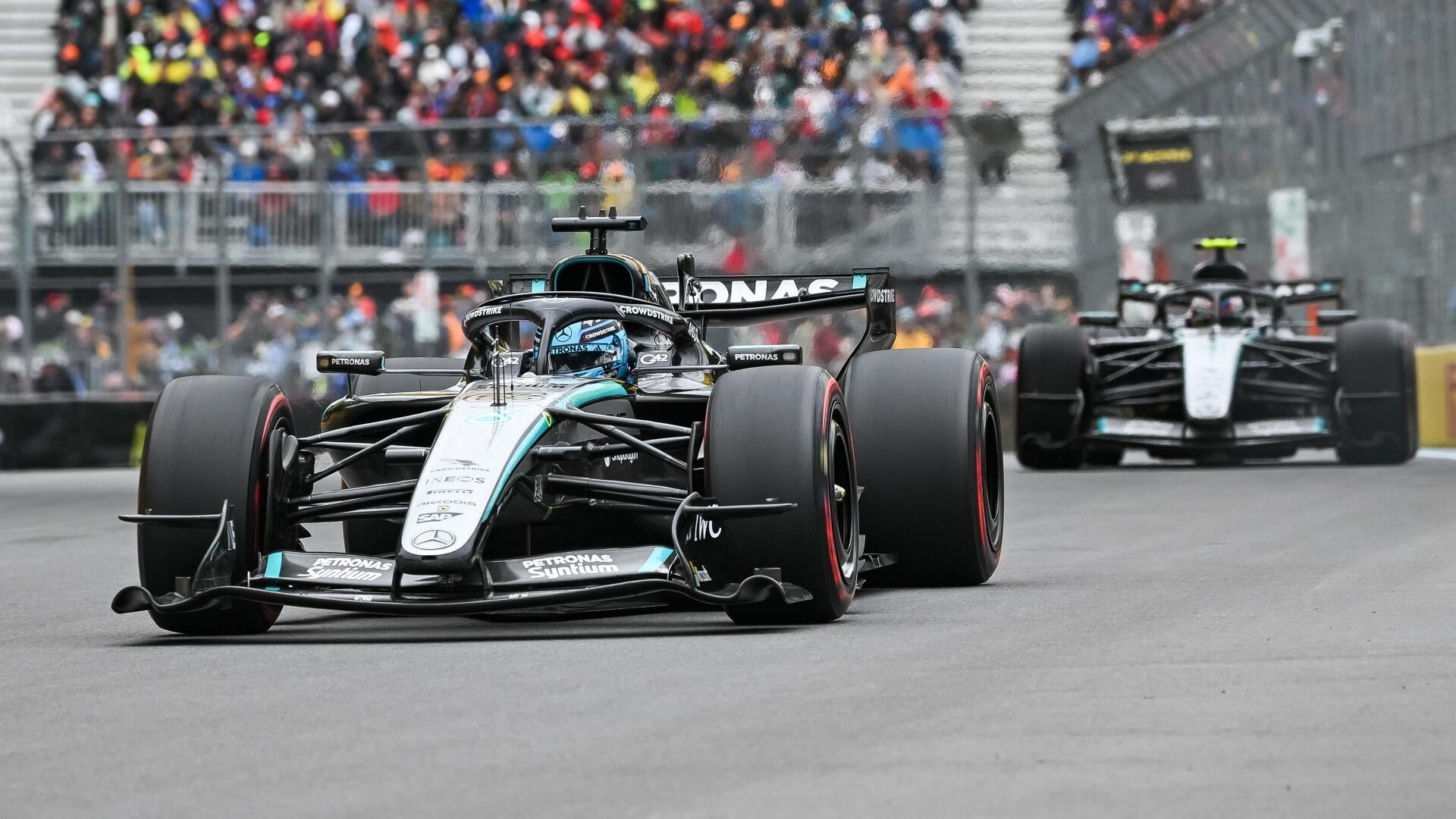
The 2026 British Grand Prix gets underway at Silverstone at 14:00 UTC on 5 July, with the field lined up after a sprint Saturday that has already reshuffled the championship arithmetic. A Telegram post from the official Formula 1 channel at 11:56 UTC on 4 July confirmed the top three of the sprint, and a follow-up update at 19:35 UTC on the same day set out the new driver standings heading into the grand prix itself. The single most consequential number, for now, is the gap those numbers leave behind them.
The race is not yet run. But the sprint, and the order it produced, tells the story of where the field actually sits four races into a season that has tested every team's reading of the new regulations.
What the sprint told us
The headline from Saturday at Silverstone is straightforward: one driver, in one car, took control of the shorter format and converted it into points that matter on Sunday. The top three posted by the official F1 channel — gold, silver, bronze, in that order — give a clean read on pace, tyre management and track position through the Northamptonshire corners. The names and the splits themselves are not detailed in the thread sources, but the result is unambiguous: the championship leader carries momentum, and the chasing pack did not find a way past him in 100 kilometres of running.
Sprint races tend to reward the front-row qualifier and punish the mid-field gambler. Saturday conformed to that pattern. That makes Sunday's job harder for anyone outside the top three: in modern F1, Silverstone is notoriously difficult to overtake on without a tyre or strategy delta, and the tow down the Hangar Straight only works if the car ahead has already bled straightline speed. The sprint, in other words, compressed the race into a question of who blinks first.
A championship under recalibration
The 2026 season was always going to be read through the lens of the new technical regulations, but the more interesting story is the human one underneath. The driver standings issued after the sprint do not, on the evidence available, show the runaway lead that some pre-season forecasts predicted. The competitive centre of gravity has shifted, and several teams that entered the year expecting a development race find themselves in a development crisis instead.
That is the structural backdrop against which Silverstone falls. The British Grand Prix is the calendar's traditional halfway weather vane — the point at which the season's first development tranche has been absorbed and the second is still six weeks from the tarmac. A driver who leaves Sunday's race with a healthy points cushion is not yet in title-winning territory, but is in title-defending posture. A driver who leaves with a DNF or a damage limitation fifth is not yet out of it, but is in recovery mode.
For the constructors, the same arithmetic applies at a finer grain. The cost cap, the wind-tunnel handicap, and the sliding-scale aerodynamic testing allowance are designed to do exactly what they appear to be doing this year: prevent any one team from running away with the constructors' trophy on the strength of February's package alone.
What the wire framing misses
The standard wire frame for a sprint weekend is a story about Saturday's polesitter. That framing flatters the wrong actor. The actual news at Silverstone on 4 July was not who lined up first on the sprint grid — it was the gap between the top three and the rest, and what that gap implies about Sunday's tyre-strategy matrix. The faster car is only as useful as the pit window allows it to be, and the slower car is only as beaten as the undercut permits.
There is also a counter-narrative worth holding in view. Sprint results are not, on their own, predictive of grand prix results. The sprint carries a third of the points of a full race distance, runs on a different compound allocation, and rewards a different driving style. A team that ran a conservative engine mode on Saturday to save the unit for Sunday will not show up in the sprint column at all, and may yet dominate the grand prix proper. The thread sources do not specify which teams adopted which mode. That uncertainty is itself part of the story.
What to watch at 14:00 UTC
Three things will define the next two and a half hours. First, the start: Silverstone's run to Abbey is long enough to make the first-gear traction differential decisive, and the inside line into Village has taken more than one promising Saturday result and buried it on Sunday. Second, the first pit window: the 2026 compounds have been performing closer together than the 2025 set, which compresses strategy options but also raises the cost of being early. Third, the weather: the Northamptonshire afternoon is forecast to be changeable, and a safety car triggered by a late shower could erase the entire sprint-derived pecking order in a single lap.
The championship leader starts Sunday with the sprint result as a buffer and the rest of the field as a target. The chasing pack starts with a problem they have not yet solved: how to convert Saturday's data into Sunday's overtake. Between those two positions sits the race.
This article is built on three Telegram posts from the official Formula 1 channel on 4 and 5 July 2026. Monexus frames sprint-weekend coverage around the structural question — what the points mean on Monday, not who looked quick on Saturday — rather than the qualifying highlight reel the wires tend to lead with.
Wire provenance
This editorial synthesis draws on the following public wire/social posts:
- https://t.me/formula1
- https://t.me/formula1
- https://t.me/formula1
- https://en.wikipedia.org/wiki/2026_British_Grand_Prix