Berlin's Taurus rebuff is a quiet vindication for Kyiv's drone doctrine
Berlin's defence minister says Ukraine no longer needs Taurus cruise missiles because its own long-range drones are already hitting Russian oil refineries. The reasoning exposes how much the war's deep-strike debate has shifted.
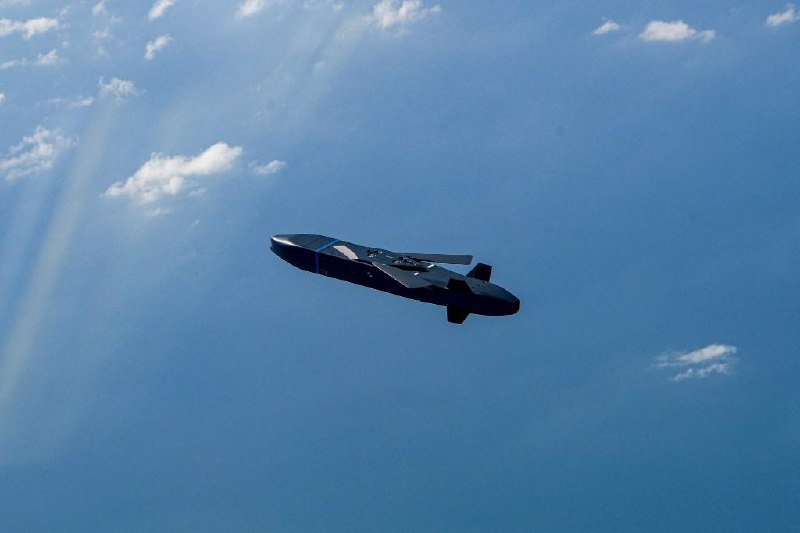
On 5 July 2026, Germany's defence minister publicly closed the door on a question that has nagged Berlin for more than two years. Boris Pistorius, speaking to reporters, said he does not believe Ukraine still needs Taurus cruise missiles. His reasoning, as reported by Kyiv Post and the independent correspondent Noel Reports, was disarmingly tactical: Kyiv's domestically produced long-range drones are already doing the job — hitting oil refineries, fuel depots and other deep-infrastructure targets inside Russia — and at a cost structure that a €2m German cruise round cannot match.
The German position is a quiet vindication of an argument that Kyiv, and a handful of Western analysts, have been making since 2024: that the Western debate over long-range strike was anchored to the wrong weapon. While Berlin and a cautious Bundestag majority agonised over escalation with Moscow, Ukrainian engineers were fielding a generation of drones capable of striking refineries more than 1,000km from the launch line. Pistorius's reframe amounts to a concession that the political block on Taurus was, in operational terms, increasingly beside the point.
What Pistorius actually said
The minister's public remarks were short and stripped of the legalistic hedging that has characterised German statements on Taurus since Chancellor Olaf Scholz's December 2023 freeze. He acknowledged the effectiveness of Ukrainian drone strikes on Russian energy infrastructure, and concluded that the operational rationale for handing over a German air-launched cruise missile had thinned. The remarks, recorded by reporters at a 5 July briefing and relayed by Kyiv Post's official Telegram channel at 14:00 UTC and by Noel Reports at 13:26 UTC, did not constitute a final policy decision — Berlin has not formally cancelled any future consideration — but they effectively relocate Taurus from a live procurement question to a closed file.
That matters beyond symbolism. Germany has been the most consequential holdout in the European Taurus debate. Sweden's decision to authorise Gripen-launched deliveries, and the United Kingdom's Storm Shadow contribution, set a precedent; Berlin's refusal set a ceiling. If the ceiling now lowers by ministerial signal rather than by parliamentary fight, the politics inside the Bundestag shift quietly in Ukraine's favour — even though no missile moves.
The counter-narrative Kyiv hawks will press
The Pistorius line is not uncontested inside the German policy world. Defence hawks, led by figures within the CDU/CSU and a faction of Bundeswehr planners, argue that drones and cruise missiles are not substitutes but complements. Cruise missiles travel faster, ride above most air-defence envelopes, and impose a different cost calculus on Russian commanders running refinery repairs. Ukrainian drone production, impressive as it is, remains vulnerable to Russian electronic-warfare evolution and to the gradual hardening of energy sites behind passive air defences. There is also a deterrent argument: a European-supplied cruise capability signals a different political commitment than a Ukrainian-only deep-strike capacity, and deters Moscow in a way that attritable drones do not.
Kyiv's own framing is more pragmatic. Officials in the Zelenskyy administration have, in private briefings to European counterparts over the past six months, increasingly downplayed Taurus as a priority and emphasised instead the things Ukraine cannot build at home — air defence interceptors, artillery ammunition, and aviation capacity. The Pistorius remarks let both sides claim credit: Berlin can say it stood for restraint, Kyiv can say it surpassed the need.
The structural read
What is unfolding is a quiet rebalancing of what counts as a deep-strike asset. The cruise missile — expensive, exquisite, escalatory — was the political symbol of the war's long-range debate from 2023 onwards. It has now been overtaken, in operational fact if not in headlines, by a category of weapon that is cheap, expendable, and industrially scalable. That shift carries a wider policy implication for European defence planners. A missile that costs millions to procure and demands Western political permission to fire will never be the workhorse of a grinding industrial war. A drone that costs tens of thousands of dollars and can be assembled in a Kyiv suburb will.
The pattern is not unique to Ukraine. The same dynamic is visible in the Red Sea, where Houthi anti-ship drones have reshaped naval risk calculation, and in the Taiwan Strait, where Western planners have begun to price drone attrition into their deterrence models. What the Ukraine war is doing in 2026 is validating that lesson at scale, in real time, against a peer industrial adversary.
Stakes and what remains contested
The near-term stakes are modest. No Taurus rounds are being held back that would otherwise have been supplied; the operational gap, on Pistorius's own account, is already being closed by other means. The longer-term stakes are larger. If European capitals take the wrong lesson — that deep strike is solved and the political agonising was wasted — they may under-invest in the layered architecture (air defence, aviation, electronic warfare, cruise) that Ukraine still needs and that no drone fleet can fully replace.
What remains genuinely contested is the durability of the drone advantage. Russian electronic-warfare units are themselves iterating, and the strike tempo Ukrainian forces have sustained into 2026 is the result of a particular industrial and tactical equilibrium, not a permanent edge. Berlin's reasoning is sound for the present. Whether it ages well is the open question.
Desk note: Monexus framed this as a doctrinal moment rather than a diplomatic one — the wire line on Pistorius's remarks emphasised the German-Ukrainian bilateral optics; the editorial substance sits in the deeper shift from exquisite to expendable strike capacity.
Wire provenance
This editorial synthesis draws on the following public wire/social posts:
- https://t.me/Kyivpost_official
- https://t.me/noel_reports