Iran's Martyr Aesthetic and the Politics of Dying Well
Fars newsreels show mourners pledging fealty to the Supreme Leader in the language of martyrdom — a ritual the regime has perfected, and one Western coverage keeps misreading as pathology rather than policy.
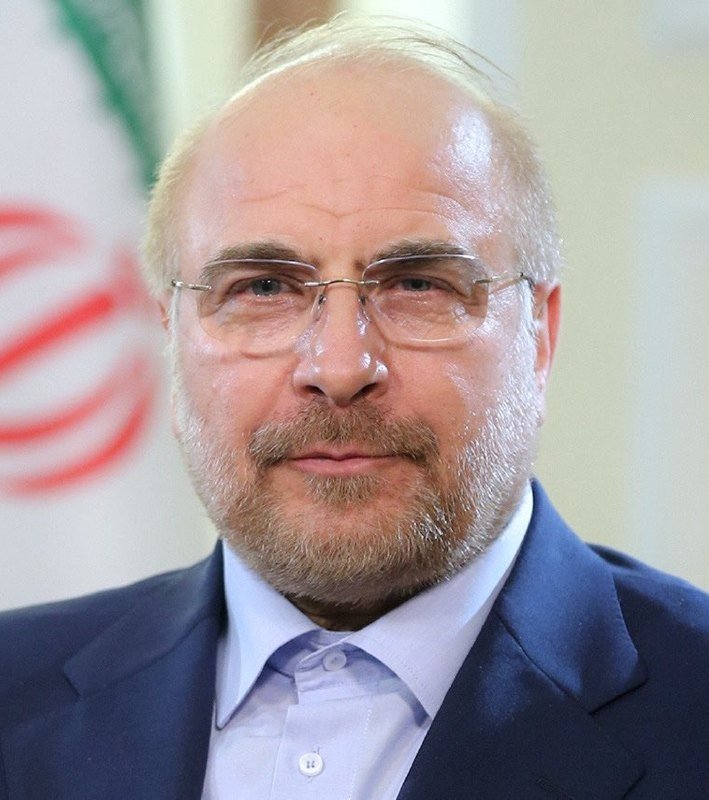
Three short newsreels published by Iran's Fars news agency on 5 July 2026, between 15:59 and 16:46 UTC, share a single visual grammar. A mourner leans into a microphone and swears he was prepared to die ten times over without a hair on his leader being touched. Another clip is billed as a "last promise with the leader of the Martyr Revolution." A third, titled "We didn't come to say goodbye," frames the parting as reunion deferred. The figure at the centre is the late Hossein Yekta, a name Iranian state-aligned outlets have spent the past several days amplifying in eulogies that read less like obituaries than recruitment posters.
The reading that Western editors tend to reach for is the dismissive one: a tired regime performing its rituals for a credulous base. That reading is not entirely wrong, but it is incomplete in ways that matter for anyone trying to forecast Iran's behaviour at a moment when assassinations, regional escalation and the lingering question of a US-Iran deal are all in play.
The ritual is not fringe — it is the operating system
Iran's official culture does not treat martyrdom as a metaphor. The office of the Supreme Leader, the architecture of the Islamic Revolution Guards Corps, the schooling curriculum and the state broadcasters all converge on a single proposition: a death spent in service of the velayat-e faqih is not a loss, it is a transfer. Fars's framing of Yekta — vows to the leader, promises renewed at the graveside, the explicit refusal of "goodbye" — sits inside that proposition. It is the standard register for a security official killed in the line of duty, and the fact that the framing is being pushed in English-subtitled clips on Telegram suggests the audience the regime has in mind extends beyond the Iranian street.
The mechanical effect is that grief becomes a recruitment tool. Every funeral becomes a quiet pledge of continuity. That is not new — Iranian state media has been producing this content for four decades — but the production value, the English-language subtitles and the cross-posting onto messaging platforms that reach European and Levantine diasporas indicate that the target demographic has widened.
Why the Western press keeps misreading it
Western coverage of Iranian state rituals tends to oscillate between two registers: orientalist fascination with the spectacle, and a secular liberal bafflement that treats the language of martyrdom as pathology rather than policy. Neither register is useful. The first exoticises; the second mistakes a coherent ideological programme for mass delusion. The fact that mourners at Yekta's ceremony mean what they say is precisely what makes them consequential — it is why Iran can absorb casualties that would break a less ideologically integrated force, and why the regime can credibly threaten escalation without the rhetorical bluster that Western analysts are trained to discount.
The harder question — and the one that the available footage does not resolve — is whether the symbolism is still doing the work the regime needs it to do. Younger Iranians, surveys suggest, are less reliably captured by the martyrdom frame than their parents were. Fars is broadcasting in English. That fact alone is a tell.
What the symbolism buys the regime
Three things, at minimum. First, deterrent credibility: an opponent that genuinely believes its cadres will absorb losses rather than break is harder to coerce. Second, internal cohesion: every televised pledge to the Supreme Leader is a small reaffirmation of the chain of command that holds the security apparatus together. Third, an export product — Hezbollah's parallel iconography, the Houthi media apparatus, the Iraqi paramilitary-linked channels all read off templates first set in Tehran, and English-language martyrdom reels serve that diaspora of movements as much as the domestic one.
The structural point is straightforward. Martyrdom, in this register, is not the desperate last move of a cornered regime. It is infrastructure.
Stakes and the limits of the read
None of this means the regime is invulnerable. The economic pressure is real, the succession question remains unresolved, and the gap between official narrative and street sentiment is widening rather than narrowing. But if the question is whether the martyrdom frame still functions as load-bearing ideology for the security services — the cadre that actually fires missiles, detains dissidents and projects power across the region — the answer the Fars newsreels give is yes, and they give it in their own voice.
Western readers who treat those newsreels as freakish are mispricing the adversary. They are also missing the production logic: every clip that reaches a Telegram channel outside Iran is a clip the regime expects to be watched by people who do not share its theology, and judged accordingly.
The desk note: Monexus has chosen to describe the Fars footage on its own terms rather than translating it into a Western idiom of pathology. The aim is not endorsement. It is comprehension — and comprehension is what most of the wire coverage on this material currently lacks.
Wire provenance
This editorial synthesis draws on the following public wire/social posts:
- https://t.me/farsna
- https://t.me/farsna
- https://t.me/farsna