The market that prices peace at 39%
A prediction-market contract on a Russia–Ukraine ceasefire sat in the high thirties in early July. The price is auditable, timestamped and narrow; treating it as a forecast rather than a signal is where the analysis starts to break down.
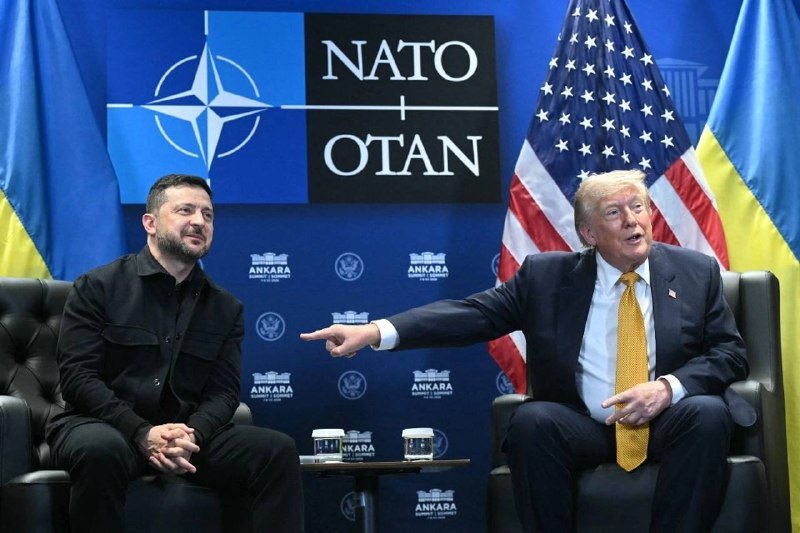
On a Sunday in early July 2026, prediction markets were giving the world a snapshot of how traders priced the chance of a full ceasefire between Russia and Ukraine before the calendar turned. The figure, hovering in the high thirties, sat on a public ledger. Anyone with a browser could watch it tick.
The number itself is the story, because prediction markets have become a kind of unofficial thermometer for conflicts that official channels struggle to describe. When a ceasefire between two warring states can be priced at roughly two-in-five on a liquid exchange, the question shifts from "will it happen" to "what does that probability actually mean".
What the price captures
Prediction markets do not forecast the way meteorologists forecast rain. They aggregate the willingness of traders to put real money behind a binary outcome, and they update in real time as new information lands. A 39% line is not a confident claim that peace is unlikely; it is a snapshot of disagreement, capital and information asymmetry compressed into a single number.
For an event this politically charged, that disagreement is the point. Two traders looking at the same frontline maps, the same diplomatic readouts and the same set of named officials can rationally land on opposite sides of the trade. The market does not resolve the dispute; it monetises it.
Why the number sits where it does
Three structural forces keep a ceasefire probability pinned in the high thirties rather than at the extremes. The first is information. Frontline reporting from Kyiv, daily briefings from the General Staff and the steady drip of Western wire copy give traders something to chew on, but the picture is partial. The second is timing. Wars of this scale rarely end on a single date, and the relevant contract here is binary: ceasefire by a specified horizon, or not. The third is capital. Prediction markets attract participants with very different risk appetites, and the price reflects the marginal trade, not the median belief.
Put differently, the 39% is not a forecast about peace. It is a forecast about whether a specific threshold of agreement will be reached within a specific window, valued by people who have to put dollars behind their view.
The signal and the noise
There is a temptation to treat the figure as a verdict. Some commentators do exactly that, and some partisans on either side of the war will quote whichever number flatters their priors. That temptation should be resisted. The line moves on news the way a thermometer moves on a cold drink: it reflects what just happened, not what will.
A serious reading treats the market as one signal among several. It belongs next to battlefield reporting from Ukrainian and Western outlets, diplomatic sourcing from named officials, and the rhythm of sanctions and arms packages flowing in the other direction. Read in isolation, the price is a curiosity. Read alongside the rest, it is a useful, dated, auditable data point.
What the public ledger actually allows
The virtue of a prediction market is that the price is timestamped, the order book is public, and the contract's resolution criteria are explicit. That makes it possible to argue about the number in a way that arguments about anonymous intelligence estimates or off-the-record briefings usually are not. If the line moves on a Tuesday, the move can be correlated with the news flow from that Tuesday. If it fails to move on a Friday, that absence is itself a signal.
The vice is that the contract is narrow. "Ceasefire" can mean a formal bilateral agreement, a de facto halt in fighting, or something in between, and the resolution rules determine which interpretation wins. Traders who disagree about the meaning of the word will disagree about the price, sometimes more than they disagree about the underlying war.
The stakes of reading it wrong
If a 39% number gets treated as a forecast, three things go sideways at once. Diplomats risk calibrating to a trader's marginal bet rather than to the underlying balance of forces. Pundits risk citing the line as evidence for whatever argument they were already making. And the public risks confusing the price of a contract with the probability of peace.
None of that argues for ignoring the figure. It argues for reading it like any other data point: as a snapshot, taken at a specific moment, by a specific set of participants, under a specific contract design. The snapshot is useful precisely because it is auditable. It is dangerous precisely because it is also legible.
What to watch from here
The interesting question is not whether the line ends the year at 39, at 60 or at 12. It is whether the gap between the prediction-market price and the conventional diplomatic read-out narrows or widens over the months ahead. When those two move together, the market is doing what its boosters claim: aggregating dispersed information into a sharper consensus number. When they diverge, the divergence is the story.
For now, the figure sits where it sits. Roughly two in five. On a public ledger. Timestamp included.