World Cup 2026 knockout stage opens with a Brazil–Norway mismatch the bracket alone can't explain
Brazil opens the Round of 16 against a Norway side built around one striker, while Spain and Portugal meet on Monday in the tournament's most-watched tie.
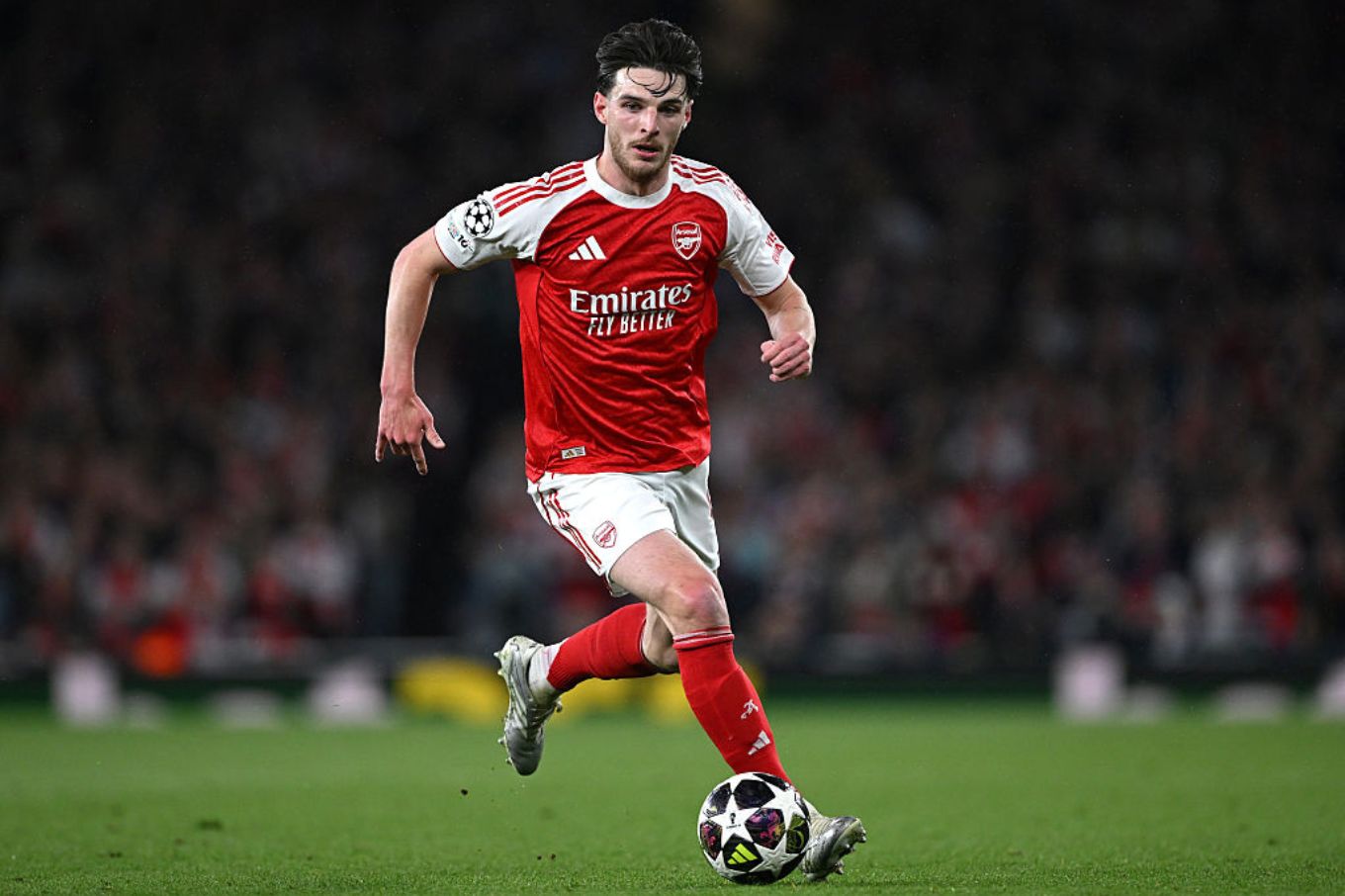
The 2026 FIFA World Cup rounds into its knockout phase this weekend with a fixture list that rewards anyone betting against the form chart. On Sunday at 18:30 UTC, Brazil meet Norway in the Round of 16; roughly forty-eight hours later, Spain face Portugal in the tie the bracket has been pointing toward since the groups were drawn. CBS Sports' SportsLine desk published its full betting card for both matches on 5 July 2026, and the pricing inside that card tells the more interesting story than the matchups themselves.
The gap between the two favourites and the two underdogs is unusually wide for a knockout round. Brazil are priced as comfortable favourites over Norway, and Spain are similarly short against Portugal. That pricing is not an accident of the betting market. It reflects how the tournament's group stage resolved: Brazil finished top of a section no one else in their quarter could realistically threaten, while Norway advanced as the second-place side from a group that exposed them twice to high pressing. Spain and Portugal, by contrast, are two of three teams from UEFA that landed in the same half of the bracket, which is why they meet this early.
What the Sunday card looks like
SportsLine's team of experts released their World Cup parlay and best-bets card for Sunday's matches at 18:30 UTC on 5 July 2026. Brazil–Norway anchors the slate. The model the analysts are running has Norway as the second-longest underdog of the entire round, behind only the lowest-seeded side left in the field. That is a function of two things: Norway's dependence on Erling Haaland to convert the chances their midfield creates, and Brazil's depth across the front four. Norway have shown they can hold a block against technically limited opponents; they have not shown they can do it for ninety minutes against a side that presses as high as Brazil do.
The corollary is that the value in Sunday's card sits in the derivatives rather than the outright result. SportsLine's projection points to Brazil winning by more than one goal, which is why the recommended structure leans on a Brazil -1.5 line and over 2.5 total goals rather than the moneyline. Norway's striker is the kind of forward who needs only one chance to dent a scoreline, which is the case for taking the over on Norway anytime-scorer markets at long odds rather than betting them to win.
The Spain–Portugal bracket problem
Monday's Spain–Portugal tie is the more consequential of the two matches, and it is the one the Round of 16 bracket has forced forward. Portugal finished second in their group behind a side most observers had pencilled in for the quarterfinals, which dropped them into Spain's path a round earlier than either federation would have preferred. The SportsLine model published at 16:19 UTC on 5 July 2026 prices Spain as favourites, but the margin is far thinner than the Brazil–Norway line.
The reason is structural. Spain's possession game gives up chances only in transition, and Portugal under their current manager are one of the few international sides organised to punish exactly that. Both teams have shown vulnerabilities at set pieces, which is unusual for two sides whose domestic leagues have spent five years pushing the rest of Europe toward zonal marking. If the match is decided by an early set-piece goal, the favourite tag dissolves. SportsLine's recommended structure here leans toward both teams to score and the draw at full time, rather than a Spain moneyline that the model doesn't believe in at the offered price.
The bracket bias that shaped the whole round
It is worth saying plainly that the Round of 16 lineup this year is not a fair sample of the field. Three of the eight ties pit a strong UEFA side against a side from outside UEFA that squeaked through the group, and two more pit CONMEBOL teams against AFC qualifiers. The structure rewards confederation strength in the draw and penalises stylistic diversity. Norway are a useful case study: they finished second on goal difference behind a side that took four points off Brazil and Argentina in the group, and yet they were always going to draw one of the tournament favourites in the first knockout game. That is how the bracket was built, not how the football played out.
FIFA's seeding system puts twelve group winners into a pool drawn against the four best-placed runners-up, with the remainder sorted by confederation to keep early-round travel manageable. It is a reasonable logistics solution that produces unreasonable knockout matchups. Whether the tournament should switch to an open draw — the model used by UEFA for the Champions League knockout stages — is a question the confederations will eventually have to answer, because matches like Spain–Portugal in the first knockout round are a loss for everyone: the teams lose a deeper run, the broadcast partners lose a marquee quarterfinal, and the host markets lose the storylines they were sold.
What the next 72 hours actually decide
The honest read on the slate is that Brazil should beat Norway without much trouble, and Spain–Portugal is a coin flip priced slightly toward Spain. If both favourites win, the quarterfinals simplify into a Brazil–Spain semifinal narrative, which is the storyline the broadcast partners would prefer. If Norway or Portugal pull the upset, the bracket opens for one of the sides currently sitting in the other half of the draw. SportsLine's analysts are not predicting upsets, but they are pricing for the variance: their recommended parlay structures the heavier favourites in parlays with goal lines rather than moneyline legs, which is how you keep exposure bounded when the knockout round is shorter than the model thinks the favourite's edge actually runs.
There is one thing the sources do not settle and that no model can: the refereeing. Both Spain and Portugal have reason to feel hard done by in their group games, and Norway's last group-stage performance turned on a second-half dismissal that the post-match coverage called marginal. Knockout football at this level is decided as often by the officiating crew as by the tactics sheet, and that variable is the one none of the betting structures can price cleanly.
This article reflects Monexus's reading of CBS Sports' SportsLine betting card as published on 5 July 2026, and is not a recommendation to wager on either match.