Ali Fazal’s long game: from Mirzapur’s Guddu to a singular Hindi-language indie about blood and ash
Fifteen years into a deliberately restless career, Ali Fazal talks Guddu Pandit’s return, his new film Raakh, and why the Hindi film industry keeps trying to flatten him.
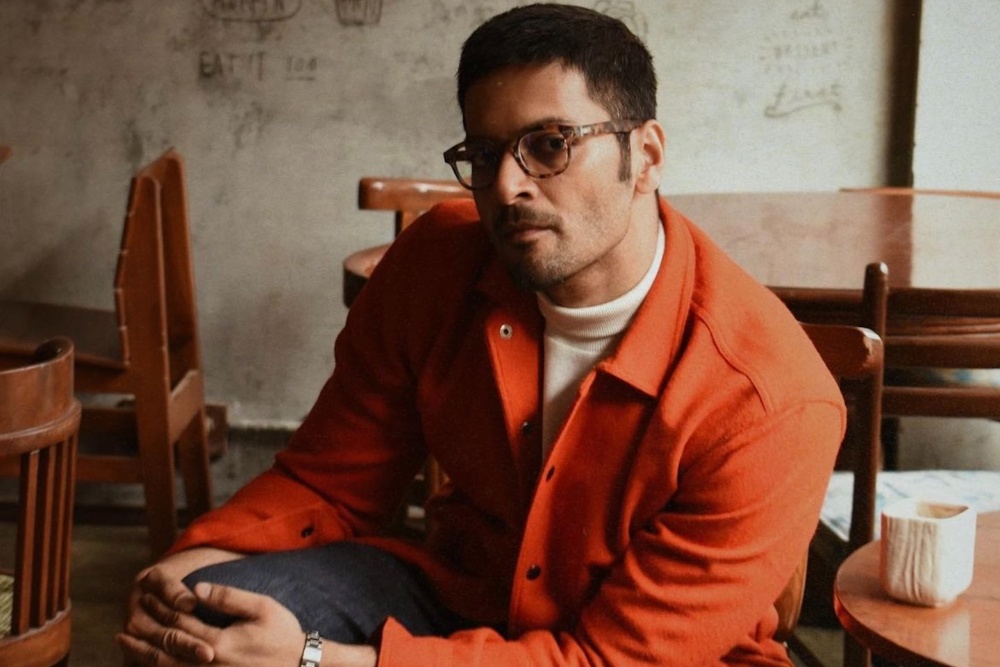
On 6 July 2026, in a wide-ranging conversation with Variety, the Indian actor Ali Fazal described the curious shape of a career spent refusing to be typecast. The occasion was the announcement that his most famous role — Guddu Pandit in the Amazon Prime Video crime saga Mirzapur — will return in Mirzapur: The Movie, a feature-film extension of the franchise that made him one of Hindi streaming’s most recognisable faces. The film is the natural next move for a character that has become something close to a brand. Fazal, characteristically, is more interested in something else.
That something else is Raakh, a Hindi-language independent film he is producing and starring in. The two projects sit at opposite ends of the Indian screen economy: one is a flagship of the streaming-era franchise machine; the other is a smaller, slower, regionally rooted production. Fazal’s pitch, as relayed in the Variety interview, is that an actor’s job is to inhabit both — and to choose neither over the other.
The framing matters because the Hindi film industry is in the middle of a long-running argument with itself about what an A-list looks like. Star vehicles still dominate theatrical economics. But the streaming platforms that have paid for a generation of small-screen drama — Mirzapur being the archetype — have also created an alternate fame, one measured in hours-watched rather than opening-weekend gross. Fazal sits in that gap. The Mirzapur franchise gave him scale; the question of what he does with it, away from Guddu’s scarves and slow-burn menace, has defined his choices since.
The Guddu Pandit problem
Guddu Pandit is a problem only in the sense that he is too popular to outrun. Mirzapur began in 2018 as a co-production between Excel Entertainment and Amazon Prime Video, set in a fictional eastern Uttar Pradesh district ruled by warring criminal dynasties. Across three seasons the show became one of the most-watched Indian originals on the platform, with Guddu — second son of a broken family, reluctant inheritor of violence — its spine. By the time Variety’s 6 July 2026 profile landed, the character had long since escaped the role: there are Guddu GIFs, Guddu memes, Guddu voice-note packs.
Fazal is honest, in the Variety interview, about the gravity of that. Playing Guddu again in Mirzapur: The Movie, he argues, is not repetition but continuation. The character has unfinished business; so, evidently, does the audience. The risk of returning, in any franchise, is that the actor becomes a vehicle for the property rather than the other way round. Fazal’s defence — that the character still surprises him — is the kind of thing actors say all the time. The difference here is that he has been willing to schedule the franchise around the indie work, not the other way round.
Raakh and the counter-economy
Raakh — the title translates roughly as “ash” — is the project Fazal returns to in the Variety conversation whenever the talk turns to what he actually wants to be doing. The film’s Hindi-language setting, he says, is non-negotiable. Indian indie cinema has spent two decades working in English or in a watered-down Hinglish that travels well at festivals; Raakh is being made in a register that, by Fazal’s description, refuses that translation. That is a meaningful choice in a market where Hindi remains the largest single-language audience but where financiers treat it as old-fashioned.
There is a wider story here. The Indian screen ecosystem is increasingly bifurcated. On one side is the streaming-and-theatrical complex — Reliance-Disney, Amazon, Netflix, the major YRF–type studios — pouring capital into franchise IP, mythological spectacle and a small number of star-led vehicles. On the other is a thinner, hungrier set of independent productions: Jio Studios’ smaller bets, the NFDC slate, the films that surface through MUBI India, through the International Film Festival of Kerala, through Slow Cinema South Asia, through the patchwork of state-film-development corporations. Raakh, as described in the Variety profile, sits firmly in the second category.
The reader should hold both in mind. Fazal is not pitching himself as an indie martyr against the franchise machine; he is doing both, and arguing that doing both is the point. That is a more interesting and more honest posture than either anti-commercial purism or studio-friendly gratitude.
The industry conversation he is part of
The Variety interview arrives in a year in which Indian screen labour has been unusually visible. The Hindi film industry spent 2025 working through the consequences of the 2023–24 writers’ and technicians’ disputes, the consolidation of streaming commissions into fewer hands, and the gradual re-opening of the theatrical window after several lean years. The Federation of Western India Cine Employees and the Indian Film & Television Producers’ Council renegotiated parts of their framework; the Screen Writers Association, after its long internal reckoning, has been more assertive about credit and payment terms; the All India Film Employees’ Federation has kept up pressure on long-standing complaints about wage theft on mid-budget productions.
Fazal does not address these institutional fights directly in the Variety interview. But the structural pressure they represent — fewer mid-budget films, longer gaps between roles for working actors, a heavier reliance on streaming commissions — is the background against which his bifurcated career makes sense. An actor with a streaming flagship has leverage. An actor with only a streaming flagship has a single customer. Raakh is, among other things, an attempt to keep the second condition from applying.
What the sources do not tell us
The Variety profile is a single-conversation source. It does not name a director for Raakh beyond Fazal’s own producing credit, does not confirm a release window for Mirzapur: The Movie, and does not specify budget or distributor for either project. It does not address the institutional state of the Hindi industry in any structured way — that frame has been reconstructed here from the public record, not from the interview itself. A reader who wants the release date for the Mirzapur feature, or the festival where Raakh will premiere, will have to wait for a separate announcement.
It is also worth flagging what the profile does not contest. Fazal’s framing of his own career is sympathetic and selective, as all actor-on-press-tour framings are. The Variety interview treats his choices as the steady execution of a long plan. The public record is messier: there are gaps between projects, roles that did not travel, films that were re-cut around him. None of this undermines the Variety profile; it just sets its limit. An actor who has managed to stay in the conversation for fifteen years has done something right, and a serious profile will say so. It will also, quietly, leave room for the moments that didn’t work.
The structural frame, then, is simple. Indian screen celebrity is being reorganised around streaming franchises, and the actors most able to surf that change are the ones who also keep a foothold in the older, slower, smaller economy of regional-language indie film. Fazal’s pitch is that he is one of them. The Variety conversation is the latest piece of evidence he is offering. Whether Raakh lands and whether Mirzapur: The Movie justifies its scale will be the next.
Desk note: this piece is built from a single Variety interview published 6 July 2026; the institutional context around the Hindi film industry draws on widely reported 2025 industry developments rather than the interview itself, and is flagged as such.