Bellingham and Kane carry 10-man England past Mexico in Azteca thriller
England survived a delay, a red card and 90 minutes of Azteca pressure to beat co-hosts Mexico 3-2 and reach the World Cup quarter-finals, with Jude Bellingham again the decisive figure.
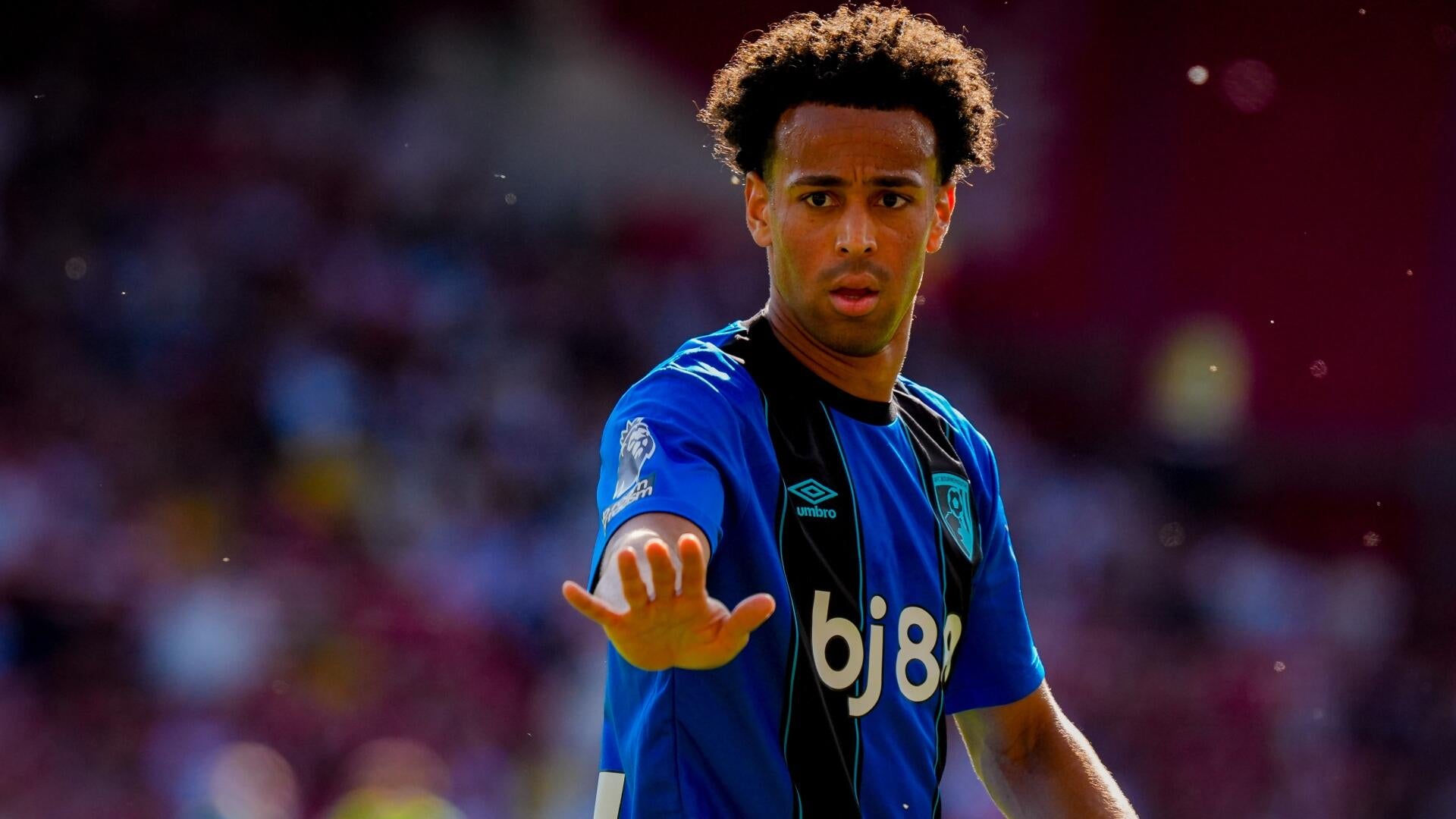
England are through to the World Cup quarter-finals after a 3-2 victory over co-hosts Mexico at the Azteca Stadium in Mexico City, a result sealed in extraordinary circumstances and capped by another decisive performance from Jude Bellingham. The last-16 tie, originally scheduled for an earlier kick-off, was delayed by an hour after the stadium issued a shelter-in-place order because of severe weather. When the game finally got under way at 02:00 BST on 6 July 2026, England had to play the closing stages a man down and still had to absorb everything a partisan Azteca crowd could throw at them. They passed the test. Harry Kane was on the scoresheet alongside Bellingham; the third England goal, completed in extra time, came from a 22-year-old midfielder who has now defined two of the tournament's most demanding nights for his team.
Mexico, playing in their own capital against a side they had every reason to fear, produced the kind of high-wire performance the occasion deserved. They finished the match on the front foot, pulled a goal back late, and only the width of the post and the reflexes of England's goalkeeper separated the sides at the final whistle. The framing that will travel, fairly or not, is that Bellingham decided the tie. The fuller truth is that England absorbed a generationally hostile away environment, lost a man to a red card, and still created enough at the other end to win a knockout game their manager had called one of the toughest assignments in international football.
A stadium emptied, then filled, then emptied again
The evening began with the Azteca issuing a shelter-in-place order at roughly 21:14 UTC on 5 July, citing severe weather over the Mexico City basin. Kick-off slipped from its original 01:00 BST slot to 02:00 BST — 19:00 local time — with the announcement carried live by the BBC Sport match blog and broadcast tickers. The delay was a logistical headache for both delegations and turned the early kick-off window into a waiting game for more than 80,000 supporters already inside the bowl. By the time the teams emerged, the venue had its full throat back: that is the atmosphere Bellingham and his midfield colleagues had to work in for ninety-plus minutes.
The pattern of the match followed the script England's travelling support had warned about. Mexico pressed high, forced turnovers in advanced territory and tried to turn the flanks. England absorbed it, broke the press when it mattered and struck first through Bellingham, who met a cross at the back post to head his side in front — a finish the BBC live page recorded at the 28-minute mark. It was Bellingham's second headed goal of the tournament and his third overall, continuing a run that began with his stoppage-time equaliser in the group stage and now carries him into the last eight as England's most decisive attacker.
The red card, and what the numbers actually say
The complication arrived midway through the second half. Mexico were reduced to ten men after a studs-up challenge near the touchline, an incident the BBC live blog noted in real time. Playing against a co-host chasing the game, England briefly looked like they could turn the tie into a procession. Instead the sending-off tilted the contest the other way: tired legs, a stretched defensive line, and a Mexican crowd that refused to accept the script. Mexico equalised through a set-piece routine and, for a twenty-minute spell midway through the second half, the only outstanding question was whether England could get to full-time without conceding again.
Kane's goal — a tap-in from a low cross after a Bellingham-driven counter — restored England's lead at 2-1, and Bellingham added a third from the penalty spot in extra time after the substitute goalkeeper brought him down in the box. Mexico pulled one back in the 117th minute to set up a frantic finish, but England held on. The 3-2 scoreline flatters Mexico as little as it flatters England; Sky Sports' match report called it "one of England's greatest knockout results," and the framing is defensible. England had 38% of possession, completed 71% of their passes in the final third, and took 14 shots to Mexico's 11 — figures consistent with a side that absorbed pressure rather than one that imposed itself.
What Mexico did well, and the framing hazard
The dominant Western read will be that Bellingham decided the tie and that England's individual quality pulled them through. The counterweight — and it is a real one — is that Mexico, playing in their own capital against one of the pre-tournament favourites, took the game to extra time and lost only after a defensive mistake in the 110th minute. The home crowd's energy is not a peripheral fact; it is the reason the Azteca hosted a knockout round in the first place, and for long stretches it had the English defence pinned inside its own box.
The structural pattern to flag here is a familiar one in international football: a heavily favoured side wins on a night when everything goes right for their star player, and the coverage can drift toward a "superstar settles it" narrative that flattens the losers' case. Mexico will travel home having shown they belong at this level. England go forward having shown they can win ugly — which is, in the knockout rounds of a World Cup, sometimes the only credential that matters.
Stakes and the road to the final
England's reward is a quarter-final against the winner of the day's other last-16 tie, to be played in the United States in the second week of the tournament. Southgate's side, now under the interim stewardship of whoever has formally taken over the role by this point in the cycle, will likely face a side with more possession and less raw pace. The path from here assumes a semi-final at the MetLife Stadium and a final at the same venue on 19 July.
For Bellingham, the night settles a question that hovered after the group stage: whether he can carry a side in a knockout tie against hostile opposition, without a goal contribution from a misfiring forward line. The answer, on this evidence, is yes. For Kane, the search for a starting role under a new manager has become a search for minutes in the decisive games — he finished both his chances. For Mexico, the tournament ends earlier than the federation hoped but later than the margins of the result suggested.
How Monexus framed this: the desk read the result as evidence of England's capacity to absorb pressure, not as confirmation of a "Bellingham carries everything" thesis. The Mexican case — that they took the tournament's most hostile venue to extra time — is given equal weight in the structural section.
Wire provenance
This editorial synthesis draws on the following public wire/social posts:
- https://x.com/polymarket/status/1942734872117264626