Ronaldo, 41, walks into his last World Cup knockout game against Spain — and the script writes itself
Cristiano Ronaldo confirms Monday's round-of-16 clash in Dallas will be his final World Cup appearance. Twenty-three years into his international career, he meets the one opponent with the rest of the tournament's worth of storyline weight.
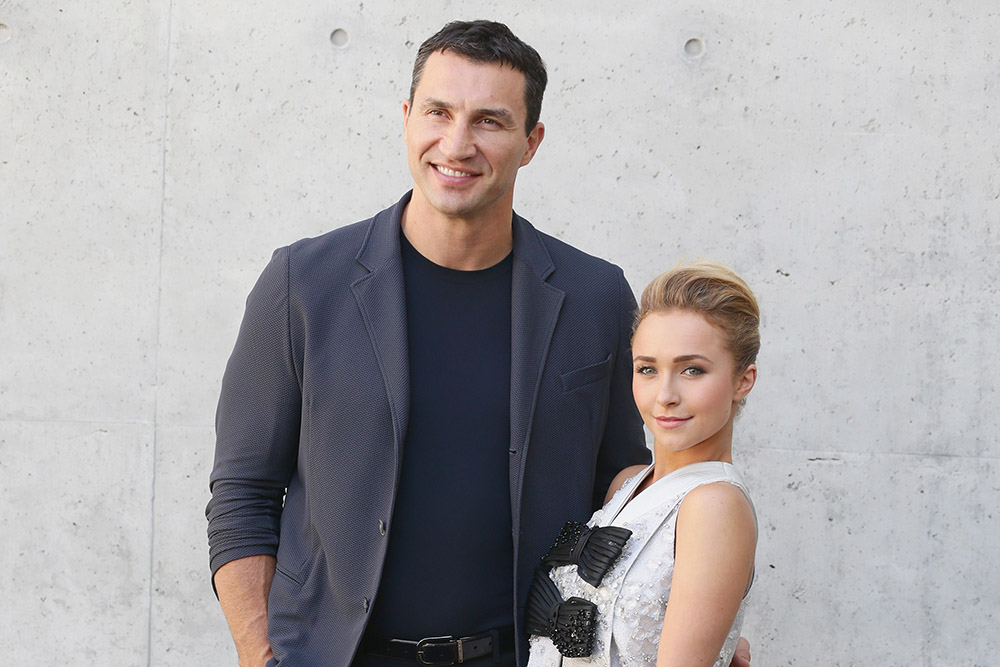
Cristiano Ronaldo has confirmed that the 2026 World Cup is his last, and the draw has obliged him by sending him straight into the kind of fixture that turns farewells into folklore. Portugal meet Spain in a round-of-16 tie in Dallas on Monday, a single-elimination duel between two of European football's heaviest brands, and a stage the 41-year-old has spent two decades telling anyone who would listen that he still belongs on. The timing is either cruel or perfect, depending on which side of the touchline you stand.
The phrasing he has used, in interviews surfacing across the British and American press over the past 24 hours, is that "this World Cup will be my last" as a player, with the Spain clash landing one day before the anniversary of his senior debut for Portugal. It is the kind of line that reads like a man preparing the room for what he already knows is coming. "You've been trying to kill me for 23 years," he told one set of reporters — a line that sounds like grievance until you remember he is still here, still starting, still being asked the same question about whether he should start.
The record everyone keeps trying to retire
The case for Ronaldo starting against Spain runs through his own obstinacy as much as his statistics. He is appearing at his sixth World Cup, an outlier even by the standards of players who treat international retirement as a suggestion. Portugal's manager has spent the group stage answering the same question in different press conferences, and the framing has tilted steadily from tactical curiosity to symbolic theatre: keep him, and you carry his legacy; drop him, and you ratify a succession the rest of European football has already endorsed.
The weight of the choice is compounded by who is on the other side. Spain arrive with the deepest midfield at the tournament and a manager who has spent the cycle rebuilding the national team around a younger generation. A loss in Dallas does not end Spain's tournament; it ends Ronaldo's. Spain can absorb the result and keep walking. Portugal cannot.
The Spanish counter-frame
Coverage in the Spanish press, where it has been picked up alongside the BBC and Sky reporting, has framed the tie less as Ronaldo's curtain call than as a referendum on whether Portugal's tactical deference to their captain is still defensible at elite level. The premise is straightforward: Spain's press has built its World Cup identity around possession, press resistance, and a front line rotated by workload rather than name. A 41-year-old forward, however venerated, complicates every one of those principles. The structural argument inside Spanish reporting is that ties like this are decided in the middle third, and the middle third is no longer a place where sentiment survives.
This reading is not unkind. It treats the contest as what football matches actually are — a question of who is better on the day — rather than a documentary about a man whose autobiography has run long.
Twenty-three years is the headline, the legs are the subhead
The figure keeps appearing because it is unrepeatable. Twenty-three years between a senior debut and a sixth World Cup puts Ronaldo beyond the bracket where international careers are usually measured. The body of evidence is well established: he has scored in five different World Cups, he holds the all-time international goals record by a margin so wide that the second name on the list is now a footnote rather than a rival. None of that answers the question the Dallas pitch will answer on Monday, which is whether the residual gap between Ronaldo on form and the elite forward line Spain will probably field is small enough to survive a knockout round.
It is also worth being honest about what the reporting does not yet establish. The lineup decisions will be made in a closed training session; injury status, minute management, and the manager's reading of the room will all shape the team sheet in ways the press conferences will not have previewed. The Spanish camp, for its part, has treated the tie with the same compressed seriousness it has given every opponent in the tournament.
The stakes outside the touchline
Federation-level, the commercial weight of the fixture is its own story. Portugal–Spain at a World Cup knockout stage sells itself in any market, but in a tournament co-hosted across three North American countries, the broadcasting economics of an Iberian derby in Texas feed into a tournament model that was always going to lean on its marquee players while they remained standing. Ronaldo's retirement, when it comes, will arrive in a media-rights environment where each of his remaining appearances is an inventory event the size of a season opener.
For Portugal, the question is sharper. The federation has built its competitive infrastructure around this generational hinge — a captain who has played in every tournament since the early 2000s, who is currently the oldest outfield player at the World Cup, and whose absence will require the same kind of reset that Spain managed a decade ago when an older generation stepped aside. The Dallas result will not decide that reset, but it will set the political weather inside the squad for the next two years.
Spain's stakes are simpler and more clinical. Win and the path opens in a way the bracket rewards. Lose and the tournament remembers it as the night a 41-year-old refused to let the script go. Either way, the result will not retire the argument that has followed Ronaldo across five World Cups and into his sixth.
This article leans on the wire confirmation that Ronaldo has framed this as his final World Cup and the round-of-16 fixture with Spain in Dallas on Monday. The structural reading — generational succession versus institutional loyalty — is Monexus's framing, drawn from how the British and Spanish press have set the terms of the tie.