When FIFA picks a side: the Balogun ruling and the new politics of the men's World Cup
FIFA suspended Folarin Balogun's red-card ban to clear him for the United States' group match against Belgium. The political reaction, from Washington to Brussels, exposed how thinly sporting institutions sit on top of state power.
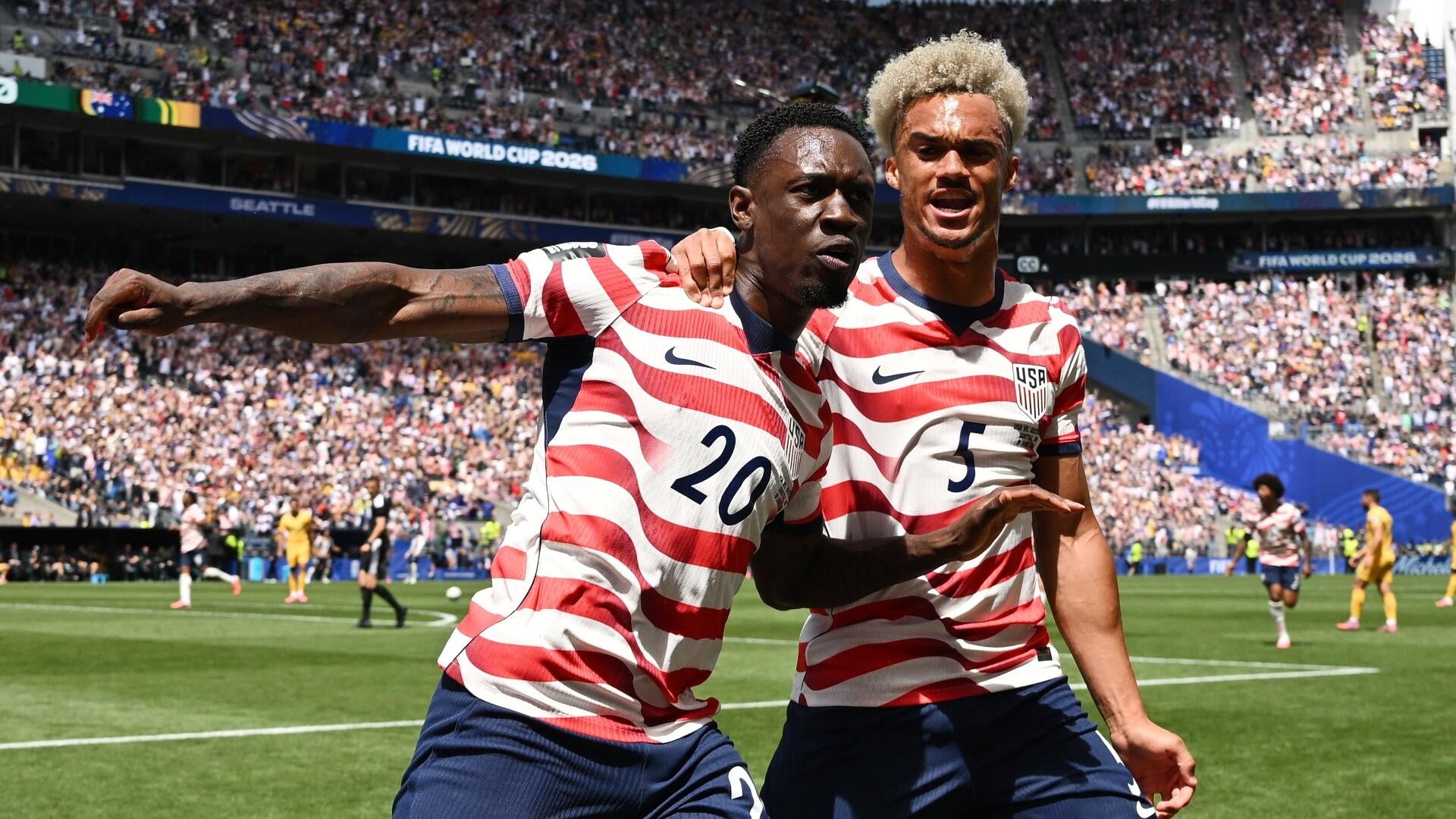
On 5 July 2026, FIFA did something it almost never does. It suspended the one-match ban arising from Folarin Balogun's red card and made the United States striker available for the men's World Cup group fixture against Belgium. The decision, confirmed by breaking-news alerts at 17:16 UTC, cleared a player whose absence had looked certain, hours before kickoff.
The ruling is small. The reaction was not. Within minutes the White House was issuing a presidential thank-you to FIFA for what it called "reversing a great injustice." By late evening, the Belgian Football Association had replied that it was "astonished" and was weighing "all potential options." A routine disciplinary file had become a bilateral incident, with the tournament's biggest federation on one side, an Nato ally on the other, and a Swiss-overseen governing body in the awkward middle.
What FIFA actually decided
The case began in a group-stage fixture, where Balogun was shown a red card and triggered the regulation one-match suspension. For most players that is the end of the story: sit it out, return for the next round. For the United States, hosting the World Cup and trying to escape a group that includes Belgium, the loss of a starting forward to a single game was a non-trivial blow.
FIFA's announcement on 5 July, at 17:16 UTC, framed the intervention as a procedural adjustment to the suspension rather than a clearance of guilt. In plain terms, the ban was paused. The framing matters. Disciplinary relief on clemency grounds is one thing; relief on technical grounds is another. The governing body's choice of language, and the speed of the announcement, gave both readings room to breathe.
The political response
The first phone-call was not from a federation. At 17:28 UTC, a thank-you from Donald Trump landed on FIFA's desk, praising what he called "reversing a great injustice." The intervention was unusual only in its explicitness — the United States has long made clear that World Cup hosting sits inside its diplomatic portfolio, not its sports one. But a presidential message on a single-player disciplinary file is a category of its own.
Belgium's response arrived roughly four hours later, at 21:58 UTC: "astonished," weighing "all potential options." On 6 July, Al Jazeera English reported the wider fallout, including the Trump statement to FIFA. For a country whose federation has spent more than a decade campaigning for greater refereeing consistency, the optics of a host nation's president publicly lobbying, and winning, on an individual player's behalf are unflattering. The complaint is not that lobbying occurs — federations lobby FIFA constantly. It is that the lobbying worked, visibly, in real time.
Why this sits inside a larger pattern
Hosting rights have always carried influence. The Qatar cycle delivered a winter tournament; the United States cycle is delivering bigger television deals, an expanded 48-team field, and a slug of games in markets where football does not yet have a professional league. None of that required FIFA to rewrite its disciplinary code in the middle of a tournament.
What changed is the willingness of the host state to treat the tournament as a stage on which its preferences should be visible. A presidential call on a player's ban is, structurally, the same gesture as a foreign ministry calling a regulator on a merger review: a signal that the file has been noticed at the highest level and that the outcome matters. The fact that the call landed publicly, and that a federation from a Nato ally reacted publicly, tells you how thin the line now is between a sports ruling and a diplomatic exchange.
This does not mean FIFA is captured. It does mean the cost of being seen to favour the host — even on a minor file — has dropped. The institution has plenty of plausible deniability: the technical case for the ruling exists independently of who lobbied. The problem is that plausible deniability is now doing structural work it used to do for bigger questions.
The stakes for the rest of the tournament
For the United States squad, the immediate benefit is clear. Balogun is available against a Belgian side whose own attacking depth does not look quite as deep. The on-field stakes are real, even if they are also containable.
The off-field stakes are larger. Belgium's "all potential options" language is a fuse. The options range from a formal protest letter — manageable, dignified, mostly symbolic — through to a refusal to play in the affected fixture, which would invite expulsion from the tournament and produce a constitutional crisis at FIFA with no obvious precedent. Belgium is unlikely to choose the latter. But the fact that the option is on the table, and is being reported as such, sharpens the question for every smaller federation drawn against the hosts in the remaining fixtures: what does recourse look like when the host's head of state is openly weighing in on your group game?
Two things remain genuinely uncertain. The technical grounds FIFA used to lift the ban have not been published in a form that outside lawyers can audit, which leaves room for either a clean explanation or a slow leak that complicates the body. And Belgium's "all potential options" may simply be diplomatic theatre — a public tap on the wrist before business as usual — or it may not. The next 48 hours of federation statements will be more informative than the match itself.
Wire provenance
This editorial synthesis draws on the following public wire/social posts:
- https://t.me/aljazeeraglobal
- https://x.com/polymarket/status/1945397000000000001
- https://x.com/polymarket/status/1945397000000000002
- https://x.com/polymarket/status/1945397000000000003