Messi and Argentina snatch quarter-final place from Egypt in 3-2 thriller
Two goals down and minutes from elimination, Argentina's captain dragged his team back into the World Cup quarter-finals with a late rally that ended Egypt's run.
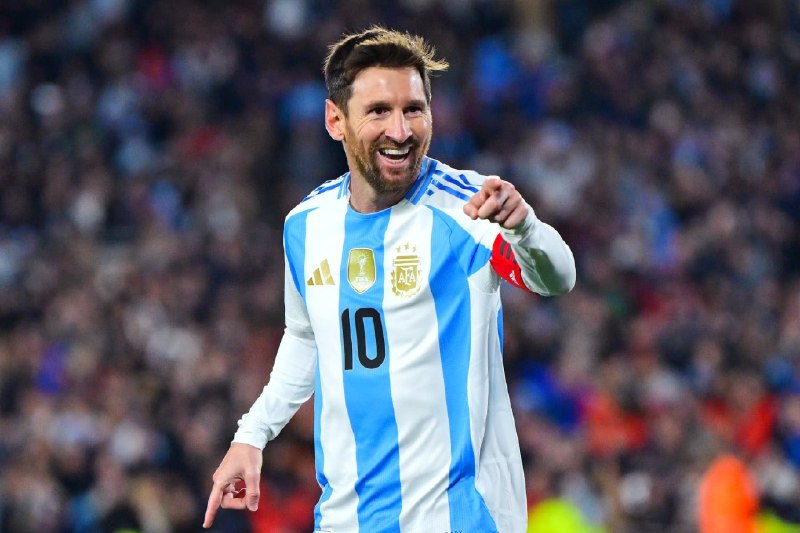
Two goals down with the clock running out, Argentina did what Argentina have done at almost every World Cup in living memory: they kept going. Lionel Messi, who for long stretches on Tuesday had looked every one of his 38 years, scored once and drove the move that produced the winner as the defending champions beat Egypt 3-2 in a knockout round that pushed 2026's tournament into the kind of theatre the World Cup usually reserves for itself.
The result, confirmed by Argentina's progression to the last eight by roughly 18:30 UTC on 7 July, sends one of the pre-tournament favourites through and ends the most successful Egyptian World Cup campaign in modern memory. It also recalibrates the bracket at the exact moment the United States, Canada and Mexico co-hosting experiment begins to feel like a tournament rather than a logistics exercise.
How the game actually turned
Egypt, organised and disciplined through the first hour, did what almost no one in the build-up thought they could: they out-footballed Argentina for stretches. The African side absorbed early pressure, broke lines on the counter, and went into the interval with something to defend — a two-goal cushion that converted a romantic underdog story into a genuine test of the holders' nerve.
The shift came in the final third of the match. Argentina shortened the deficit, levelled, then struck the decisive blow in the closing minutes as Egypt tired and the spaces behind their midfield grew. Messi's influence was not just statistical. The captain's movement created the corridors that the second and third goals travelled down.
France 24's match report framed the encounter as a thriller that the holders had nearly handed away; the Hindustan Times photo string captured Messi visibly emotional after the final whistle, a detail that read less as theatre than as relief — the posture of a player who knows exactly how close the tournament had come to ending without him in the quarter-finals at all.
What Egypt did right — and why it wasn't enough
Egypt's run to this round was built on defensive coherence and clinical transition moments, a blueprint that worked against higher-ranked opposition earlier in the tournament. For 60-plus minutes against Argentina it worked again. The Pharaohs didn't merely park; they threatened, and at one point led by two clear goals.
That the pattern broke down the way it did — Egypt's bench shortened, Argentina's bench lengthened, and the game's physical ledger tipped — is the standard read. Less standard, and worth flagging: the late collapse was not purely a fitness story. Argentina's tactical changes, particularly in midfield and on the flanks, altered the geometry of the contest in ways that Egypt's structure, settled by the hour mark, could not absorb.
For African football the broader signal is mixed. Egypt reached the knockout rounds of a World Cup hosted outside the continent and won games to get there. The ceiling, against a side of Argentina's depth, remained just out of reach.
A tournament still finding its rhythm
The 2026 edition is the first World Cup with 48 teams and the first spread across three host countries. Early rounds have been dominated by the practical concerns that scale brings: travel, stadium readiness, broadcast logistics, and a group stage that runs longer than any predecessor. The marquee knockouts are where the football is supposed to take over.
Argentina-Egypt delivered on that brief. The match had goals, momentum swings, a player-of-the-tournament cameo and a result that reordered the bracket. For neutral viewers in the United States, Mexico and Canada — the venues that FIFA depends on to convert curiosity into lasting audience — the closing minutes were the advertisement the format needed.
The structural question this World Cup will eventually be judged on is not whether the football was good; the football, in matches like this one, was excellent. It is whether the surrounding apparatus — fixtures spread across three federal jurisdictions, club-versus-country calendar disputes, the new 32-plus fixture load — held up. On the evidence of Tuesday's closing passages, the sport did. The logistics will get their own verdict later.
What the quarter-final now looks like
Argentina go forward carrying two distinct signals. The first is negative: the defending champions spent a full hour looking like a side that did not deserve to advance. The second is the more familiar one — that when Messi is on the pitch and the game tilts late, Argentina tend to find a level that opposition cannot match.
For the team that beat them in 2022's opener in Lusail, the lesson was supposed to be humility. That lesson is, as of this match, half-learned. The holders survived. They did not convince.
Egypt's exit closes a campaign that exceeded expectations and fell, narrowly, short of a historic one. The Pharaohs leave the tournament with credibility intact and a template — defensive solidity, vertical speed, set-piece threat — that will travel into the next World Cup cycle.
This article relied on wire reporting and photo strings from France 24, the Hindustan Times, Standard Kenya and BRICS News to reconstruct the match. Monexus frames the result within the broader question of how the 48-team, three-host format is landing — a beat that the wires have covered fitfully, and that domestic match reports do not address at all.
Wire provenance
This editorial synthesis draws on the following public wire/social posts:
- https://t.me/hindustantimes
- https://t.me/StandardKenya
- https://t.me/bricsnews
- https://en.wikipedia.org/wiki/2026_FIFA_World_Cup