Round-of-16 exit leaves USMNT with the same question it has taken to four straight World Cups
A 4-1 loss to Belgium in Seattle sends the United States home at the round of 16 for the fourth consecutive World Cup, and the post-mortems read less like a rebuilding plan than a recurring diagnosis.
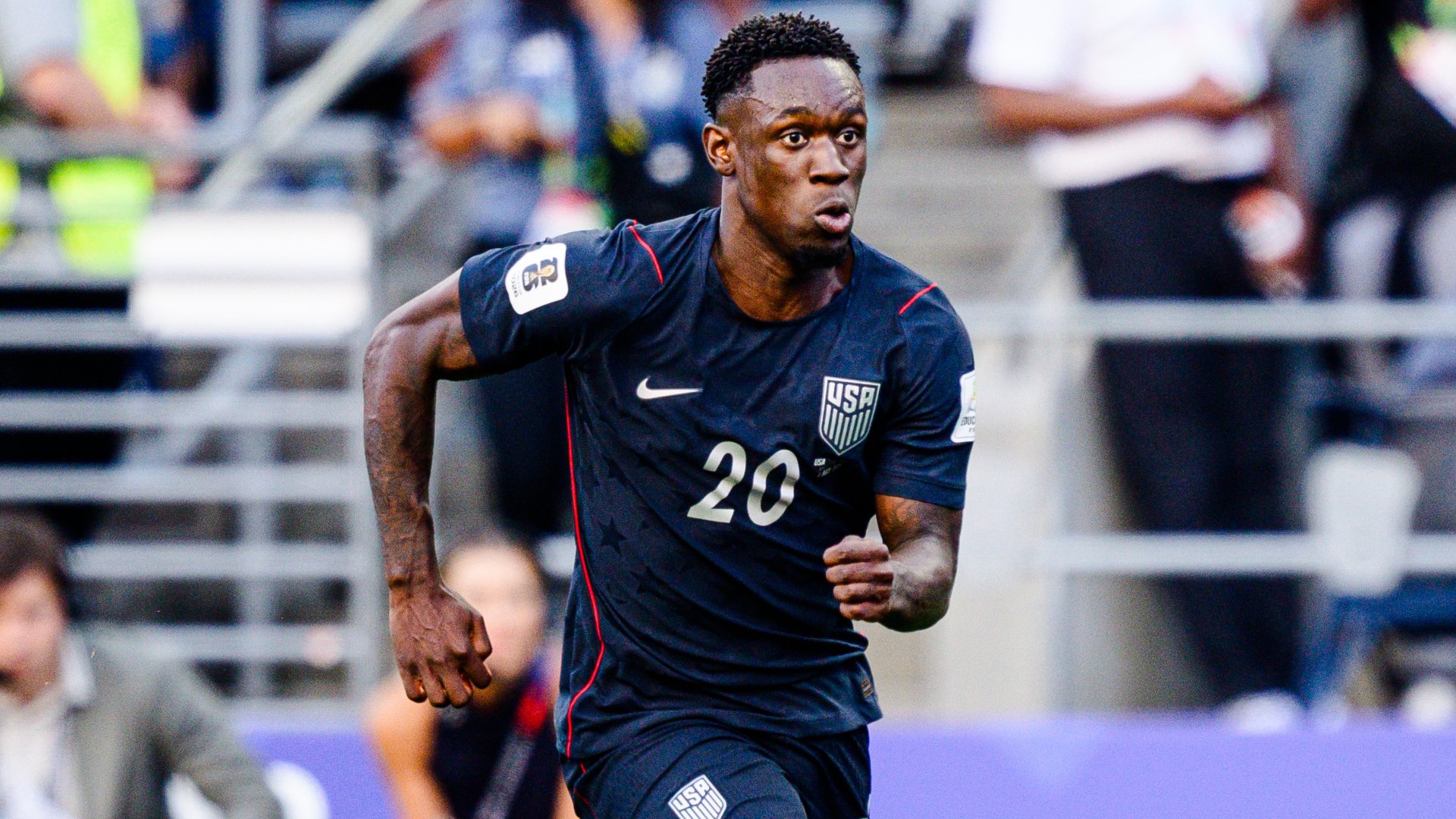
The United States men's national team departed the 2026 World Cup the way it has departed every World Cup since 2014: with a round-of-16 loss, a fresh set of explanations, and the same unresolved question about what the program is actually building. Belgium beat the U.S. 4-1 on Monday in Seattle, a margin that flattered no one on the American side and that left the host nation with more to reckon with than to celebrate.
Four tournaments, four round-of-16 exits. The through-line is no longer a coincidence. It is the metric by which this federation is going to be judged for the next cycle, no matter how often officials insist the underlying project is on track.
A host nation given everything except a result
The structural setup for this tournament was, on paper, as favourable as any U.S. Soccer has enjoyed in modern memory. The World Cup was played on home soil, the draw broke cleanly for the Americans, and a succession of group-stage results confirmed that the path through the bracket was navigable. The round of 16 arrived in Seattle, in front of a partisan crowd, against a Belgium squad whose own ageing curve has been the subject of European commentary for two years.
Belgium did not need a perfect night. It needed only the kind of composed, vertical performance that punishes a back line caught between possession and transition, and that is what it delivered. The 4-1 scoreline, reported by ESPN and CBS Sports in the early hours of 7 July 2026 UTC, did not flatter the visitors. The U.S. was comprehensively outplayed in the moments that decide matches at this level.
ESPN's match report described the result as a "reality check"; CBS Sports framed it as the U.S. side hitting "the same World Cup stumbling blocks" it has hit repeatedly. Neither outlet reached for the comfort of context. The match was the context.
What the tactical reading misses
The post-game analysis will, in the days ahead, descend into formation arguments. Whether the manager's shape invited pressure, whether the midfield combination matched Belgium's physical profile, whether the wide players tracked their runners — all of it is fair, and all of it is secondary.
The recurring pattern across four consecutive round-of-16 exits is not a tactical pattern. It is a developmental one. The U.S. produces athletes, increasingly produces technical players, and still struggles to produce a senior national team capable of controlling a knockout match against a top-tier European opponent for ninety minutes. That is a problem of accumulated minutes against elite competition, of domestic league depth, and of how the player-development pathway is wired between MLS, the European clubs that take the program's best prospects, and the senior team itself.
ESPN's longer piece made the point cleanly: "It all broke right for the U.S. this tournament — the draw, the injuries, the decisions." When the structural variables align and the result still disappoints, the variable that remains is the squad.
The manager question, deferred
Mauricio Pochettino's appointment was framed, at the time, as the federation's signal that it intended to compete now rather than continue treating every World Cup as a learning experience. The Argentine's résumé — Champions League final, Premier League title race, World Cup winner as a player — was meant to compress the gap between American potential and European execution.
One tournament is too small a sample to render judgment on a manager of his calibre. It is, however, large enough to expose the structural ceiling. A coach can organise, motivate, and select. He cannot, in a year, manufacture the kind of late-tournament poise that comes from players who have spent a decade in the highest-pressure environments the sport offers. Belgium's decisive goals came from players who have been doing exactly that, week in and week out, for the better part of a decade. The U.S. starting eleven contained several players who could say the same, and several more who could not.
The federation will be tempted to treat the result as a manager problem because that is the cheapest variable to change. It is also the least likely to be the right one.
What changes, and what doesn't
The cycle after this one will be defined by the 2030 World Cup, co-hosted across Spain, Portugal, and Morocco, with opening matches in Argentina, Paraguay, and Uruguay. The competitive bar is going to rise, not flatten. The expanded 48-team format will not, in any meaningful sense, make the round of 16 easier to clear.
Three things are likely to happen in the U.S. program regardless of who is in charge. The federation will commission another review. The review will recommend greater investment in youth development and more pathways for young Americans into top European academies. The senior team's tournament results will, in the short term, remain a function of how many of those pathways actually deliver starting-quality internationals. That last step is the one the federation has, by its own metrics, repeatedly failed to accelerate.
There is a counter-narrative worth taking seriously: that hosting the tournament itself — the stadium atmosphere, the broadcast exposure, the cultural normalisation of the sport in a market that has historically underinvested in it — is a strategic win that will pay out over decades rather than weeks. ESPN's framing leaned into that view. It is plausible. It is also the argument that has been made after every prior exit, and the results have not compounded.
The honest version is that the U.S. program is no longer failing in the way it was failing in 2014. It is failing in a newer, more expensive way — with better players, in better stadiums, in front of better infrastructure, on its own continent. That is progress. It is not the destination.
Desk note: Monexus treated this as a structural story about player development and federation decision-making rather than a tactical autopsy. Wire outlets leaned into the emotional register; the more durable question is the one the program has now failed to answer four times in a row.