Syria's al-Sharaa lands in Ankara as Trump uses NATO summit to torch Iran diplomacy
The Syrian president is in Turkey for his first NATO summit. The US president is using the platform to declare the diplomatic channel with Tehran dead.
Syrian President Ahmad al-Sharaa touched down in Ankara on 8 July 2026 to attend the NATO summit hosted by Turkey, and is set to hold a bilateral meeting with US President Donald Trump on the margins of the gathering, according to the Telegram channel Open Source Intel. The Syrian leader's presence at a NATO heads-of-state meeting is itself the headline: Damascus has spent the better part of a decade outside the Western security architecture, and the Ankara invitation puts the post-Assad transition inside the room where it has historically been excluded.
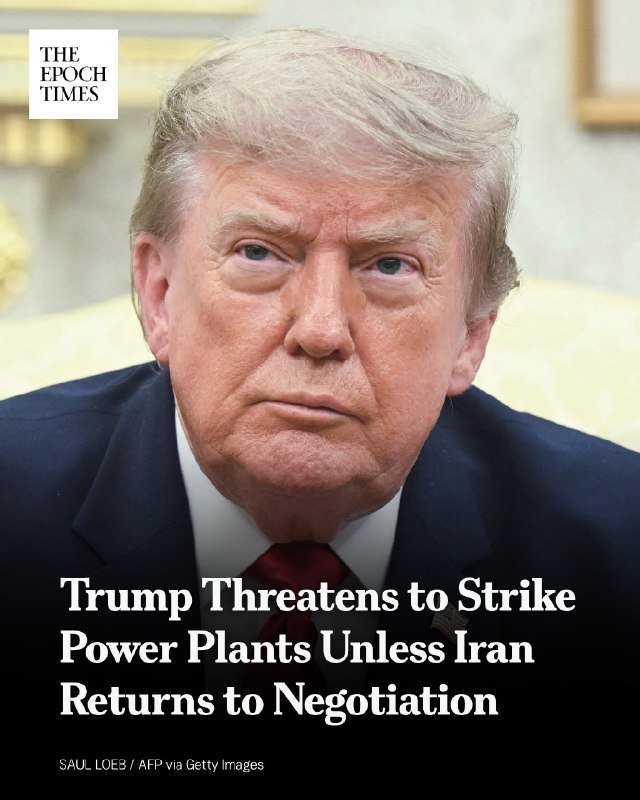
The summit's other gravitational centre is Iran — and the US president is using the platform to publicly close the door on the diplomatic track. Speaking to NATO Secretary General Mark Rutte on the margins of the Ankara meeting, Trump delivered a series of characterisations of Iran's negotiating posture: "The Iranians are liars. We make a deal with them, everyone agrees, no nuclear weapons. They then go outside and talk to the press and say they've never talked about anything," per reporting carried by the Telegram channel RN Intel. He went further in adjacent remarks, calling Iran's leadership "sick people" and saying "there's something wrong with the Iranians. They're cuckoo," according to the same channel's transcripts of the exchange.
A Syrian seat at the table
Al-Sharaa's attendance is the diplomatic dividend of a year that has seen Syria's new authorities reposition themselves toward the West. The Telegram channel Clash Report confirmed on 8 July that the Syrian president had arrived in the Turkish capital and would meet Trump, a step that anchors a working relationship still in its infancy. The Ankara setting is deliberate: Turkey under President Recep Tayyip Erdoğan is now both the host of a NATO summit and the most active external power in Syrian politics, with the deepest ties to the transitional administration in Damascus.
The bilateral carries operational weight. Syria is rebuilding an economy hollowed out by sanctions and war; the United States retains a Caesar Act-style sanctions architecture and a military footprint in the country's east and north-east. A presidential meeting at NATO headquarters signals that the US is willing to keep engaging the new authorities in public, even as it continues to calibrate the lifting of financial restrictions and the status of foreign fighters inside Syrian territory. Turkish mediation has, in effect, provided the political cover for both sides to sit down.
The diplomatic record Trump is walking away from
The president's remarks in Ankara arrive at the end of a multi-month effort to reach a successor arrangement to the Joint Comprehensive Plan of Action. His characterisation — that Iran agrees privately and disavows publicly — is not a fresh complaint. It is a verbatim restatement of a critique American negotiators have carried through two administrations: that Tehran's English-language and Farsi-language statements diverge, and that any agreement has to be robust against the kind of selective denial that followed earlier rounds. What is new is the venue and the audience. By delivering it in front of NATO's Secretary General, on Turkish soil, with Syrian and Israeli interests adjacent, the president is signalling that the United States intends to coordinate any future posture toward Iran through its allies rather than through a bilateral channel.
That has practical consequences. A unified allied position is harder for Iran to outlast than a presidential preference; it also raises the political cost, for European and Gulf partners, of pursuing a separate track. Israeli officials, who have argued for years that the diplomatic path lengthens the runway to an Iranian weapon, will read the remarks as licence. Turkish and Gulf interlocutors, who have backed continued negotiation, are now on notice that the US side regards the public framing as a binding test.
The structural frame: summit theatre, sanctions reality
What the Ankara day amounts to is a procedural inflection. The summit produces communiqués and bilaterals; the actual pressure on Iran will continue to travel through sanctions enforcement, export controls, and the financial messaging system that the US Treasury uses to keep third-country banks out of Iranian commerce. The president's language is calibrated for that audience as much as for Tehran. By pre-emptively framing any future Iranian statement as non-credible, the US side reduces the diplomatic space in which a deal could be sold to Congress or to regional partners.
For Syria, the same logic runs in the opposite direction. The US is willing to make the optics of engagement visible in Ankara because the underlying file — sanctions relief, the integration of Syrian territory into regional trade routes, the question of Iranian and Hezbollah residual presence — is being negotiated bilaterally with Turkey, with Israel, and with the Syrian transitional government itself. The summit photograph is the product, not the process.
Stakes and what remains unresolved
The immediate winners are the Syrian transitional authorities, who collect a credentialing event of the highest order, and the Turkish government, which demonstrates its capacity to convene both the Syrian and American presidents on its own territory. Israel secures an alignment with the US administration on the Iran file without having to argue for it in public. The loser, on the evidence of the day's reporting, is the negotiating track itself: a US president publicly calling a counterpart government a collection of liars is not a posture from which a compromise text is easy to deliver.
What remains genuinely open is whether the Ankara comments harden into a policy decision or soften into a familiar cycle of threats and resumed talks. The Telegram transcripts document what was said; they do not document what was said off-camera in the bilateral meetings that follow. The Syrian file is more straightforward. A first presidential meeting inside the NATO framework gives both governments a piece of shared institutional history to build on, and gives Turkey the visible return it wants on its Syria investment. The harder conversations — on sanctions timing, on the Kurdish-administered north-east, on the return of Syrian refugees from Turkey — were not on the Ankara agenda and remain where they have been for months: in technical channels, out of the camera frame.
This article was written using Telegram-channel reporting from the 8 July 2026 NATO summit window. The direct quotations attributed to President Trump are drawn from the transcripts carried by RN Intel; the al-Sharaa travel and bilateral were confirmed by Open Source Intel and Clash Report. Where the wire service of record has not yet been matched to these claims, that gap is noted above rather than papered over.
Wire provenance
This editorial synthesis draws on the following public wire/social posts:
- https://t.me/osintlive
- https://t.me/rnintel
- https://t.me/rnintel
- https://t.me/rnintel
- https://t.me/ClashReport