A 4-1 exit in Seattle and the question the USMNT cannot keep postponing
A lifeless 4-1 round-of-16 loss to Belgium in Seattle has ended the United States' home World Cup and reopened a structural debate about who the program is actually for.
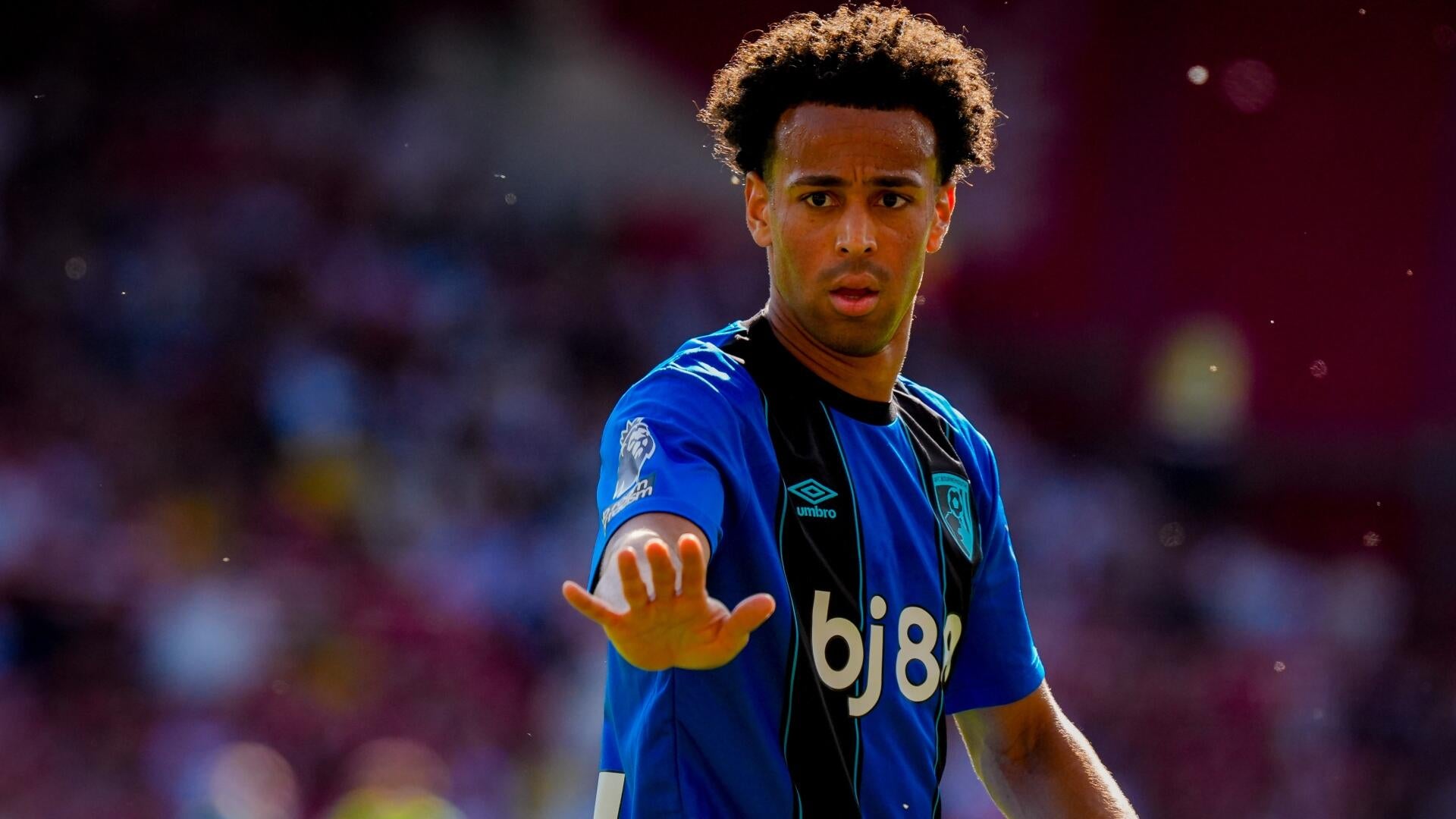
A tournament the United States spent more than a decade preparing to host ended in Seattle on 7 July 2026 with the kind of scoreline that resists the usual diplomatic framing: Belgium 4, United States 1, at Lumen Field, in a round-of-16 tie that was functionally over before halftime. By the time the final whistle sounded, the question hovering over the United States Men's National Team had hardened from a complaint into a structural one. The federation's flagship program, fronted by the most recognisable manager of his generation and stocked with players earning a wage base in Europe's top five leagues, had been eliminated by a Belgian generation that, on paper, was supposed to be passing the torch to a younger crop. According to CBS Sports' round-of-16 report, the performance was "lifeless," and the framing of a 4-1 loss "raises major questions about the team's growth and mentality on the world stage."
The deeper problem, which the next-day postmortems are only beginning to articulate, is not tactical. It is institutional. The USMNT is now the only major federation in the Western hemisphere that treats its senior men's program as a permanent question mark rather than a settled institution. Brazil qualifies for World Cups as a matter of gravity. Argentina has won three of the last five. Mexico, even in down cycles, advances from the group. The United States, hosting the tournament, with Mauricio Pochettino on the touchline and Christian Pulisic, Folarin Balogun and Tyler Adams in the squad, could not get out of the second round.
What the loss actually said
Belgium's goals, on the available reporting, were not the product of freakish finishing or refereeing misfortune. They were the product of a USMNT side that conceded the midfield and played the first hour as if the tournament owed it something. The ESPN analysis filed on 8 July made the argument bluntly: "the USMNT's coach doesn't matter." The piece's framing — that the American public was sold on a celebrity manager, and the problem was the players' ceiling rather than the man picking them — lands harder after a 4-1 scoreline than it would have after a narrow defeat. Pochettino is the second high-profile foreign appointment in a row. The first, Gregg Berhalter, was retained after Qatar 2022 and then dismissed. Pochettino was hired on a record compensation package, per multiple wire reports, to deliver precisely the kind of result the federation did not get on Tuesday night.
The 2030 question, which CBS Sports has already begun to map, is not whether the U.S. can rebuild the squad. By 2030 Pulisic will be 32, Adams will be 31 and Balogun will be 30. The 26-player projection the outlet published on 8 July leans heavily on a 2023-and-younger cohort: a midfield built around Giovanni Reyna, Yunus Musah and a new generation of dual-nationals the federation intends to recruit over the next cycle. The roster math is plausible. The federation's track record of converting plausible roster math into knockout-stage football is the part that does not hold.
The Pochettino paradox
There is a counter-narrative worth taking seriously. Pochettino inherited a federation in which the senior men's team has a thin competitive base, a pay-to-play youth system that filters out working-class talent, and a federation president, in this case the U.S. Soccer Federation's board, that has cycled through three sporting directors in five years. Hiring a marquee manager, on this reading, was a marketing decision dressed as a sporting one: it bought the federation four years of plausible deniability if the tournament went wrong, because the failure could be attributed to the Argentine rather than to the system underneath him. The ESPN column is essentially that argument, stripped of euphemism.
The counterpoint is also real. Pochettino is a two-time Champions League finalist and the manager who, at Tottenham Hotspur and Paris Saint-Germain, consistently over-performed squads that had no business over-performing. If he could not move this group past Belgium, the inference is that the squad itself is the binding constraint. Both reads are defensible on the evidence. The honest position is that neither exonerates the federation. Hiring an elite manager and then handing him a roster assembled by committee, with no coherent playing identity and a midfield that does not control a knockout tie, is a choice, not an inevitability.
The structural problem money has not solved
American men's soccer has, for thirty years, organised itself around a bet: that professionalisation, MLS expansion, and the steady export of teenagers to Bundesliga and Premier League academies would eventually produce a senior team capable of competing with the European game's mid-tier. The bet has partially paid. The USMNT's wage base is, by some distance, the highest in CONCACAF. Its players are, in aggregate, better paid than the Belgium starting XI that beat it. The expected-goals models, to the extent they are available, treat the U.S. as a top-twenty side. None of that translated on Tuesday night. According to CBS Sports' framing, the loss leaves the program "with more questions than answers after failing to make a statement on the world stage."
What the data does not capture is the off-pitch architecture. The U.S. pay-to-play youth model remains the most expensive in the world, and the federation has, in cycles, talked about dismantling it without doing so. The federation's player-development pathway, by its own admission in pre-tournament briefings, runs through fewer than a dozen elite academies, several of them European. Dual-national recruitment — the lever that brought Musah, Balogun and others into the program — is a one-way valve: it works when the federation identifies targets early and closes on them, and it stalls when those same players' federations of origin mount late campaigns. The structural frame, in plain language, is a federation that has invested heavily in the visible parts of a national program (stadiums, a marquee manager, broadcast rights, a World Cup on home soil) and under-invested in the invisible parts (a national coaching license pipeline, a domestic second division, a youth system that does not require a five-figure annual cheque from a player's parents). The 4-1 scoreline is the receipt.
Stakes for 2027, 2030 and beyond
The 2026 cycle ends not with a quarter-final — that round begins on 9 July, per BBC Sport's preview — but with a strategic choice. The federation can extend Pochettino, double down on the marquee-manager model, and bet that the 2030 cohort, playing in a tournament hosted across three continents, will close the gap by talent alone. It can dismiss Pochettino and begin another cycle of federation-level churn. Or, less likely on the available evidence, it can use the next four years to address the structural problems the 2026 tournament has, again, exposed. The 2030 World Cup — held in Morocco, Portugal and Spain, with opening matches in Argentina, Paraguay and Uruguay, per the format announced by FIFA — will not be a home tournament. The U.S. will go as a guest. The federation's leverage in 2030 is therefore lower than it was in 2026, and the case for a serious rebuild is correspondingly stronger.
What remains genuinely uncertain is the read on the player pool. CBS Sports' 2030 projection is plausible, not predictive. Pochettino's relationship with the federation, his appetite for a second cycle, and the next sporting director's appetite for a third reset are all variables the source material does not resolve. The cleanest honest summary is the one the postmortems keep circling: the United States hosted a World Cup, spent the largest budget in its federation's history preparing for it, and exited in the round of 16. The next cycle begins now. Whether it produces a different answer depends on choices that have, so far, been easier to defer than to make.
This publication's framing: where the U.S. wire has tended to soften the 4-1 loss with a forward-looking 2030 roster projection, Monexus reads the Seattle defeat as a structural verdict on a federation model that has under-delivered against three straight cycles of rising investment. The next coaching hire is downstream of that verdict, not the other way round.