Wavves and Say Anything Find a Second Wind in a Claymation Crossover
Two veterans of late-2000s emo-adjacent indie reunite on a split LP, with a stop-motion video that treats the partnership as costume-drama rather than nostalgia bait.
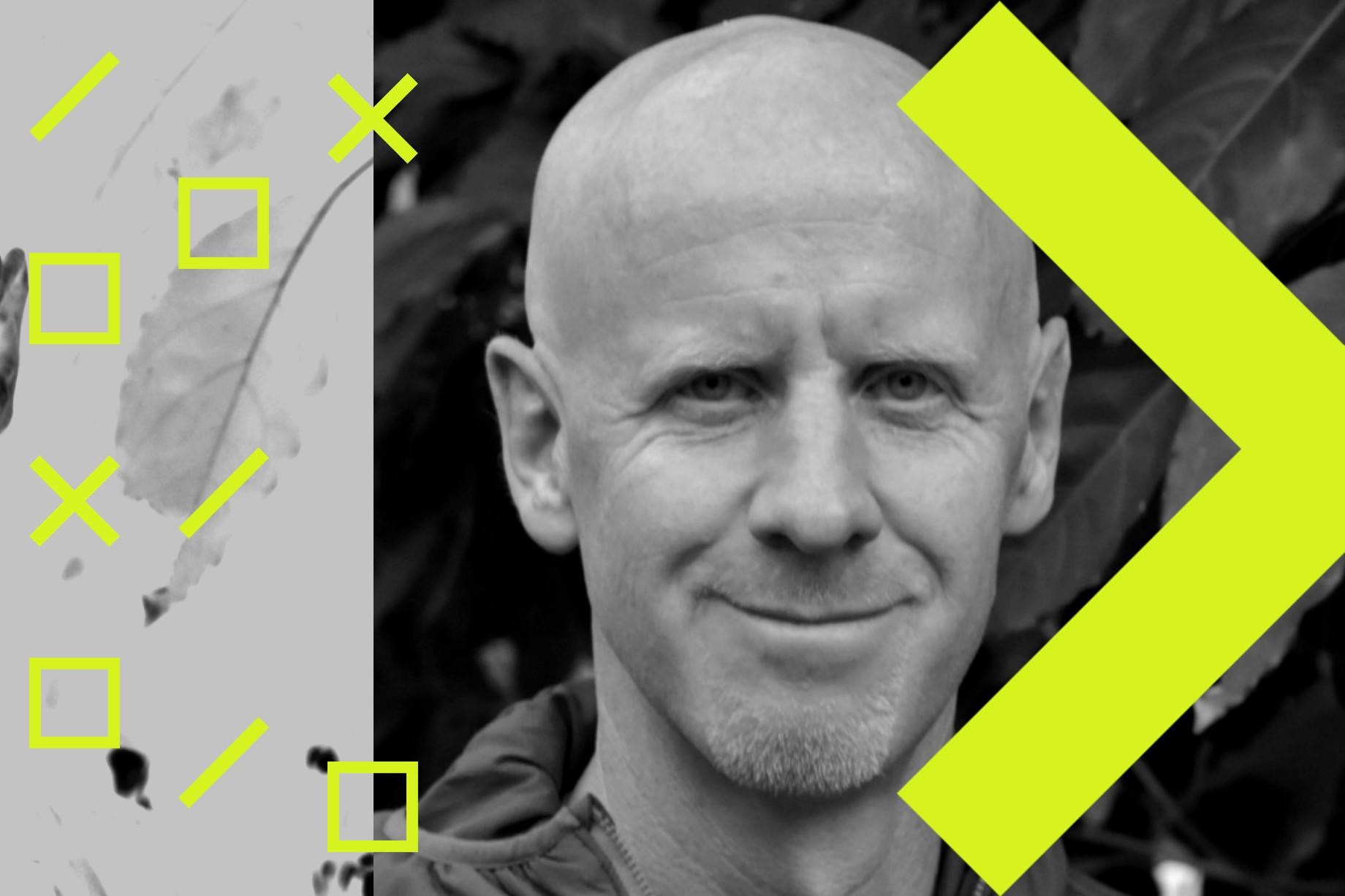
On 8 July 2026, the indie-rock veterans known as Wavves and Say Anything announced a collaborative album called Cherry Soda, paired with a stop-motion video for the single "Deathx1k" that treats the partnership as costume drama rather than nostalgia. The Pitchfork write-up, published the same day, frames the release as a working reunion between two frontmen whose solo and band projects have, for nearly two decades, defined adjacent lanes of late-2000s American guitar music.
The interesting story is not that two old collaborators found each other again. It is that they have chosen to launch the project with a piece of cinema that pretends to be older than either of them. Claymation, here, is doing real work: it lets both acts step out of their own faces and into something more parable-like.
The split LP as a form
Cherry Soda is presented as a joint record rather than a featured-guests EP. According to Pitchfork's 8 July 2026 coverage, the album pairs Nathan Williams of Wavves with Max Bemis of Say Anything across a shared tracklist, with the lead visual "Deathx1k" rolling out as the campaign's centrepiece. The Pitchfork framing emphasises the song-for-song parity: each side has its own voice, the clay figures wear the songs' faces, and the project does not collapse into one act's aesthetic wearing the other's clothing.
That matters because collaborative albums in this corner of indie rock have historically broken badly. Guest-spot heavyweights tend to flatten the smaller act; legacy reunions tend to coast on chord progressions the principals wrote when they were twenty-three. The structural choice here — a true split, not a feature — at least promises that both parties are bringing material to the table rather than lending a chorus.
The claymation gambit
The "Deathx1k" video, per the same Pitchfork item, is rendered in claymation with Williams and Bemis as the stop-motion protagonists. The choice is unfashionable on purpose. Most contemporary rock videos for acts in this demographic reach for either handheld performance footage, lyric-video minimalism, or the kind of high-concept narrative short that costs more than the song earned. Claymation instead signals that the project is happy to look a little shaggy and a little hand-made — closer to a 1990s MTV indie rotation than to a 2026 algorithmic pipeline.
There is also a tonal argument. Stop motion has a long lineage as the visual register of choice for songs about mortality, decay, and small-horrors; think of the work that has crossed into adult-animation territory over the past two decades. "Deathx1k" — the title itself is a piece of stage-direction-as-lyric — sits comfortably in that lineage. The claymation treatment reads less as retro affectation than as a genre-correct container for whatever the song is about.
What the partnership is actually selling
Both acts come to Cherry Soda with established solo and band catalogues that the Pitchfork announcement assumes the reader already recognises. Wavves, Williams's project since the mid-2000s, is associated with a scrappy, surf-tinged take on noise-pop that has outlived the blog-rock cycle that originally hosted it. Say Anything, Bemis's vehicle of similar vintage, occupies a more theatrical corner of the emo continuum, with the frontman's songwriting reputation resting on verbose, self-lacerating lyricism. Their respective fanbases overlap less than one might assume, which is part of why a joint record rather than a one-off single is the chosen format.
A plausible counter-read is that the pairing is essentially a marketing play — two mid-tier indie acts with complementary but non-competing audiences, packaging the overlap as event television for a cohort that grew up on both. The Pitchfork coverage does not make that case explicitly, and the claymation treatment does not really support it: the visual register is too specific, too weird, and too low-budget-looking to be a cynical awareness campaign. The more charitable read, which the song-and-video evidence supports, is that Williams and Bemis have a real working chemistry that the form is finally giving them room to use.
Stakes for a corner of indie rock
The downstream question is whether Cherry Soda functions as a one-off curiosity or as a working template. Collaborative albums in the indie rock mid-tier have been treated, in recent years, as either vanity projects or label-engineered events. A genuinely co-written LP with a deliberately lo-fi visual campaign is rarer than the headline suggests, and the reception over the next several weeks will tell listeners whether the chemistry holds past the first single.
The unresolved question — and it is one the Pitchfork coverage does not settle — is whether the audience that streamed these acts in 2009 still recognises itself as the audience for a 2026 stop-motion rollout. The video's aesthetic assumes a viewer who treats claymation as texture rather than as ironic distance. Whether that viewer is large enough to make the project land commercially is the bet the album is making.
— Monexus framed this as a working-musician collaboration rather than a nostalgia story; Pitchfork's own coverage lands closer to a press-release read, and the visual register of "Deathx1k" is doing more analytical work than the headline lets on.