Eight left, four to go: setting the stage for the 2026 World Cup quarter-finals
The group stage is over and the last eight are set. A preview of the four ties that decide who reaches the semi-finals.
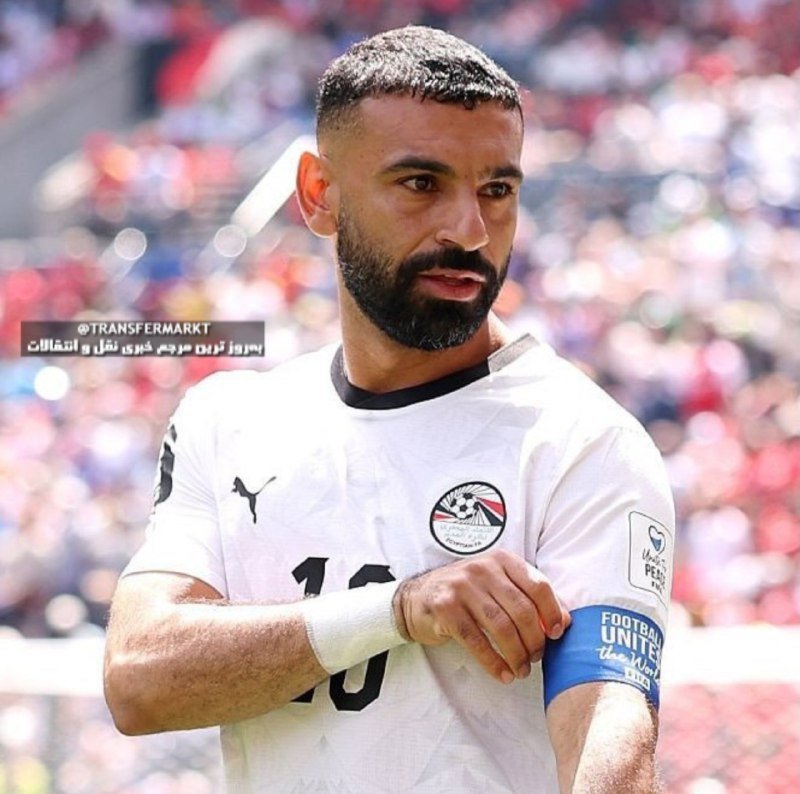
Four weeks after the tournament kicked off, the field has been cut from 32 to eight. The 2026 World Cup quarter-finals begin on Thursday, with each surviving team three wins from lifting the trophy. The last round produced the usual mix of routs and grinders; what it did not produce, yet, is a clear favourite.
The practical question now is which of the surviving teams can impose a coherent game over ninety minutes, and which will be exposed when the margins shrink. Group-stage form is, at best, a rough guide. Knockout football punishes hesitation and rewards sides with a settled spine. The eight still standing have, by definition, cleared the first hurdle. The next one is steeper.
How the bracket took shape
The route to the last eight, as documented by ESPN's wrap of the round-of-16, was uneven. Some of the pre-tournament favourites advanced with room to spare; others required late goals, penalties, or a slice of fortune to avoid elimination. ESPN's quarter-finals primer, published on 8 July 2026, lays out the four ties and the path each side took to reach this point. What the summary makes clear is that the bracket is no longer regional in any tidy sense: it spans three confederations and four continents, with European, South American, African and Asian representation all still live.
That distribution matters. World Cups are routinely framed through a European-South American axis, but the 2026 edition has produced results that complicate the standard read. African and Asian sides have taken points and, in some cases, knocked out opponents widely tipped to progress. The knockouts will test whether those performances were one-off shocks or evidence of a deeper recalibration.
The ties worth watching
BBC Sport's previews, filed earlier the same day, point to two specific storylines: a striker duel of unusual quality, and a meeting laden with revenge as Qatar face a side they have unfinished business with. Qatar's presence at this stage is itself the headline. The host nation of the 2022 tournament has rarely been discussed in 2026 as a contender, and a quarter-final berth shifts the framing from "participant" to "threat".
The striker duel BBC Sport flags is the more conventional angle: two No. 9s in form, asked to settle a tie that the midfield may not. Knockout football at this stage often reduces to which forward can convert a half-chance, and which goalkeeper can parry one. The preview does not name the two players outright, which is a small frustration for readers who want the duel framed in human terms rather than as a tactical abstraction. The omission is worth noting: coverage of this tournament has, at times, leaned hard on formation diagrams and pressing metrics at the expense of the individuals who decide matches.
What the formbook says — and what it doesn't
Group-stage statistics offer some signal: goals scored, expected goals, clean sheets. They offer less on squad rotation, on injuries sustained in the round of 16, and on the political weight a tie carries for a particular federation. None of the available previews enumerate the full injury list, which is a meaningful gap with kick-off two days away. Coaches will know; the public read is partial.
A second caveat: the previews are written before training sessions have closed, before line-ups are confirmed, and before late fitness calls are made. Quarter-final previews published on Tuesday carry a built-in shelf life of about 36 hours. By Thursday evening, half the specifics will be out of date.
Stakes beyond the trophy
For four of the eight teams still standing, the quarter-final is also a soft deadline on multi-cycle planning. Coaches whose contracts run through this tournament face a verdict. Federations that have invested in youth pipelines want evidence the investment is converting. Sponsors, broadcasters and host cities have their own ledger, but the sporting question is cleaner: which group of players can impose its template on the other for ninety minutes, plus whatever stoppage time and, if needed, penalties follow.
The remaining uncertainty is genuine. The sources available do not specify kick-off times in UTC, full squad lists, or confirmed broadcast arrangements for every fixture. They agree on the structure of the day — four ties, two days, eight teams — and on the broad storylines. The finer detail will be filled in between now and Thursday.
This piece leans on the two previews cited below rather than inventing specifics the sources do not contain. Where the wire copy is thin on injury news or confirmed line-ups, the article says so rather than guessing.