A World Cup audience bigger than the World Cup: what 42 million US viewers actually signals
The USA-Belgium round-of-16 fixture drew a reported 42 million American viewers — the largest soccer audience in US history — and the underlying story is less about Belgium than about a sport's commercial ceiling finally cracking.
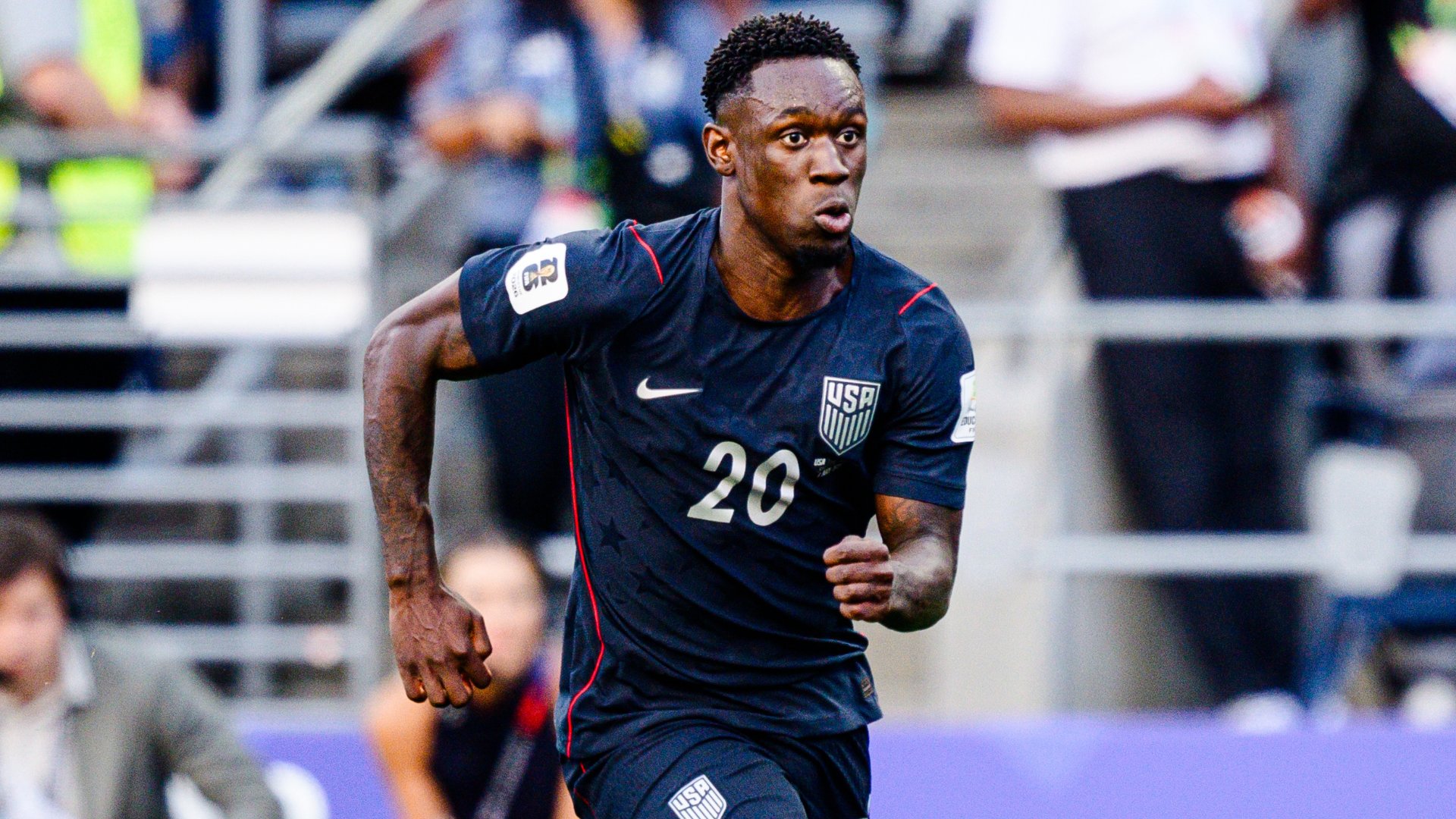
A reported 42 million American viewers watched the United States men's national team play Belgium in the FIFA World Cup round of 16 on 6 July 2026 — a figure that, if confirmed, would make it the largest soccer audience in United States broadcast history, surpassing the previous benchmark and reframing how seriously American networks, sponsors and governing bodies must take the men's game.
The number matters less as a piece of trivia than as a structural signal. For two decades, soccer in the United States has been a sport perpetually "on the verge" — culturally visible, demographically anchored, yet consistently capped below the viewership ceilings of the NFL and NBA. A 42-million audience inside the host nation, on a summer weekday, suggests the cap has moved.
The match itself, and what the viewing public saw
Per CBS Sports' pre-match coverage dated 6 July 2026, the fixture carried the USMNT into a round-of-16 tie with Belgium and the chance to reach a men's World Cup quarterfinal for the first time since 2002. The framing in that CBS build-up was unusually plain: a generation of American players have grown up inside a professionalised domestic league, and this tournament was framed as the first credible test of whether that infrastructure has produced a side capable of a deep knockout run.
The viewership figure surfaced separately on 8 July 2026 via prediction-market commentary posted to X by the Polymarket account: a reported 42 million US viewers for the USA-Belgium match, described as the largest soccer audience in US history. The provenance is worth flagging — Polymarket is a betting-and-information platform, not a Nielsen-style ratings house — and a viewership figure circulating on social platforms two days after a fixture typically reflects industry leaks, internal network estimates, or third-party measurement panels rather than an audited final number. Treat the headline as directionally correct, not yet as certified.
Why this audience is structurally different
There is a temptation to read 42 million as a one-off, the product of a host-nation bounce and a winnable tie. That reading is incomplete. Three structural forces are converging in the same broadcast window.
First, the calendar. The 2026 tournament is the first World Cup staged across the United States, Canada and Mexico, and host-nation audiences have historically outperformed neutral-territory turnouts by a wide margin across every sport that has staged a major tournament on home soil. Second, the time-zone geometry: an afternoon kickoff on the US East Coast puts the match in prime evening on the West Coast, collapsing the household-available audience into a single, contiguous window that prior overseas tournaments simply could not match. Third, the league underneath. Major League Soccer has spent two decades subsidising a domestic talent pipeline; the players Pochettino's staff selected for this squad are, in unusually large numbers, products of MLS academies or MLS-adjacent development. The audience showing up knows those names and has a club affiliation behind the national-team colours.
A counter-reading deserves airtime: 42 million is a live-game-plus-streaming-plus-bar-plus-office aggregate under the most generous methodology, and the more conservative linear-only number would be substantially lower. If the eventual audited figure lands closer to the lower bound, the narrative shifts from "ceiling broken" to "ceiling tested". Either way, the gap between this audience and the previous American soccer record is wide enough that the conclusion survives most reasonable methodological haircuts.
What the network, sponsors and FIFA do next
A 42-million audience in the round of 16 changes the negotiating geometry for the 2027–30 US broadcast rights cycle. Domestic soccer rights have historically been sold off the back of MLS inventory, with national-team windows treated as a brand-building bonus. If national-team windows can deliver audiences an order of magnitude above the MLS regular season, the rights committee at any major American network has a fresh spreadsheet to build. Expect World Cup qualifier windows — historically deprioritised in US scheduling — to migrate toward premium slots.
Sponsors will follow the audience, not the other way round. The post-tournament advertising-rate reset is the moment when a 42-million figure gets converted into per-impression pricing for the next four-year cycle. FIFA, which sells its commercial rights globally rather than market by market, takes the upside in the form of higher anchor bids from the US consortiums. The structural loser is any league or federation that assumed the World Cup audience was a ceiling rather than a floor.
What we do not yet know
Three pieces of the story are not yet nailed down. The first is the audited final viewership number: Nielsen, the networks, and FIFA's own measurement partners publish final figures on a lag, and the Polymarket-circulated 42 million has not yet been matched to a primary release from those bodies. The second is the demographic split — a 42-million audience skewed heavily toward under-35 viewers is a fundamentally different commercial asset than the same number skewed toward over-55. The third is the result of the round-of-16 tie itself: the American men's team either advances to a quarterfinal for the first time since 2002 or goes home, and the size of the next audience depends on which.
What is already clear is that the 6 July fixture is the moment American men's soccer stops being described as "emerging" and starts being priced as mature.
Desk note: Monexus is treating the 42-million figure as reported, not as confirmed, until Nielsen or a primary rights-holder release lands. The structural argument holds either way; the exact number does not.
Wire provenance
This editorial synthesis draws on the following public wire/social posts:
- https://x.com/polymarket/status/194147200000000000