Same script, fourth act: what Belgium's 4-1 demolition of the USMNT actually tells us
A 4-1 round-of-16 loss in Seattle extended a now-familiar American tournament pattern to a fourth straight cycle. The questions that follow are no longer about effort — they are about pipeline, pay, and who gets to decide.
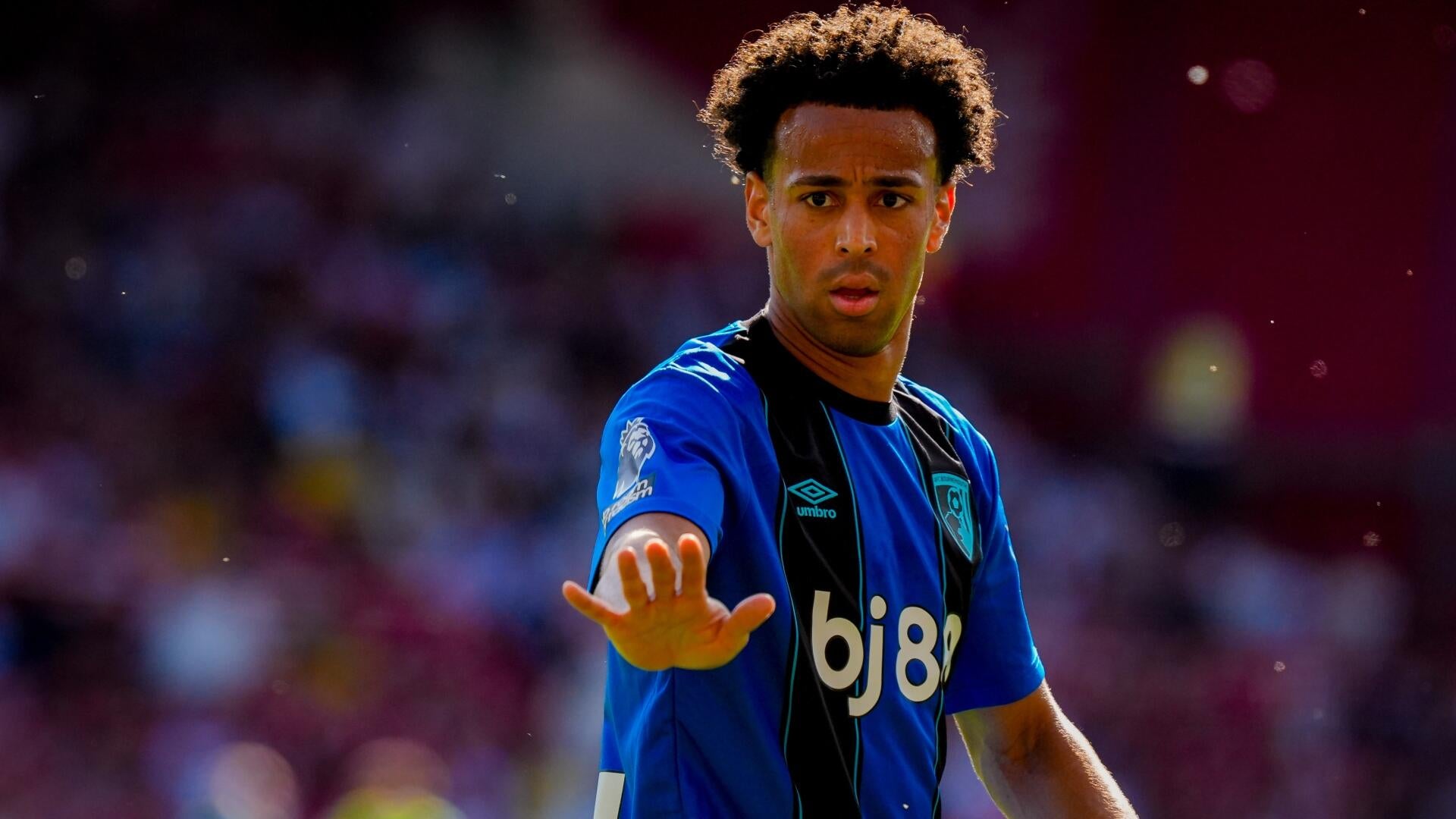
On a Monday night in Seattle, the United States men's national team walked off the pitch at the 2026 World Cup round of 16 having conceded four to Belgium and scored one — a 4-1 loss that was both lopsided and structurally familiar. According to CBS Sports' match report published 7 July 2026, the defeat ended the Americans' tournament at the same stage they have now exited at for a fourth consecutive World Cup cycle, and did so with the kind of late-tournament flatness the program has been unable to shake since returning to the global stage.
The structural story is not that the USMNT lost to Belgium. Belgium is a generationally talented side whose spine was built around a player development pipeline that produced Eden Hazard, Kevin De Bruyne and Romelu Lukaku back-to-back. The structural story is that the United States, hosting a tournament for the first time since 1994 and entering with its deepest-ever talent pool, still hit the same ceiling, in the same round, with the same kind of performance. The question worth asking is no longer whether American players are good enough to compete — they plainly are. The question is what the gap actually is between the federation, the clubs, and the field.
The shape of the collapse
Belgium's winner came early and the rest followed in a pattern the wire copy described as "comprehensively dismantled." According to ESPN's 7 July 2026 write-up of the match, the United States enjoyed the kind of tournament conditions — friendly draw, a depleted Belgium squad missing several first-choice starters, and home support in Seattle — that should have produced a different second half than it did. Instead, the USMNT was outscored across the closing 45 minutes in a manner that left the manager's substitutions and tactical shape open to a second round of second-guessing.
CBS Sports' 7 July 2026 analysis under the headline "It feels exactly the same" made the comparison explicit: the USMNT's last four World Cups have ended in the round of 16, three of them now by a margin of two goals or more. That is no longer a slump. It is a pattern.
Why this read, not the alternative
The optimistic read — the one that dominated pre-tournament coverage and is still circulating in federation messaging — is that the program is on an upward curve. Hosting the tournament, record-breaking TV audiences, a generation of dual-national players choosing the USMNT, a manager in Mauricio Pochettino with a Champions League and a Ligue 1 title on his CV. On that telling, a round-of-16 exit at home is a step along a familiar developmental arc that produced Belgium's golden generation.
The counter-read, which the post-match evidence pulls toward, is more uncomfortable. Belgium built its golden generation on a domestic league with strong ownership and a deep academy network; the United States is still structurally dependent on a pay-to-play youth system that filters out precisely the working-class and immigrant talent that powers South American, West African, and, frankly, Belgian development pipelines. ESPN's 7 July 2026 column framed the question directly: "It all broke right for the U.S. this tournament: the draw, the injuries, the decisions. And yet America is once again coming to terms with a round-of-16 exit." That tension is the real story.
A third possibility — that Pochettino himself was the wrong appointment at the wrong moment — is the one most loudly amplified by European transfer desk types within minutes of the final whistle, and the one that the federation will be most allergic to entertaining. Pochettino arrived mid-cycle from a Premier League sacking and inherited a squad mid-tournament. Whether his system is the right one for the player pool available, or whether the federation needed a long-build architect, is a question the 2030 cycle will test either way.
The structural frame — in plain terms
American men's soccer has spent two decades building infrastructure that produces technically excellent individual players: Christian Pulisic, Weston McKennie, Tyler Adams, Folarin Balogun, and a layer below them a deep bench of dual-nationals who could have played for England, Germany, or the Netherlands. The infrastructure that has lagged is the part between the academy and the senior national team — the consistent, high-stakes competitive environment that turns excellent teenagers into adults who can manage a knockout game against a tier-one European side.
What that gap looks like on the field is the thing Belgium exposed in Seattle. Belgium's average squad age was older and the side was at the end of its competitive runway; the United States had youth, legs, and a crowd of nearly 70,000. The USMNT still could not hold the line, could not press intelligently for a full ninety, and could not convert territorial dominance into chances. That is a coaching, conditioning, and tactical-maturity problem, not a talent problem.
Forward view and stakes
The 2030 World Cup will be co-hosted by Spain, Portugal, and Morocco — a structurally different competitive environment that will not give the USMNT the home advantage that 2026 did, and that will pit the program against European and African opponents on their own turf. CBS Sports' 7 July 2026 forward-looking roster prediction framed the next cycle as a build toward that tournament, with a younger core and a manager question that has to be settled either way within the next twelve months.
The stakes are not symbolic. They are commercial. The federation's broadcast and sponsorship revenue is tied to competitive credibility on the men's side, and a fourth round-of-16 exit in a row will erode the price the next round of commercial partners is willing to pay. More importantly, the federation's stated ambition of winning a World Cup before 2040 — a goal it has formally committed to in its own strategic documents — is not mathematically achievable without a structural change in either the player-development pipeline or the senior-team coaching setup. Picking the same model and hoping for a different result is, at this point, a deliberate choice.
What remains uncertain
The sources do not yet disclose whether Pochettino will remain in post for the 2030 cycle or whether the federation intends to undertake the kind of structural review of youth development that several former national-team players publicly called for during the in-match broadcast. Belgium's post-match social-media trolling — including a public message urging the U.S. to "overturn this," reported by ESPN on 7 July 2026 — adds a public-relations dimension the federation will have to manage but is unlikely to be the deciding factor. What the loss does is reset a clock that was already running. The next twelve months will tell the rest.
Desk note: Where wire coverage framed the Belgium loss as a one-off disappointment, this publication treats it as a fourth data point in a recurring cycle — the same round, the same margin, the same questions. The interesting journalism here is less about Monday night and more about the structural choices the federation makes between now and 2030.