The U.S. men’s soccer team keeps leaving tournaments the same way
A 4-1 loss to Belgium in the round of 16 produced the same exit line that has followed the USMNT for two decades — and laid bare how pay-to-play youth structures shape who ever reaches this stage.
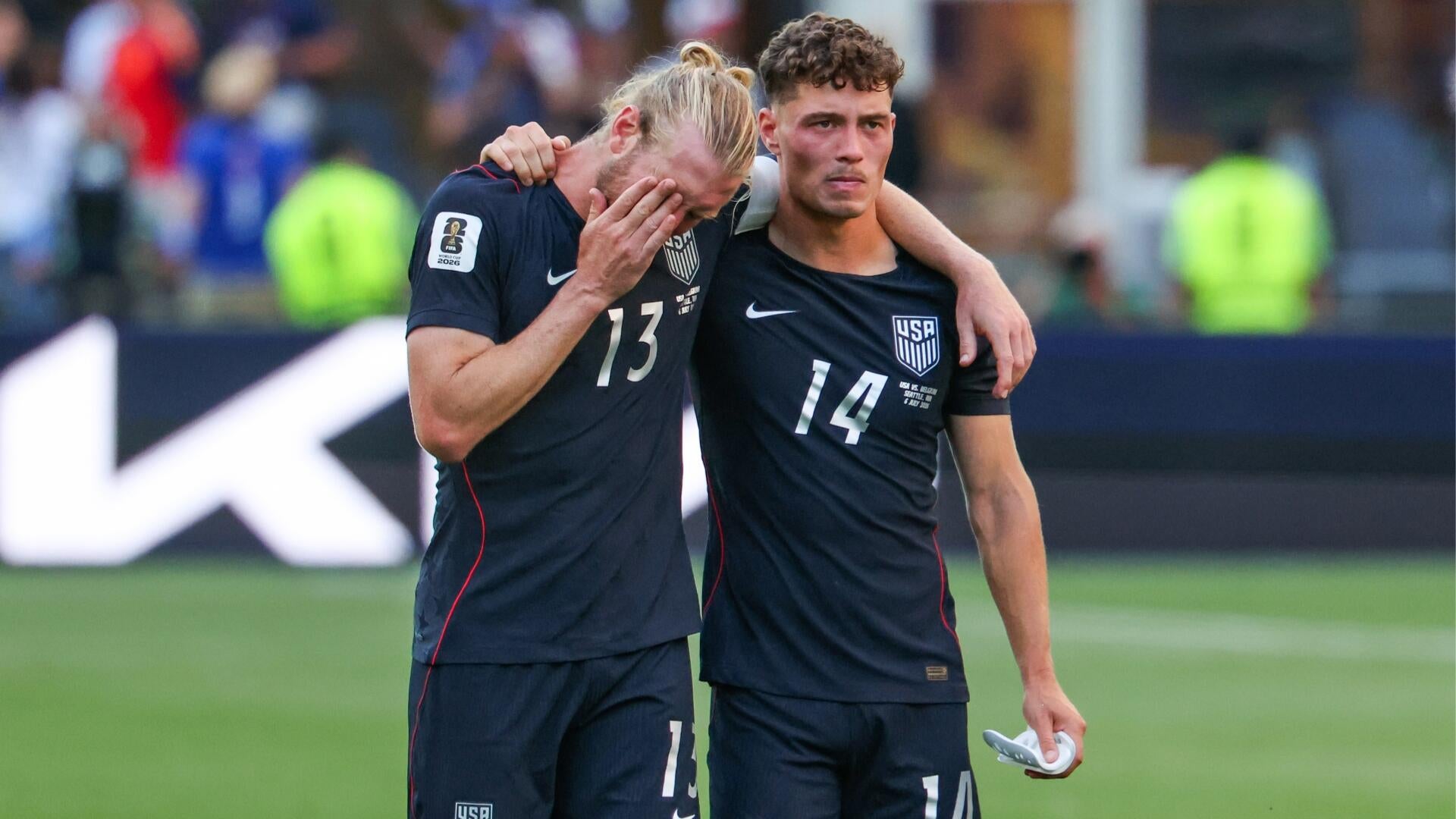
By the time Fikayo Balogun and the Belgian front line finished running off the scoreboard at the round-of-16 stage in the 2026 FIFA World Cup on 7 July 2026, the storyline around the United States men’s national team had already typed itself out: a familiar shape, a familiar verdict, and a familiar shrug. Belgium won 4-1. The Americans, the host nation, exited at the last-16 stage for the fourth straight tournament — a run that now stretches back to South Korea and Japan in 2002 as the last time the programme reached a quarter-final.
The 4-1 scoreline flattered Belgium as much as it flattened the United States. According to CBS Sports reporting from Philadelphia on 7 July, the USMNT produced the same patterns on the ball that have followed the side through group-stage qualification and into the knockout rounds: pockets of possession, individual quality in wide areas, and a defensive structure that folded once the opposition moved through the middle third. “It feels exactly the same,” the team’s post-match summary read, in a phrasing that doubled as a diagnosis.
What the scoreline actually showed
Belgium’s first two goals arrived inside the half-hour. From there, the United States chased the game against a side whose centre-backs — the older, settled spine that European tournament football still produces in volume — were content to absorb pressure and break through the middle. ESPN’s match report from Philadelphia characterised the contest as a “reality check,” a phrase that recurs whenever a generation of American players, raised on highlight reels and transfer rumours, runs into opponents who have logged ten thousand professional hours in domestic leagues that do not subsidise their development.
The match also clarified what was working. The United States created enough field position in the second half to keep the scoreline from drifting further; the substitutes who entered pushed Belgium back across their own defensive line in stretches. None of that changes the bracket position. In a knockout round, the structural question is whether a team can dictate the tempo for ninety minutes, and the United States, for the fourth consecutive tournament, could not.
Pay-to-play and the talent pipeline
This is the part of the cycle the post-mortems rarely finish. The day before the Belgium match, ESPN published a long feature on how the United States’ youth system is effectively gated by parental wealth: club fees, travel costs, showcase tournaments, and the unpaid labour of families who can afford to relocate a teenager for a year in exchange for a shot at an academy. The reporting’s centre of gravity was not, as is usually the case, on individual development at the elite level. It was on who can survive the system long enough to be developed at all.
That distinction matters in a country where soccer is privately funded from the age of eight or nine. In Belgium, France, Germany, Argentina, and Brazil, the federation and the professional clubs subsidise that period. The United States federation runs MLS academies and the Development Academy system, but the feeder layer — the clubs that produce the players who eventually enter those academies — operates on a subscription model. The result is a talent pool that is shallower than the country’s demographic size and its sporting ambition would suggest.
If the United States had a domestic league capable of integrating teenagers at the rate of the Belgian Pro League or the Eredivisie, the gap would still be visible but not decisive. It does not. The professional pathway for an American eighteen-year-old is narrow, and the financial cost of reaching it is borne by families rather than institutions. Belgium did not invent this asymmetry. Belgium simply exposed it again.
The Maurico Pochettino question
The other thread running through the post-match coverage is the head coach. ESPN and CBS reporting from the run-up to the game both noted that the United States, hosting the tournament, drew a favourable bracket and saw injuries break its way — the kind of structural tailwinds that coaches of smaller federations spend careers waiting for. By the end of the evening, those same breaks had been cashed in for one tournament round. The question of whether Pochettino remains in charge after the exit is now live, and the federation will have to weigh the cost of replacing a high-profile Argentine-credentialed manager against the diminishing returns of continuity if the structural problems in the player pool are not addressed in parallel.
What is clearer is that no coaching appointment will close the gap on its own. The Belgian spine — older, more experienced, more time on the ball in a professional league environment — beat the American youth system at its own game, which is the irony the United States keeps tripping over. It outspends the world on development at the bottom, then meets the world at the top and discovers that spending does not scale into tactical maturity.
What the next cycle actually requires
A serious reckoning would start with the feeder layer, not the senior team. The federation’s argument that the Development Academy system has professionalised youth pathways holds up against the early generations; it does not hold up against a Belgian team whose best players were identified by scouts at twelve and integrated into first-team football at seventeen. The structural fix is the unglamorous one: public investment in club-level coaching, free-to-play models in major metropolitan areas, and integration between MLS academies and the broader youth ecosystem so that the family bank balance stops being a draft metric.
None of that happens in the four-year window between World Cups, which is the time horizon that matters. The 2030 tournament will be played across three continents, and the United States will be expected to qualify on merit rather than as host. If the pay-to-play feeder system is unchanged by then, the bracket will not save the federation. The cycle has run long enough that the result in Philadelphia was a confirmation, not a surprise.
What the sources do not settle
The available reporting does not specify the federation’s internal timeline for any structural reform, nor does it confirm whether the coaching staff will be retained beyond the immediate post-tournament window. The longer ESPN feature on pay-to-play youth soccer draws on parent interviews and club-fee data but does not quantify the share of elite-track players who exit the system for financial reasons — a number that would settle the argument in one direction or the other. What remains clear is the pattern: a fourth consecutive last-16 exit, a host-nation bracket, and the same structural limits, repeated on cue.
This publication framed the Belgium match against the institutional backdrop that produced the squad — youth pathways first, coaching second — rather than treating the 4-1 loss as a one-off result.