USMNT exits World Cup in round of 16, undone by Belgium and by its own week of distraction
A 4-1 defeat in the round of 16 ended the United States' World Cup run and reopened a familiar debate about whether the program is built for moments like these.
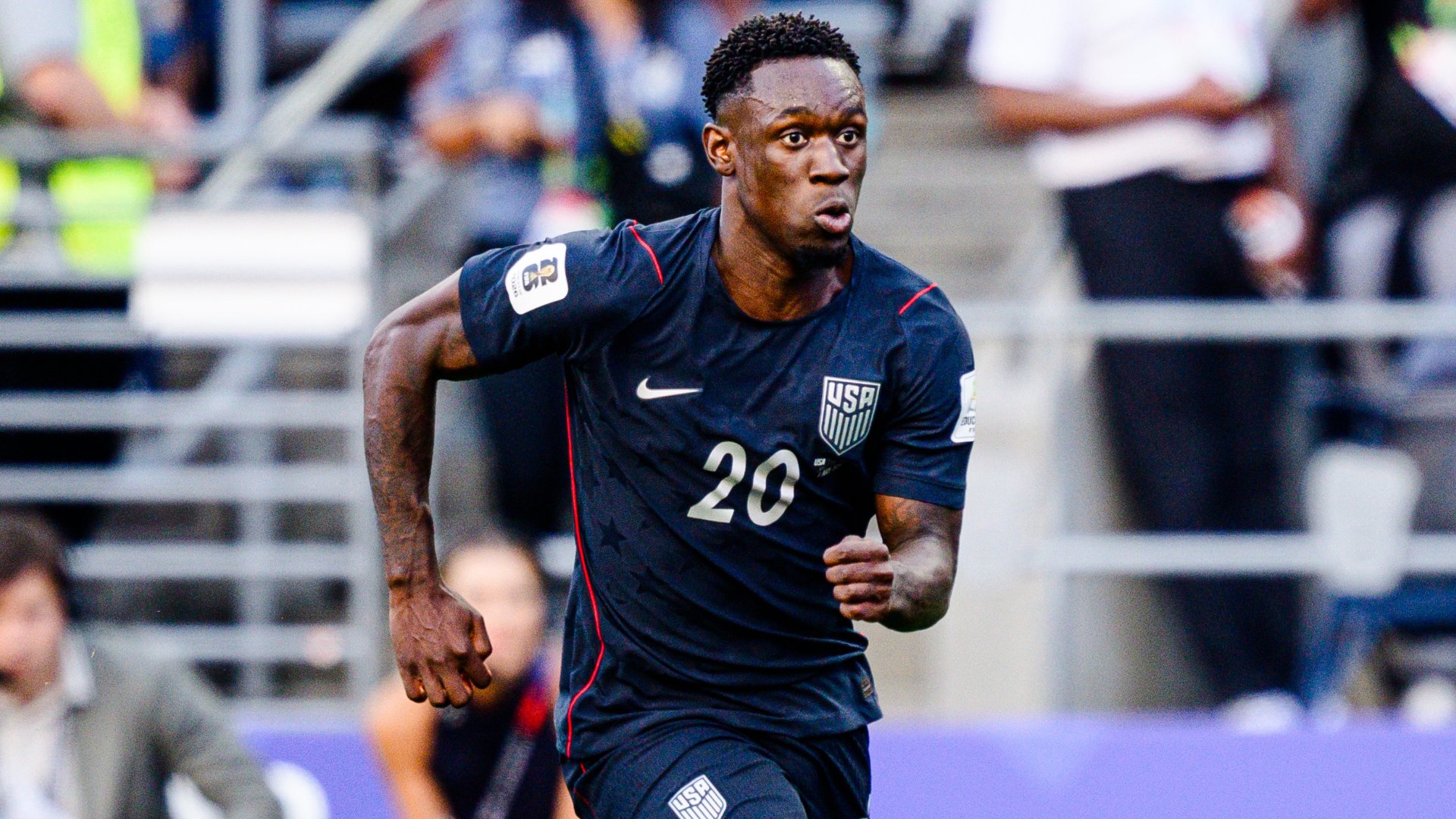
The United States men's national team flew home on Wednesday without a tournament to keep playing in. On Tuesday in the round of 16, Belgium ran out 4-1 winners over a U.S. side that spent the better part of the week talking about Folarin Balogun's eligibility rather than the shape of its back four.
What looked, on paper, like the most talented American squad at a World Cup in a generation has now produced a second consecutive last-16 exit. The headline says Belgium. The subhead is Balogun. Both matter, and neither explains the whole story on its own.
A week that began with an appeal and ended with a goodbye
For most of the build-up, the news cycle around the U.S. camp had little to do with football and a great deal to do with process. Folarin Balogun, the forward who had featured prominently in qualifying, had been sent off in the group-stage finale, and the federation pursued what ESPN described as a successful effort to "get Folarin Balogun's red card overturned." That decision, announced shortly before the knockout tie, returned the U.S.'s clearest finisher to the lineup against a Belgian defense that had already conceded only once in the group stage.
The Football report, filed at 01:59 UTC on 7 July 2026, framed the appeal more bluntly: the campaign to reinstate Balogun "may have opened a Pandora's box — one specifically designed to contain the national team's worst nightmares." In practice, the procedural victory produced a sporting defeat. With Balogun restored to the side, the U.S. could not match Belgium for length in transition or for control in midfield, and the goals came in clusters rather than in a single decisive swing.
Players insist the noise was not the problem
Inside the dressing room, the messaging was uniform. Players told reporters, per ESPN's 05:54 UTC report on 7 July 2026, that the "whirlwind" around Balogun's suspension "was not a distraction." It is the kind of line that comes out of every locker room that has just lost; it is also, on this evidence, half-true at best.
The U.S. did not lose because its starting striker had spent Monday in a hearing room. It lost because Belgium was the better side over ninety minutes, finishing chances and slowing the game in the moments when the U.S. needed tempo. But the week's focus on process — appeals, governing-body letters, federation statements — meant the team arrived at the knockout round having spent more rehearsal time on paperwork than on the patterns needed to break a disciplined low block. ESPN's round-of-16 write-up was unsparing: "with Folarin Balogun back up front, the United States men's national team crashed out of the World Cup in the round of 16 once again."
The structural read: talent is up, ceiling is flat
Strip the drama away and a familiar pattern sits underneath. The U.S. player pool is wider and more developed than it was four years ago; the squad that travelled to this tournament included regulars at Champions League clubs and at top-of-the-table sides in Europe's major leagues. The ceiling, by contrast, has barely moved. Two tournaments, two round-of-16 exits, both against European opposition with a clear tactical identity and a settled spine.
The explanation that travels best is not a lack of talent but a lack of a system that holds under pressure. Belgium did not need to outscore the U.S. so much as outlast it: absorb the early energy, absorb the substitutions, and finish the spaces that open when an aggressive press starts to bend rather than break. The American pattern — high line, high effort, high variance — gives a team a chance against anyone for sixty minutes. It is what happens in minutes sixty-one through ninety that has now decided two World Cups in a row.
What changes, and what does not
The federation's job is now the same job it had after the previous tournament: convert individual promise into something more durable. That means coaching hires that prize defensive shape over headline-grabbing attacking football, pathways that produce central midfielders capable of dictating tempo against organised opponents, and an honest reckoning with how the program prepares teams for knockout football rather than the open, end-to-end group-stage fixtures it tends to win.
The players who leave this tournament will not be the only ones who leave disappointed. A country that had begun to expect quarterfinals, perhaps better, is back to measuring progress in round-of-16 appearances. That is not nothing. It is also, the evidence suggests, not enough.
Desk note: Monexus reported the result and the procedural backdrop from ESPN's match write-ups and the earlier Football report, treating both as wire-level accounts rather than opinion. Where the wire language carried editorial framing, the structure of the piece held to claims those reports actually supported.