Chile’s León & Cociña return with ‘Donkey Princess’ as Bendita takes global sales
Bendita Film Sales has picked up international rights to ‘Donkey Princess,’ the latest feature from the Chilean duo behind ‘The Wolf House,’ ahead of its world premiere at Locarno.
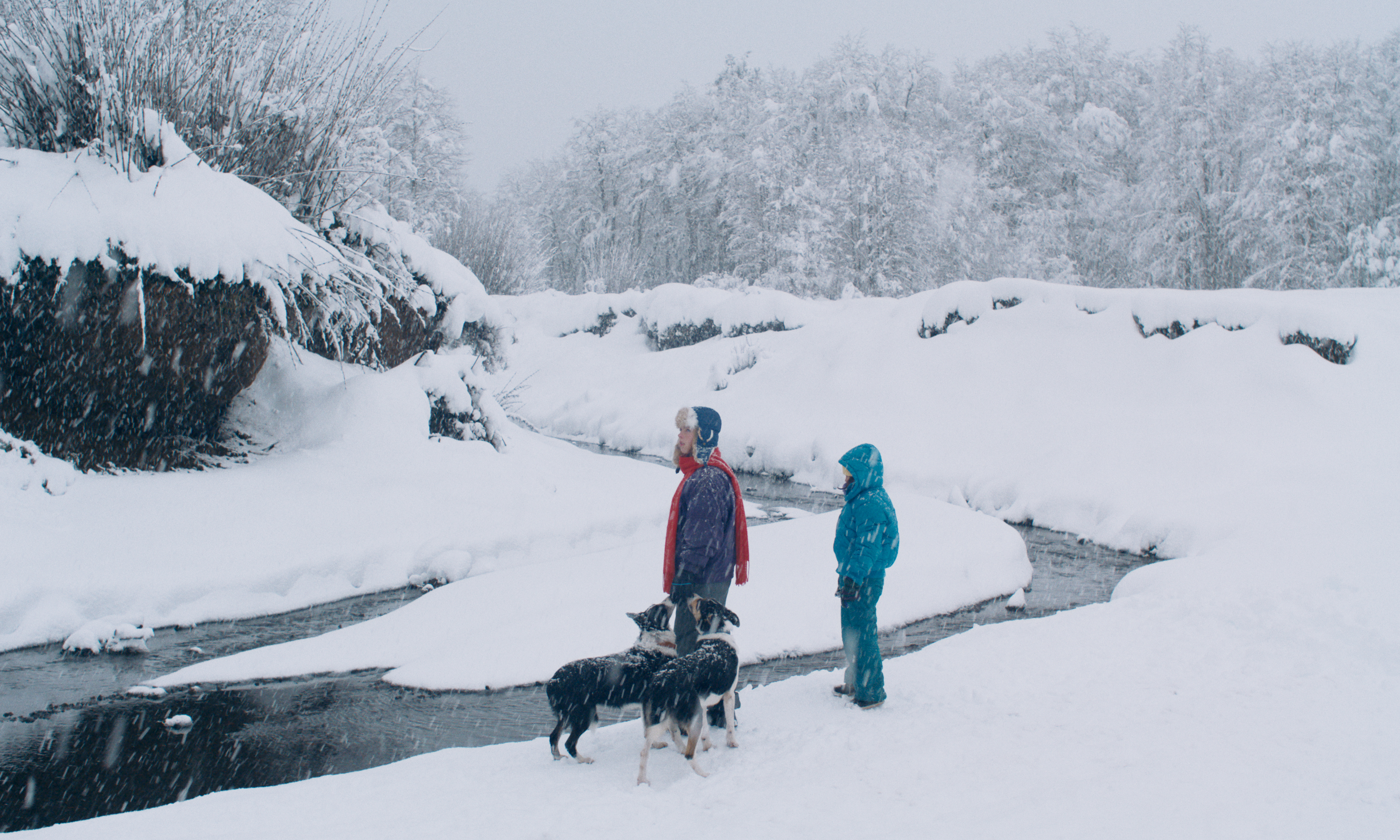
Bendita Film Sales has picked up international rights to Donkey Princess, the latest feature from the Chilean filmmaking duo of Cristóbal León and Joaquín Cociña, Variety reported on 9 July 2026. The film is set to world premiere at the Locarno Film Festival, the Swiss event that runs each August on the shores of Lake Maggiore and has long served as one of the most reliable European launchpads for Latin American auteur work.
The acquisition lands at a moment when Latin American animation, long treated by global buyers as a niche, is being re-priced. Donkey Princess will arrive in Locarno carrying the name recognition of The Wolf House (La Casa Lobo), León and Cociña's stop-motion / 2D hybrid that toured Locarno, Annecy and Berlin in 2018 and 2020 and became one of the most decorated Chilean features of the last decade. The new film is being described in early sales materials as continuing the duo's signature approach: hand-built sets, layered animation, and folklore drawn from Chilean and wider Latin American oral traditions.
What Bendita is buying
Bendita Film Sales, the Buenos Aires-based outfit that has built a catalogue of Spanish- and Portuguese-language titles, is taking the film out to territories outside the producers' home base. Variety characterised the deal as a standard international-rights pickup, with Bendita controlling sales across most of the world; local distribution in Chile, where the film was produced, typically remains with the producing partners. The company has not yet disclosed launch dates or confirmed territory splits, and a full cast and crew list for Donkey Princess had not been published at the time of the announcement.
That relative opacity is typical at this stage. Films are usually sold at Locarno on the strength of a director's prior body of work, a sales reel, and a few stills; the broader package — cast, runtime, and full synopsis — tends to land closer to the festival itself. León and Cociña's catalogue, in particular, has historically sold on craft and on festival pedigree rather than on conventional star power.
Why Locarno matters for Chilean animation
Locarno's competition and out-of-competition strands have a track record of converting auteur animation into international sales that travel well past the festival circuit. For Chilean filmmakers, the festival also operates as a bridge to European public broadcasters, art-house distributors, and the museum-cinema circuit that has carried a growing share of Latin American animated features in recent years. The Wolf House itself moved through that pipeline — festival prizes, theatrical runs in France and Germany, and a long tail on streaming platforms — and its commercial trajectory set a baseline against which Donkey Princess will be measured.
The pairing with Bendita also signals continuity in how small national cinemas plug into the global festival economy. Argentine and Chilean sales companies have, over the past decade, become the de facto international launch partners for much of the region's auteur and genre work, smoothing access to markets that would otherwise require a producer to travel with a feature for eighteen months.
A counter-read: who this deal leaves out
The shape of the announcement is, in some respects, as telling as its content. Variety's exclusive is built around a sales deal, not around a finished film. There is no review, no trailer, no festival-screening schedule beyond the premiere slot. That ordering — commercial infrastructure first, critical response second — is the standard industry cadence, but it can also flatten how readers encounter non-Hollywood cinema. The story lands as a business item about a sales agent's slate, when the underlying subject is a small Chilean feature made by two directors with a deeply idiosyncratic practice.
A more complete picture of the film's reach will have to wait for the Locarno screening itself, when reviews, distributor confirmations, and audience response typically move the conversation from catalogue management to cinema. Until then, the dominant frame is the deal, and the deal is Bendita's.
Stakes and what to watch
For León and Cociña, Donkey Princess is a test of whether the audience they built with The Wolf House will follow them into a new folklore cycle. For Bendita, the film is a slate anchor in a market where Spanish-language animation is no longer a curiosity. For Locarno, the premiere is another line item in the festival's long-running effort to position itself as the European home for non-Anglophone auteur cinema.
The next concrete marker will be the Locarno programme announcement, expected in the weeks before the festival opens, followed by the first reviews out of the Swiss premiere. If the film performs as the directors' track record suggests it might, the conversation around Donkey Princess will quickly move past Bendita's sales sheet and onto questions of craft, folklore, and the small but persistent place Chilean animation has carved out on the international festival circuit.
Monexus framed this as a sales-and-festival business story with cultural stakes, rather than a pure trade item; the wire led with the Bendita deal, while the underlying interest is the directors' continuation of a singular Latin American animation practice.
Wire provenance
This editorial synthesis draws on the following public wire/social posts:
- https://en.wikipedia.org/wiki/The_Wolf_House
- https://en.wikipedia.org/wiki/Locarno_Film_Festival